
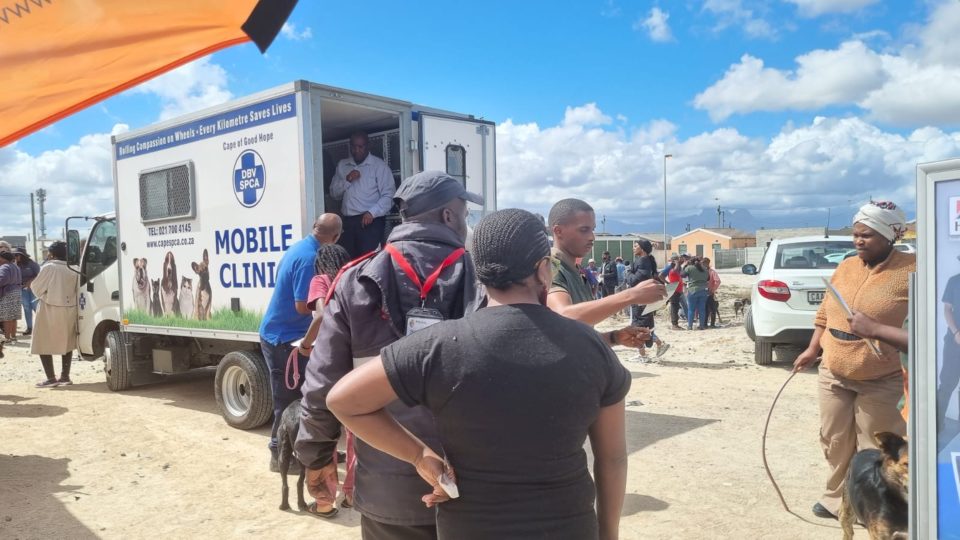
More than 19,000 dogs and cats have been sterilised through a long-running Cape Town animal welfare partnership, with another 1,500 pets set to benefit this year.
The Mass Animal Sterilisation Project (MASP), supported by the City of Cape Town and the Cape Animal Welfare Forum (CAWF), has sterilised 19,376 animals since the collaboration began in 2013.
Nearly R9 million has been invested in the programme over the past 13 years, with the initiative targeting communities identified by the animal welfare sector as requiring additional support.
This year, the programme will move into Subcouncil 11, which includes Manenberg, Hanover Park, Athlone and Heideveld.
The City has allocated R850,000 to the latest campaign, which will begin in September and aims to sterilise 1,500 domestic animals.
Seven registered animal welfare organisations will participate: the Animal Anti-Cruelty League, Animal Rescue Organisation, Animal Welfare Society of South Africa, Cape of Good Hope SPCA, Manenberg Pets, People’s Dispensary for Sick Animals (PDSA) and Vetsol.
The Cape of Good Hope SPCA spearheads the initiative on behalf of CAWF.
Sterilisation helps prevent unwanted litters while improving animal health and reducing roaming and aggression. The programme also promotes responsible pet ownership and aims to reduce animal cruelty and abuse.
Over the past 13 years, campaigns have reached communities including Dunoon, Brown’s Farm, Khayelitsha, Wesbank, Atlantis, Wallacedene, Tafelsig, the Deep South, Macassar and Eerste River.
City Mayoral Committee Member for Community Services and Health Councillor Francine Higham welcomed the programme’s continued expansion.
“I am so pleased to see the ever-growing reach of this initiative and I want to encourage residents to please participate, for the health of their pets, and the health of their communities,” Higham said.
“Sterilisation isn’t simply about reducing stray or unwanted litters; it also improves the health of pets and reduces roaming and aggression.”
The partnership also provides animal welfare organisations with an opportunity to intervene before unwanted animals arrive at shelters or become the subject of cruelty cases.
CAWF Chairperson Karen de Klerk said participating organisations were grateful for the opportunity to improve the lives of animals whose owners rely on welfare support.
“CAWF members send grateful thanks for the opportunity to create meaningful change and upliftment in the lives of animals whose owners depend on welfare support,” De Klerk said.
Cape of Good Hope SPCA CEO Mqabuko Moyo Ndukwana described sterilisation as preventative or “upstream” intervention.
“It prevents the litters that would otherwise arrive at our gates as strays, surrenders and cruelty cases, and reduces pressure on our shelter, our hospital and our downstream inspectorate work,” Ndukwana said.
“We are grateful to the City of Cape Town for continuing to invest in sterilisation. This reduces future pressure on welfare services while supporting both animal and human health.”
With another 1,500 animals targeted this year, the programme could take the total number sterilised since 2013 to more than 20,800 dogs and cats, extending a partnership that combines municipal investment with the expertise of Cape Town’s animal welfare organisations.
