
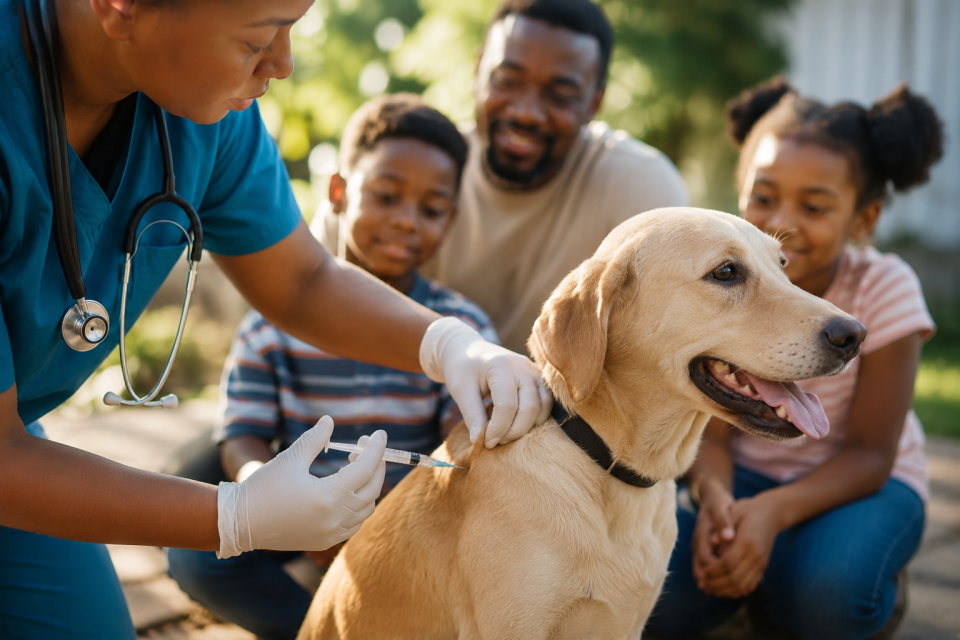
South Africa is strengthening community-based rabies prevention by promoting pet vaccination, responsible animal ownership and faster access to treatment following potential exposure to the disease.
The approach places households, veterinary professionals, healthcare workers and government within the same prevention system, recognising that protecting people from rabies begins with protecting animals.
Regular vaccination of dogs and cats remains one of the most effective interventions available. By reducing infections among domestic animals, communities can limit transmission and reduce the risk of human exposure.
Agriculture Minister Willie Aucamp said prevention depends on South Africans understanding the practical role they can play.
“Vaccinating dogs and cats, practising responsible pet ownership, reporting suspected cases and seeking prompt medical care after potential exposure are essential to preventing deaths,” Aucamp said.
This community participation is being supported through the National Rabies Advisory Group, which brings stakeholders together to strengthen awareness and coordinate measures across animal and human health.
The model is particularly important because rabies prevention crosses several systems. Veterinary services are responsible for animal health and vaccination, healthcare facilities provide post-exposure treatment, while communities are often the first to identify unusual animal behaviour or possible exposure.
Pet owners can contribute by keeping vaccinations current, preventing the movement of unvaccinated animals and reporting suspected cases to veterinarians, animal health technicians or animal welfare organisations.
Early action following exposure provides another important layer of protection.
Anyone bitten or scratched by an animal suspected of having rabies should immediately wash the affected area with soap and running water for at least 10 minutes and seek medical attention. The same applies when saliva from a potentially infected animal enters a wound or comes into contact with a mucous membrane.
Prompt post-exposure treatment can prevent the disease from developing.
The importance of strengthening these preventative measures is reflected in current surveillance data. Rabies remains present across all nine provinces, with Limpopo, KwaZulu-Natal and the Eastern Cape identified as significant hotspots.
South Africa had recorded 15 human rabies deaths by 26 August 2026, while 115 laboratory-positive animal cases were recorded between January and July.
Rather than being statistics that communities are powerless to change, the Department of Agriculture says these cases reinforce the importance of vaccination and rapid intervention.
“No one should lose their life to a disease we know how to prevent,” Aucamp said.
The department is also encouraging communities to make greater use of existing veterinary networks. State and private veterinarians, animal health technicians and animal welfare organisations can provide information and assistance with vaccination and prevention.
South Africa will mark World Rabies Day on 28 September under the theme “Stronger Together”, reflecting the collaborative approach required to eliminate the disease.
“Through responsible pet ownership and acting quickly, we are ‘Stronger Together’ in the fight against rabies,” Aucamp said.
