Small business owners from Gugulethu and Manenberg are gaining access to practical business support and potential supplier opportunities through an initiative aimed at strengthening local entrepreneurship and economic participation.
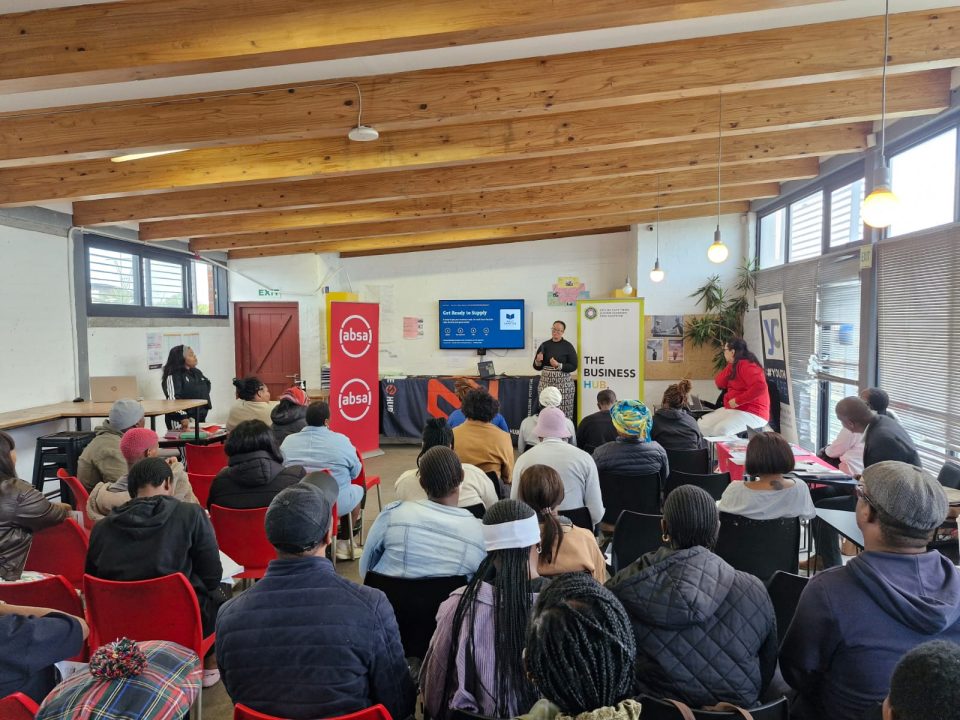
The Gugulethu/Manenberg Safe-Hub recently hosted a Business Compliance and Supplier Registration Workshop, bringing together entrepreneurs, aspiring business owners and community stakeholders to help local enterprises become better equipped to compete for business opportunities.
The workshop focused on some of the challenges that prevent small businesses from growing, including regulatory compliance, supplier registration, financial readiness and access to procurement opportunities.
Entrepreneurs from a diverse range of industries participated, including hair and beauty, catering, plumbing, carpentry, cleaning, childcare, sewing and tailoring, shoemaking, gardening and skincare.
For many small businesses, having the skills to provide a service does not automatically translate into access to commercial opportunities. Understanding compliance requirements, maintaining appropriate financial records and registering as a supplier can be important steps towards becoming eligible for contracts.
Through its Local Economic Development programme, the Safe-Hub is working to address these barriers by connecting entrepreneurs with practical information, business development resources and organisations that can support their growth.
Representatives from Absa Business Banking, Capitec Bank, Next Chapter Advisory and the City of Cape Town Business Hub participated alongside the Safe-Hub team and local business community.
Their involvement provided entrepreneurs with access to information about business banking, financial preparation, regulatory requirements and opportunities to strengthen their operations.
A key development was the introduction of the Safe-Hub’s local supplier database, designed to identify businesses, products and services available within Gugulethu and Manenberg.
The database aims to make local suppliers more visible and create opportunities for organisations and other stakeholders to identify businesses operating within the community.
By documenting the services already available locally, the initiative could help encourage procurement from neighbourhood enterprises and support the circulation of economic opportunities within the area.
The workshop also emphasised the importance of entrepreneurs taking responsibility for applying new knowledge and making use of available support.
Participants were reminded of the isiXhosa saying, “Ihashi ungalisa emlanjeni, kodwa ngeke ulinyanzele lisele,” reflecting the idea that opportunities and guidance can be provided, but individuals must take the initiative to act.
The Safe-Hub plans to continue encouraging businesses to join its supplier database while providing guidance on compliance, registration and relevant training opportunities.
Further engagement with business support organisations is also intended to help entrepreneurs identify resources and strengthen their readiness for future opportunities.
Beyond individual business development, the initiative seeks to build stronger relationships between local entrepreneurs, encouraging collaboration, shared learning and greater awareness of the products and services available within their communities.
For Gugulethu and Manenberg, supporting existing small businesses represents an opportunity to strengthen local economic activity while helping entrepreneurs become more competitive and better connected to potential customers.
The workshop reflects a community-based approach to economic development in which access to information, practical business support and stronger local networks can help create pathways towards more sustainable livelihoods.
by Jos-lene Benekema