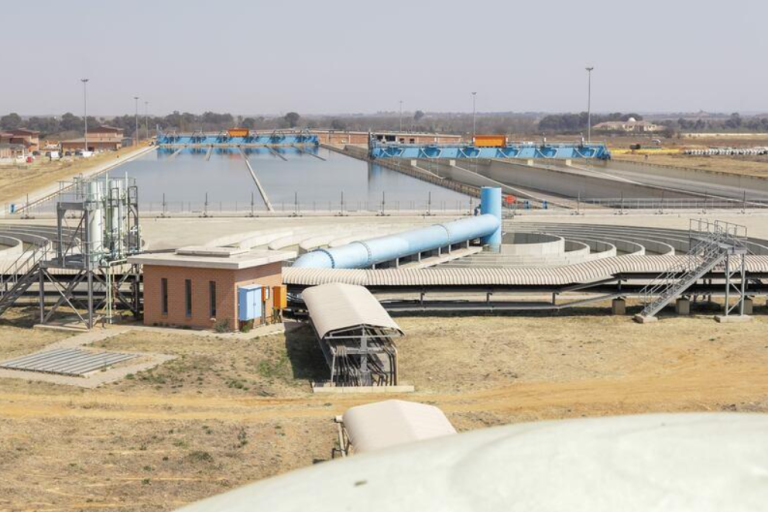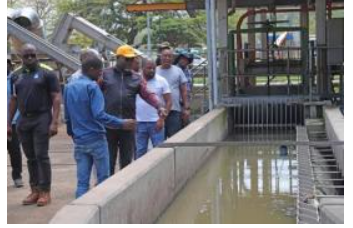
eThekwini Municipality is restoring flood-damaged sanitation infrastructure across Durban, with 239 pump stations now fully functional and about 80% of lost wastewater flows recovered.
The progress forms part of extensive repair, rehabilitation and preventative maintenance programmes aimed at strengthening the reliability of the city’s sanitation network following significant flood damage.
An update presented to the Presidential eThekwini Working Group’s Workstream 2 on Water and Sanitation on Tuesday, 18 August 2026, showed that the number of fully functional pump stations had increased from 235 in June to 239.
Work is continuing on the remaining flood-affected infrastructure while the municipality implements longer-term measures designed to reduce equipment failures, sewer overflows and future disruption.
“As part of its flood recovery programme, the municipality has implemented approximately 21 sewer rehabilitation projects, spending more than R141 million since 2023. These projects include sewer pipe replacement, construction of pipe bridges, reconstruction of manholes, river crossings, gabion protection and other infrastructure restoration works,” the municipality said.
The programme represents a significant investment in rebuilding essential public infrastructure damaged by flooding while improving the resilience of Durban’s wastewater system.
Long-term rehabilitation is also underway at several important wastewater treatment facilities and sewer infrastructure sites, including the Northern, Umbilo and uMhlanga Wastewater Treatment Works.
Alongside major rehabilitation projects, pump stations are being refurbished and preventative maintenance programmes are being implemented to improve the reliability of the sewer network.
The municipality is also continuing sanitation interventions in informal settlements and rural communities. These include sewer maintenance and cleaning, rehabilitation and upgrading of wastewater treatment works, and improvements to sanitation facilities available to residents.
The work forms part of broader efforts to restore essential municipal services while addressing infrastructure vulnerabilities exposed by previous flooding.
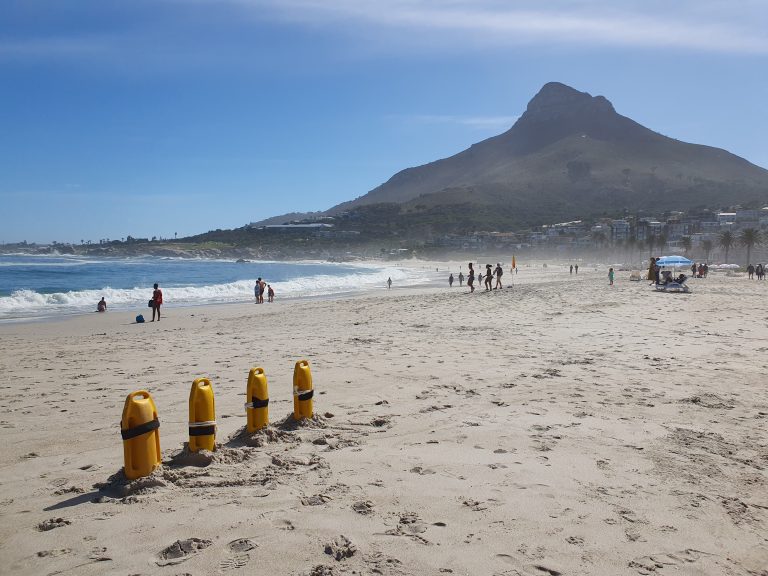
Water quality monitoring is also continuing along Durban’s coastline. According to the municipality, the majority of the city’s bathing beaches remain open and safe for swimming, with recent monitoring showing low E. coli levels at most beaches.
“The municipality continues to work with national government and other stakeholders through the Presidential eThekwini Working Group to accelerate the recovery and renewal of sanitation infrastructure, while ensuring environmental compliance and reliable services for residents,” the municipality said.
The continued rehabilitation of sewer networks, wastewater treatment facilities and pump stations is expected to support improved service reliability while strengthening the resilience of Durban’s sanitation infrastructure against future pressures.