
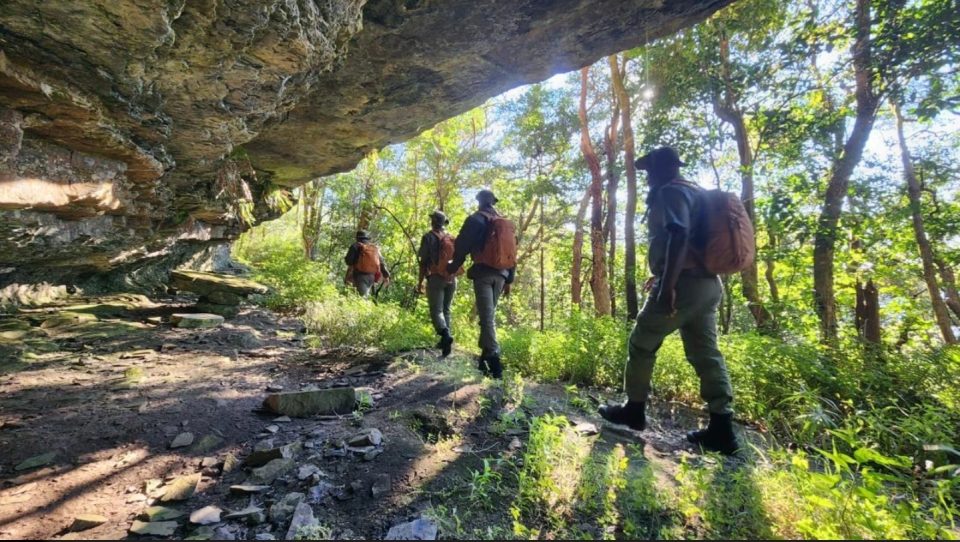
World Ranger Day recognises dedicated conservation rangers protecting wildlife, restoring ecosystems and strengthening biodiversity despite increasing environmental pressures and organised wildlife crime across South Africa.
Conservation rangers across South Africa are being celebrated today as the Endangered Wildlife Trust (EWT) marks World Ranger Day, recognising the frontline role they play in protecting wildlife, restoring ecosystems and safeguarding the country’s natural heritage.
This year’s World Ranger Day theme, A Legacy of Protection, Courage, and Service, reflects the growing challenges faced by rangers as they respond to climate change, biodiversity loss, organised wildlife crime and increasing human-wildlife conflict while continuing to protect some of the country’s most important conservation areas.
Working on the frontline of conservation, rangers perform far more than anti-poaching duties. They monitor endangered species, remove invasive alien plants, restore degraded ecosystems, maintain firebreaks, protect critical habitats, support scientific research and engage with communities to promote long-term conservation.
To strengthen wildlife protection in the Greater Kruger area of Limpopo, the EWT has appointed a dedicated Threat Reduction Ranger Unit comprising one head ranger and four rangers focused on reducing illegal wildlife activities, particularly snaring.
The team conducts regular patrols, removes snares, monitors high-risk areas using strategically placed camera traps and works with landowners and conservation partners to identify illegal activity before wildlife is harmed.
The initiative also aims to strengthen collaboration across neighbouring properties while expanding community outreach and environmental awareness programmes that address the underlying causes of wildlife crime.
The project is supported through partnerships with the Kevin Richardson Foundation, Soldiers for Wildlife, Van Niekerk Wildlife, the Scales Conservation Fund, the Phalaborwa Natural Heritage Foundation and Kendra Carano.
In the Soutpansberg, the EWT’s Restoration Rangers are restoring one of South Africa’s richest biodiversity hotspots by removing invasive alien plants that threaten indigenous ecosystems, water resources and wildlife habitats.
Working in remote and often inaccessible mountain terrain, the specialised team removes invasive species such as eucalyptus trees, which consume up to 260 litres of water each day, allowing indigenous vegetation to recover while improving streamflow, habitat connectivity and resilience to climate change.
Supported through the Restoring Landscapes in South Africa (ReLISA) project, funded by Germany’s International Climate Initiative and led by the United Nations Environment Programme, the Restoration Rangers also restore wetlands, maintain roads and trails, monitor ecological recovery and provide practical conservation training and employment opportunities for young people from surrounding communities.
At the EWT’s Medike Nature Reserve, Field Rangers continue protecting the reserve’s 2,733 hectares through anti-poaching patrols, habitat management, infrastructure maintenance, species monitoring and invasive plant clearing. Their ongoing presence has contributed to a dramatic reduction in wildlife crime, with snaring incidents declining from more than 2,000 annually in 2018/19 to just 145 during the 2026/27 period, while illegal dog hunting incidents have fallen from 100 to 20.
The EWT says healthy ecosystems are essential for both people and wildlife, making the work of rangers critical to protecting biodiversity, securing water resources and ensuring future generations inherit functioning natural landscapes.
As World Ranger Day marks its 20th anniversary, the organisation is celebrating not only the bravery of rangers protecting endangered wildlife but also those restoring damaged ecosystems, recognising their contribution to creating healthier landscapes and more resilient communities across South Africa.
