The Endangered Wildlife Trust has strengthened conservation management across more than one million hectares, while establishing new nature reserves protecting an additional 15,000 hectares of South African drylands.
These achievements are highlighted in the organisation’s 2025/26 Integrated Report, which documents progress in protecting threatened species, restoring ecosystems and supporting communities across southern and East Africa.
The report demonstrates how conservation initiatives can contribute to biodiversity protection while creating employment, improving water security and supporting rural livelihoods.
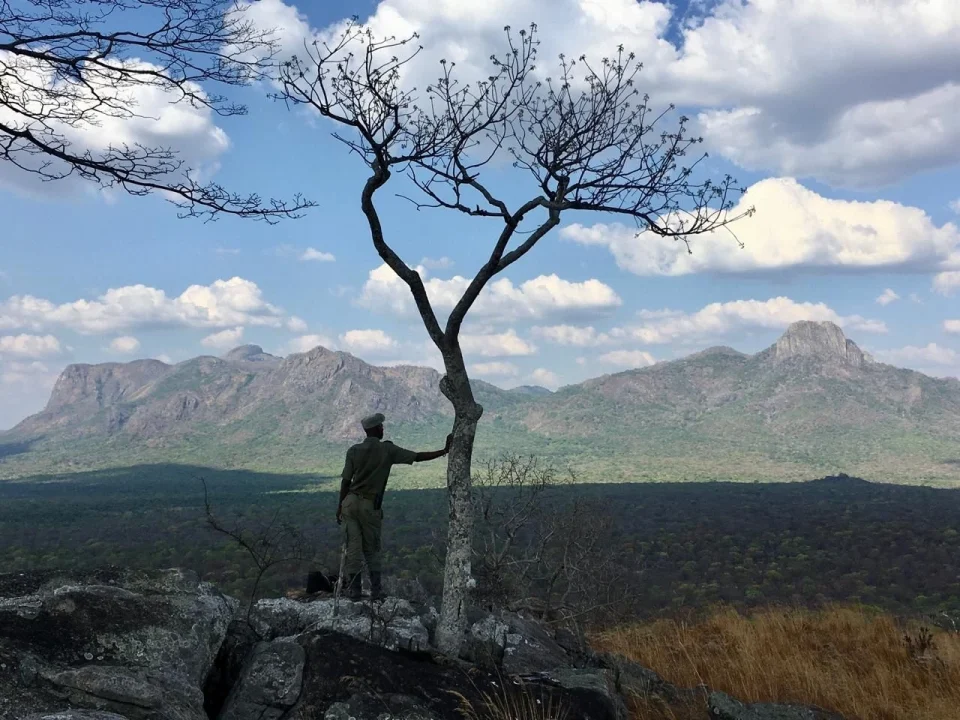
Working across nine Strategic Conservation Landscapes, the Endangered Wildlife Trust (EWT) has focused on expanding protected areas, restoring degraded habitats and reducing threats to endangered wildlife.
Beyond the newly protected 15,000 hectares, the organisation has identified another 35,000 hectares for potential conservation expansion in the Savannah Strategic Conservation Landscape and Northern Drakensberg. More than 8,000 hectares in the Eastern Cape have also been earmarked for protection.
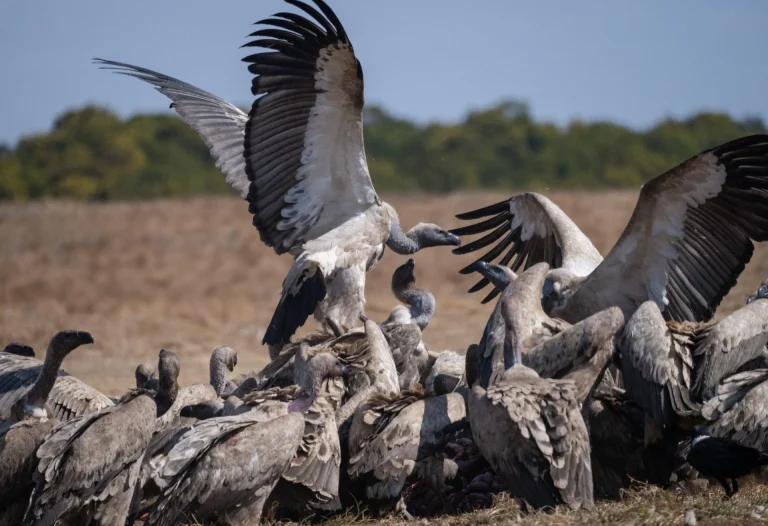
An additional 50,000 hectares were incorporated into Vulture Safe Zones in the Karoo and Kalahari, while biodiversity assessments covered 43,000 hectares in the Waterberg.
Wildlife conservation efforts have also delivered measurable results.
Through its Eye in the Sky monitoring system, which uses tracking information from vultures to identify potential threats, EWT teams detected poisoning and snaring incidents, helped prevent casualties at two sites, uncovered five poaching camps and supported the removal of 158 snares.
The organisation’s carnivore conservation specialists coordinated the movement of 43 cheetahs across 21 reserves, supported their return to uMkhuze Game Reserve and helped recover approximately 40,000 hectares of cheetah habitat.
African Wild Dog reintroductions were also supported in South Africa, Zimbabwe and Malawi.
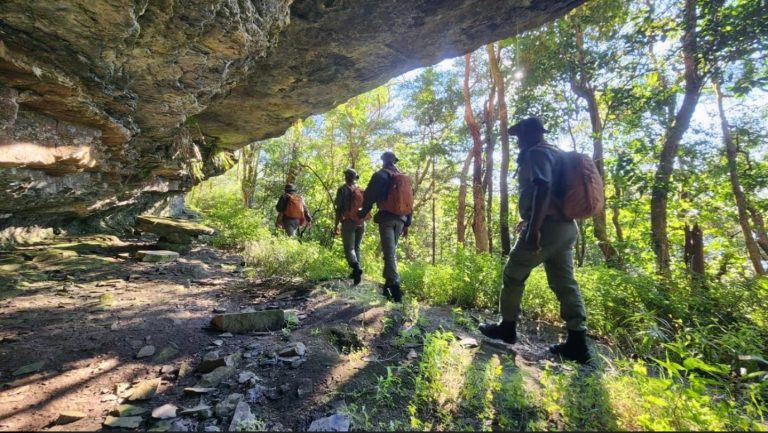
A newly established Threat Reduction Ranger Team has helped communities respond to human-wildlife conflict, reducing the risk of retaliatory killings and livestock losses.
In the Drakensberg Grasslands, conservation teams recorded 84 nests belonging to the Critically Endangered Wattled Crane, monitored 75 using drones and ringed eight chicks, the highest number in almost a decade.
The programme also cleared and began rehabilitating 620 hectares of grassland, wetlands and riverine habitat in the upper Vaal River catchment.
Importantly, this environmental restoration created employment and skills development opportunities for 32 previously unemployed local residents.
Working alongside community partners, EWT protected three natural springs and installed water infrastructure serving 140 households, benefiting 1,162 people.
These interventions demonstrate the connection between ecosystem restoration and the everyday needs of communities that depend on healthy natural resources.
The organisation’s work has also extended into climate finance.
A grassland carbon project developed with the International Crane Foundation, covering approximately 90,000 hectares, issued carbon credits representing 805,971 tonnes of carbon dioxide sequestered.
The initiative generated almost US$1 million for participating landowners and project implementers, demonstrating how conservation finance can provide economic incentives for maintaining healthy ecosystems.
EWT’s Restoring Landscapes in South Africa programme also assessed another 585,000 hectares for potential soil carbon initiatives.
Scientific research remains central to the organisation’s conservation strategy.
During the reporting period, EWT staff produced 343 research outputs to support conservation planning and decision-making.
These included completing assessments of all 332 mammal species covered by the revised Mammal Red List of South Africa, Lesotho and Eswatini.
The organisation also contributed to the development of spatial planning tools designed to help decision-makers balance infrastructure development, renewable energy expansion and biodiversity protection.
The findings reinforce the importance of recognising conservation as both an environmental responsibility and an investment in economic resilience.
Agriculture, tourism, food production and water security depend on functioning ecosystems, while conservation initiatives increasingly provide opportunities for employment, skills development and sustainable income.
Through partnerships with communities, businesses and government, EWT is working to ensure that protecting threatened species also delivers practical benefits for people living alongside wildlife.
The full <Link url=”https://ewt.org/wp-content/uploads/2026/11/EWT_INTEGRATED_REPORT_2025-2026_final.pdf“>2025/26 Endangered Wildlife Trust Integrated Report</Link> provides further details of the organisation’s conservation achievements and strategic priorities.