Vulture conservation across Southern Africa is gaining greater regional coordination through a new alliance connecting safe landscapes across six countries and more than two million hectares.
The Vulture Safe Zone Alliance (VSZA) brings together nine conservation organisations to strengthen the creation and management of Vulture Safe Zones across the region.
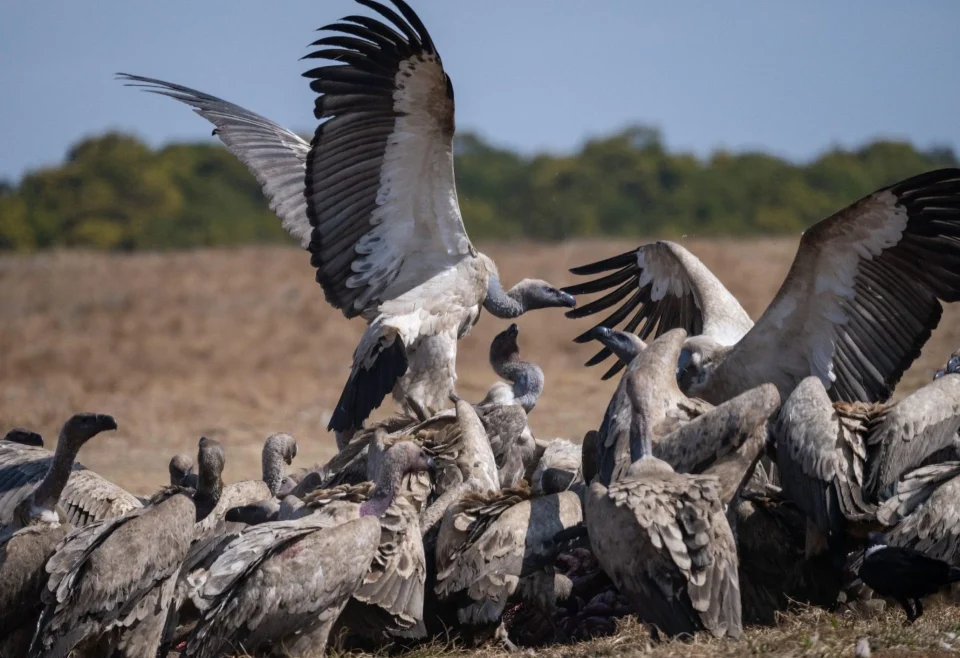
The initiative recognises that vultures routinely travel hundreds of kilometres in search of food and cross international borders, making conservation efforts more effective when neighbouring countries and organisations work together.
Vulture Safe Zones are landscapes where landowners, communities, conservation organisations, government agencies and other stakeholders collaborate to identify and reduce threats to vultures.
Importantly, these areas are not limited to national parks and other formally protected areas. They can include communal land, private properties, conservancies, agricultural areas and other managed landscapes used by vultures for feeding, breeding and movement.
Vulture Safe Zones currently cover more than two million hectares across Southern Africa, providing a growing network of landscapes where practical conservation measures can be implemented.
The alliance includes BirdLife International and its partners BirdLife Botswana, BirdLife South Africa, BirdWatch Zambia, BirdLife Zimbabwe, Nature Tanzania and the Wildlife and Environmental Society of Malawi, together with Raptors Botswana and the Endangered Wildlife Trust (EWT).
Alongside the alliance, the organisations have launched new Vulture Safe Zone Guidelines, creating a common framework for identifying, establishing and monitoring safe areas.
The guidelines are intended to help conservation partners and other stakeholders reduce threats, improve awareness and implement measures that allow vultures to move, feed and breed more safely across Southern Africa.
Vultures perform an important environmental service by consuming animal carcasses, helping maintain healthy ecosystems and reducing the risks associated with decaying remains.
Their populations, however, have declined dramatically. African vulture populations have fallen by an estimated 80% to 97% over the past five decades, while six of Africa’s 11 vulture species are now classified as Endangered or Critically Endangered on the IUCN Red List.
Threats include intentional and accidental poisoning, belief-based use, human-wildlife conflict, collisions and electrocutions involving infrastructure such as powerlines, and habitat loss.
Danielle du Toit, Field Officer: Birds of Prey at the Endangered Wildlife Trust, said Vulture Safe Zones complement other conservation interventions by extending protection into the wider landscapes vultures use.
“Vultures do not distinguish between protected or unprotected land, and neither should our conservation efforts,” she said.
Du Toit said collaboration with land users would be critical to creating sustainable conservation outcomes for the species.
Lovelater Sebele, Senior Vulture Conservation Officer-Southern Africa at BirdLife International, said the cross-border nature of vulture movement makes regional cooperation essential.
“Vultures do not recognise borders, and neither should our conservation efforts,” Sebele said.
She added that connecting local action, sharing knowledge and developing common approaches could create safer landscapes while strengthening the region’s collective response to threats.
Raptors Botswana’s Director of Grants and Strategic Engagements, Moses Selebatso, said Botswana’s position within the SADC region demonstrated why conservation could not depend exclusively on formally protected areas.
Botswana is home to five vulture species, but Selebatso said establishing safe zones outside protected areas, supported by regular education and awareness programmes, would be instrumental in protecting vultures across the region.
By connecting conservation organisations, communities, governments and land users across national boundaries, the alliance aims to turn individual safe areas into a broader regional network.
The approach provides a practical model for protecting species whose movements do not follow national borders — creating connected landscapes where Southern Africa’s vultures have a greater opportunity to survive and recover.
RELATED STORIES

Partnerships Strengthen Vulture Conservation Efforts
September 6, 2026
Cheetahs Return to Zambia’s Luangwa
July 6, 2026
Ford Wildlife Foundation Marks 30 Years
April 27, 2026
Seabird Protection Gets National Boost
August 19, 2026
DFFE Champions Sustainable Rangeland Restoration
June 17, 2026