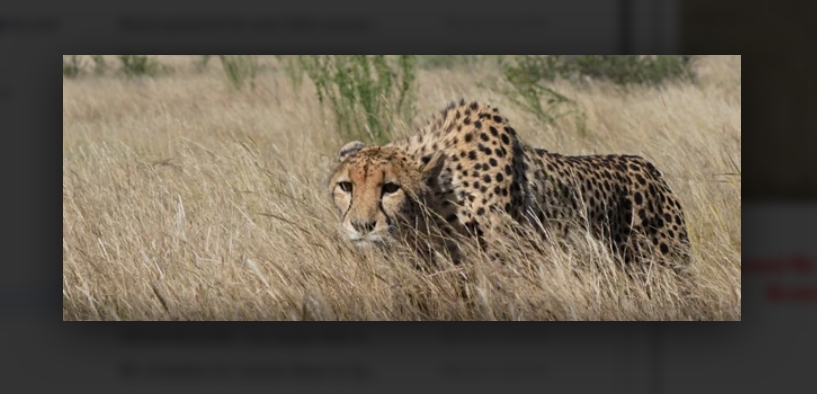
After nearly three decades of absence, cheetahs are set to return to Zambia’s Greater Luangwa Ecosystem through an ambitious, science-led conservation and community programme.
The reintroduction represents a significant step in efforts to restore one of Africa’s most threatened large carnivores to landscapes where the species once lived and thrived.
An initial six cheetahs from South Africa are planned for translocation to the Greater Luangwa Ecosystem, with another six expected to follow within the first year of the programme.
The animals will come from South Africa’s managed cheetah metapopulation and form the foundation of what conservationists hope will become a self-sustaining population in Zambia.
The initiative is being led by Zambia’s Department of National Parks and Wildlife in collaboration with the Endangered Wildlife Trust, African Range Wide Cheetah Conservation Initiative and Zoological Society of London, North Luangwa Conservation Programme and Frankfurt Zoological Society, Zambian Carnivore Programme and Conservation South Luangwa.
Funding for the initiative is being provided by the Howard G. Buffett Foundation, while the Endangered Wildlife Trust is also supported by the Ford Wildlife Foundation.
The project comes at a critical time for cheetah conservation. Fewer than 6,500 cheetahs remain globally, while the species has disappeared from more than 90% of its historical range.
Once widespread across Africa and parts of Asia, cheetahs are now largely confined to fragmented populations. Their survival increasingly depends on access to large, connected landscapes where populations can move, breed and maintain genetic diversity.
The Greater Luangwa Ecosystem has been identified as one of the landscapes capable of supporting long-term cheetah recovery.
The ecosystem includes North and South Luangwa National Parks, surrounding Game Management Areas and important wildlife corridors. Its habitat, prey base and existing conservation management structures make it a priority area for the species’ restoration.
The landscape was identified for cheetah recovery in Zambia’s 2019 National Cheetah and African Wild Dog Conservation Action Plan.
Although the first animals are only now being prepared for reintroduction, the project has been almost a decade in the making.
Planning has included feasibility assessments, habitat and prey evaluations, disease risk analyses and strengthened law enforcement measures to create conditions in which a founder population has a realistic chance of surviving.
Community participation has also been central to the planning process, particularly in the Munyamadzi Game Management Area.
Conservation partners recognise that restoring a large carnivore cannot succeed without addressing the needs and concerns of people living alongside wildlife.
The programme therefore includes livelihood support and measures aimed at reducing human-wildlife conflict. The intention is to ensure that the return of cheetahs is linked to tangible benefits for surrounding communities and stronger coexistence between people and wildlife.
A dedicated Reintroduction Committee was convened in early 2025, bringing together scientists, veterinarians, conservation practitioners and government representatives.
The committee has developed a comprehensive reintroduction plan endorsed by the International Union for Conservation of Nature.
Under the programme, the cheetahs will not simply be released immediately into the ecosystem.
They will first undergo a period of acclimatisation in soft-release enclosures before being gradually released into the wider landscape. Their movements and adaptation will then be tracked through satellite monitoring, with specialists providing ongoing oversight.
The phased approach will allow conservation teams to respond to challenges and adapt management strategies as the animals establish themselves in their new environment.
If successful, the project could support the return of cheetahs to more than seven million hectares of viable habitat where the species historically occurred.
More importantly, the programme could demonstrate how science, long-term planning, government leadership, conservation partnerships and community participation can work together to restore threatened species at landscape scale.
The return of cheetahs to Greater Luangwa will not be measured only by the arrival of the first animals. Its success will depend on whether the founder population can survive, reproduce and eventually become a permanent part of the ecosystem once again.
After almost 30 years without cheetahs, the initiative offers the possibility of restoring an important predator to one of southern Africa’s great wilderness landscapes.
RELATED STORIES
Vulture Alliance Expands Safe Landscapes
September 8, 2026
Ford Wildlife Foundation Marks 30 Years
April 27, 2026
Why small nature reserves are playing a big role in conservation this Earth Day
April 24, 2026
Community Climate Solutions Gain BRICS Support
August 19, 2026
Nqadu Kingdom Secures Green Partnership
July 21, 2026