
South Africa is strengthening its pipeline of scientists and innovators by connecting opportunities from school through postgraduate research, while expanding skills development and international scientific cooperation.
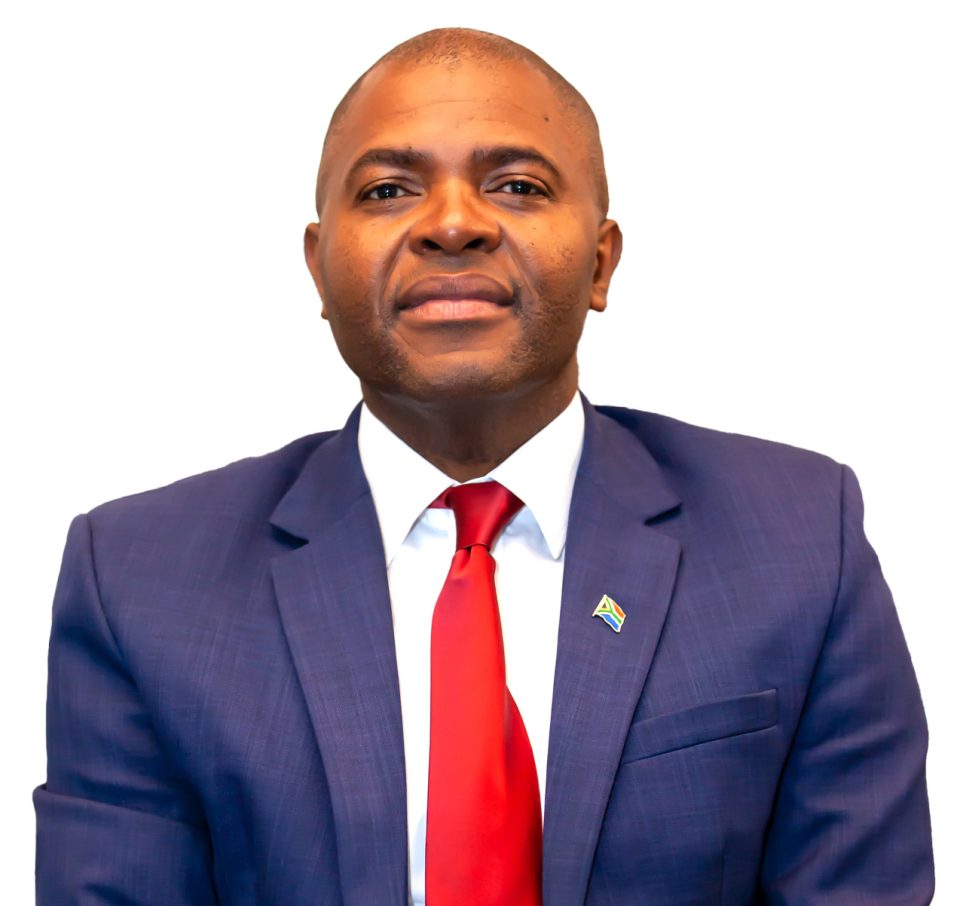
Department of Science, Technology and Innovation Director-General Dr Mlungisi Cele outlined the approach during the Science and Technology Policy Thematic Forum in Shanghai, China.
“While our system is relatively strong, given its size, there is an opportunity to strengthen our talent pipeline,” Cele said.
Central to the strategy is developing scientific talent long before young people reach university.
Government support includes initiatives such as the National Science Olympiad and science projects that give school learners opportunities to develop and demonstrate their abilities.
Cele said greater attention was needed across the education pipeline, “from early childhood to high school”, creating stronger foundations for learners who may eventually pursue careers in science, technology, research and innovation.
At tertiary level, government is investing in scholarships, postgraduate development and opportunities for students and early-career researchers to gain experience in international research environments.
Investment in research capacity at public universities is another component of the strategy.
Cele highlighted the South African Research Chairs Initiative, which establishes research chairs at universities and provides sustained support for research and innovation.
Together, these interventions are intended to create a more connected pathway from early exposure to science through university and postgraduate study and ultimately into research and innovation careers.
Future skills are becoming increasingly important as technologies reshape both research and employment.
“We also support the development of skills for the future of work, as well as foundational research capabilities,” Cele said.
Artificial intelligence and quantum computing were among the technologies identified as areas that could become increasingly significant to South Africa’s scientific capabilities and digital economy.
International partnerships are also being used to create opportunities for emerging scientists and strengthen domestic research capacity.
The Young Scientists Programme, joint research centres and collaborative research initiatives are among the mechanisms supporting scientific cooperation.
Cele pointed to China-Africa cooperation and bilateral government agreements as additional opportunities for developing scientific talent and sharing expertise.
The approach reflects an ambition to ensure investment in science ultimately contributes to broader economic and social development.
By connecting school-level science opportunities with university research, postgraduate development, emerging technology skills and international collaboration, South Africa is seeking to expand the pool of people capable of driving future innovation.
“We will continue strengthening scientific excellence, drawing on our national strengths, while also leveraging collaboration strategies with partners such as China and Shanghai,” Cele said.
The longer-term objective is an expanded scientific talent pipeline, stronger national research capacity and a more inclusive economy in which innovation contributes to solving social challenges and creating new economic opportunities.
