
Richfield is strengthening its technology education strategy as artificial intelligence, cybersecurity and data reshape work, with new academic leadership driving industry-aligned digital skills development across Africa.
The institution’s latest move reflects a wider challenge facing higher education: preparing graduates for a technology landscape changing faster than traditional curricula can often accommodate.
Artificial intelligence, cybersecurity, data governance, digital infrastructure and emerging technologies are increasingly shaping how organisations operate, how governments deliver services and how businesses compete.
Richfield Graduate Institute of Technology says its response is to strengthen the connection between academic learning, practical exposure, research and industry engagement, while ensuring students develop skills that remain relevant beyond the classroom.
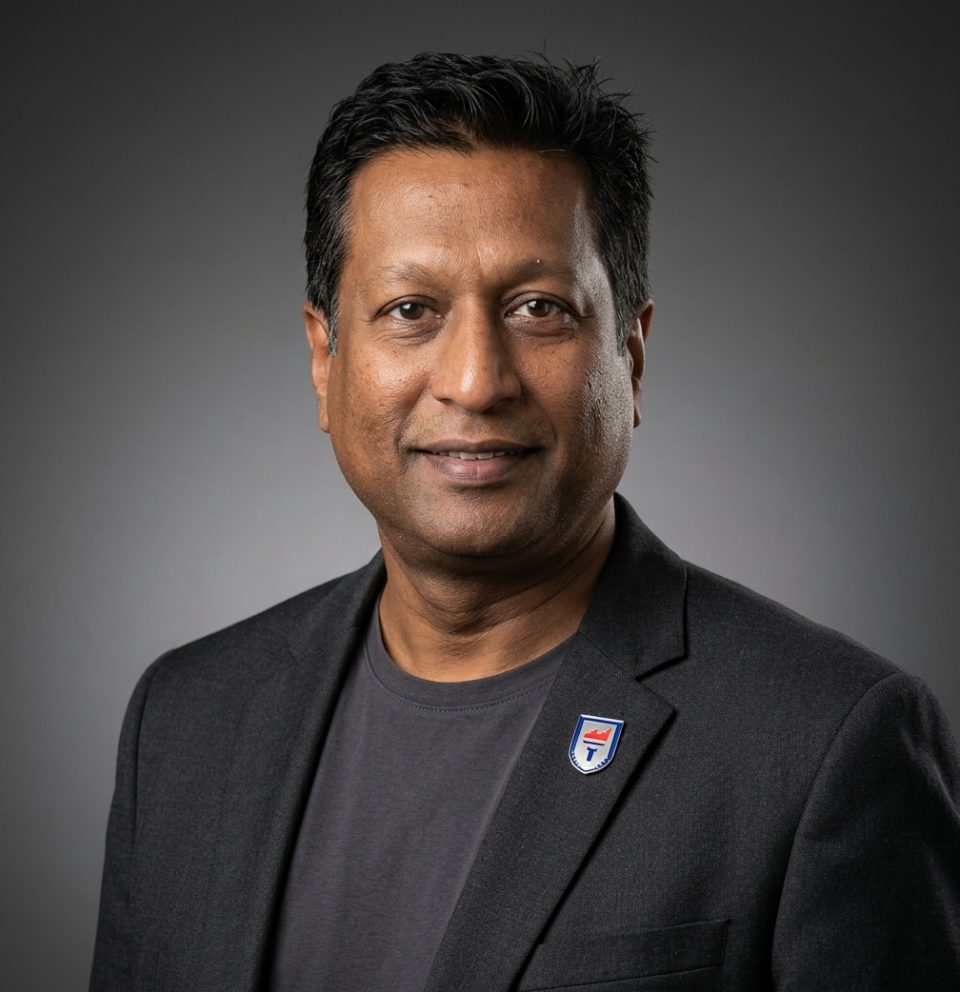
That strategy has been reinforced through the appointment of Dr Kiru Pillay as Dean of the Faculty of Information Technology, effective from 1 October 2026.
Rather than representing a leadership change in isolation, the appointment places an experienced technology, policy and academic practitioner at the centre of Richfield’s efforts to expand its technology education offering.
Dr Pillay brings more than 38 years of experience across industry, academia, research and the public sector, with expertise spanning digital transformation, cybersecurity, data governance and emerging technologies.
His background also brings a public-policy dimension to the faculty at a time when technology education increasingly extends beyond coding and technical capability.
Issues including AI ethics, data sovereignty, cybersecurity governance, cross-border data exchange and digital public infrastructure are becoming central to how countries and organisations navigate digital transformation.
Dr Pillay spent 10 years with the Department of Communications and Digital Technologies, where he contributed to South Africa’s national cybersecurity mandate through the national Computer Security Incident Response Team.
He has also participated in multistakeholder engagements involving the United Nations, African Union and Southern African Development Community, giving him exposure to the broader policy and development questions surrounding Africa’s digital future.
For students, that combination of academic, industry and policy experience could strengthen the connection between what is taught in the classroom and the technology challenges organisations are dealing with in practice.
“My focus will be on developing a faculty that combines strong academic foundations with practical exposure, meaningful research, and opportunities for students to engage with the technologies shaping their professions,” Dr Pillay said.
He added that collaboration between academics, students and industry partners would be important in building on Richfield’s existing strengths.
The focus comes at a time when employers are increasingly looking for graduates who can operate across disciplines rather than within narrowly defined technical roles.
Cybersecurity specialists, for example, require an understanding not only of systems and infrastructure but also governance, regulation, risk and organisational behaviour.
Artificial intelligence similarly raises questions extending beyond technical development into ethics, data management, business transformation and responsible implementation.
Richfield is therefore placing greater emphasis on programmes and learning environments that connect technical competence with the realities graduates will encounter in the workplace.
Shireen Chengadu, Group Chief Academic Officer of Growth-Ten, said Dr Pillay’s experience across business, government and wider society would strengthen that approach.
“Dr Pillay brings a valuable combination of academic, policy, and ICT experience,” Chengadu said.
“His leadership will support Richfield as we continue to develop programmes and learning environments that prepare students for the opportunities and demands of a changing technology landscape.”
Dr Pillay is already familiar with the institution, having lectured and supervised students in Richfield’s MBA programme since its inaugural cohort in 2021.
That existing relationship means his new role builds on several years of engagement with students and the institution rather than beginning from a standing start.
The broader objective is to strengthen a faculty capable of responding to both South Africa’s skills needs and the continent’s expanding digital economy.
As businesses, governments and communities increasingly depend on digital systems, Africa will require professionals who understand not only how technology works, but how it can be governed, secured and applied responsibly.
For Richfield, developing those graduates means ensuring technology education evolves alongside the industries, institutions and societies students will eventually serve.
