
Clearing invasive plants across Cape Town’s catchments is adding billions of litres back into the water system, strengthening resilience amid growing climate and demand pressures.
Clearing invasive plants across Cape Town’s catchments is adding billions of litres back into the water system, strengthening resilience amid growing climate and demand pressures.
Removing alien vegetation in priority catchment areas is yielding measurable results for the City’s water supply, adding back approximately 18,77 billion litres of water annually — about 51 million litres a day.
City officials say clearing invasive plants remains one of the most effective and affordable ways to protect water resources while improving dam, river and groundwater systems.
With below-average rainfall recorded during the past hydrological year, managing water efficiently has become increasingly important.
Mayoral Committee Member for Water and Sanitation, Councillor Zahid Badroodien, said restoring degraded catchments helps reduce water losses at the source and strengthens long-term system resilience.
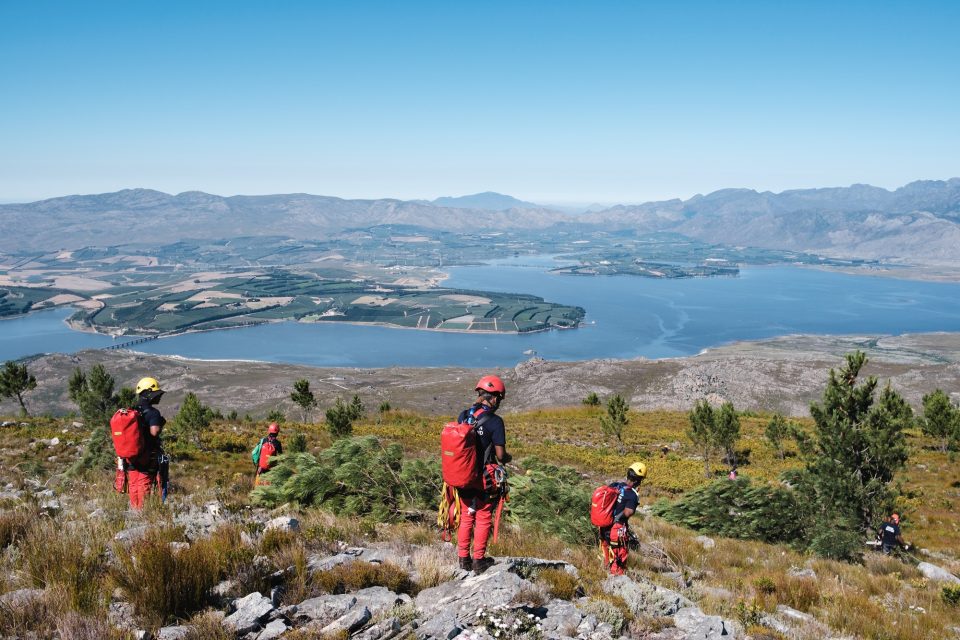
Through partnerships led by the City’s Water and Sanitation Directorate and the Greater Cape Town Water Fund (GCTWF), large areas of critical catchments have been cleared of invasive species such as pine, gum and wattle, which consume significantly more water than indigenous vegetation.
Since April 2019, 41 306 hectares of invasive plants have been cleared across priority sub-catchments supplying major dams, alongside 50 644 hectares of follow-up clearing to manage regrowth.
Officials say the intervention delivers broader environmental and socio-economic benefits while protecting both surface water and groundwater resources.
As Cape Town navigates ongoing climate variability and rising demand, clearing invasive plants complements wider investments under the New Water Programme, including groundwater abstraction and managed aquifer recharge.
Residents are also encouraged to continue using water responsibly as part of a shared effort to protect the city’s limited water resources.
