AECI’s Future Leaders Challenge has recognised Gauteng learners for providing shoes to children in need, demonstrating how youth leadership can deliver practical solutions to community challenges.
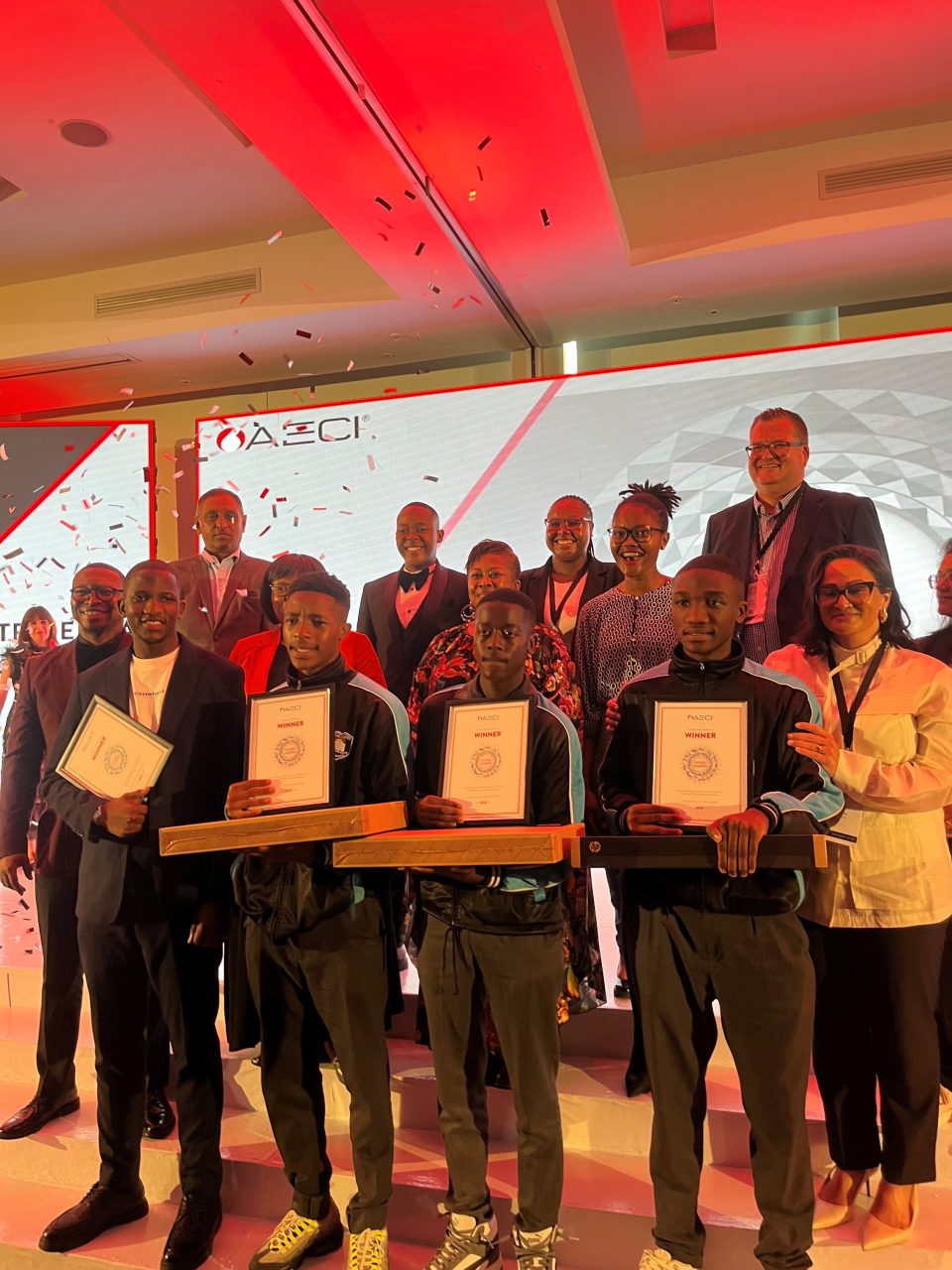
Gen Drive, a team from Mahlasedi High School in Gauteng, won the 2026 competition at an awards ceremony in Johannesburg on 30 October. The runners-up were Local Hearts from Siyabonga Secondary School in Gauteng and Water for All Thabazimbi from Mabogopedi Secondary School in Limpopo.
The winning team, comprising Denzel Tshabalala, Tumelo Dube and Sandile Phakati, encouraged other young South Africans to take responsibility for challenges in their communities.
“We as Gen Drive would like to say to the children to take responsibility for the issues in their community. It’s never too late to start. Also, they must remember that what makes a good leader is being consistent and doing things when no one is watching.”
Ten teams from nine schools across five provinces reached the finals after more than 500 team entries were submitted. Finalists participated in a Johannesburg leadership bootcamp on 28 and 29 October before the winners were announced.
AECI established the Future Leaders initiative as part of its Centenary Legacy programme, investing staff time and resources in developing young leaders in communities where the company operates and beyond.
Delivered in partnership with youth development organisation Primestars, the programme promotes servant leadership, encouraging young people to prioritise the needs of others and take responsibility for their decisions and actions.
Under the 2026 theme, “Catalyst for Change”, learners were challenged to identify a need in their schools or communities and implement projects addressing it.
“Young people need technical skills, but they also need to understand what it means to serve others. We want to develop ethical leaders who can recognise a need in their communities and take responsibility for addressing it. This programme gives learners a way to put servant leadership into practice,” said Nicole Solomon, AECI’s Head of Social Impact.
AECI’s 2025 Sustainability Report records 8,216 high school learners reached across 52 schools in 2025. The company reports reaching more than 8,000 high school learners in 2026.
The programme combines film-based education, CAPS-aligned learning materials and digital lessons with practical community projects. Learners explore leadership principles, ethical decision-making, teamwork and accountability before applying these lessons to challenges in their communities.
The finalists demonstrated how relatively simple interventions can address everyday barriers to education, wellbeing and community development.
In Limpopo, Water for All Thabazimbi introduced learner-led water patrols to identify and report leaks. In KwaZulu-Natal, Aqua Green at Meyama High School combined greywater irrigation, composting and a food garden to promote environmental sustainability.
Gauteng projects included Hoërskool Jeugland’s Turning Mindsets On initiative, which promotes positive communication and learner wellbeing. Local Hearts at Siyabonga Secondary School provided uniforms, stationery and homework support, while Second Chance School Hub at Tiisetsong Secondary School focused on helping learners remain in school.
At Solomon Mahlangu High School in the Eastern Cape, Reading Buddies and Tech Skills Base supported peer-led reading and technology tutoring. Ramoshidi Technical High School in Mpumalanga developed a project providing free study notes, guides and shared learning resources.
Two teams from Prince Silwane High School in KwaZulu-Natal reached the finals. Hope Future focused on repairing school furniture, while Building a Bright Future for Our New Generations worked towards establishing a library and study centre.
These initiatives illustrate how young people can contribute to educational access, resource conservation and social development while acquiring skills that extend beyond the classroom.
“Preparing young people for the future requires more than equipping them with academic knowledge and economic opportunities; it requires developing ethical, responsible and service-driven leaders. Future Leaders addresses a critical gap in youth development by ensuring that, alongside preparing young people for success, we are also preparing them to lead with purpose and make a positive contribution to society, starting with the communities they reside in,” said Nkosinathi Moshoana, Chief Executive Officer at Primestars.
Support for participants extends beyond the competition through partnerships with businesses, educational institutions and development organisations.
Trust Blu Foundation and Cell C contribute funding, while HONOR provides tablets and 36ONE Asset Management supplies laptops. Richfield, CHIETA and Rosebank College offer educational opportunities, bursaries or certificates.
The Department of Higher Education and Training contributes through the Mandela Sobukwe Leadership Programme, while the National Mentorship Movement provides mentorship opportunities.
Through these partnerships, AECI and Primestars aim to help participating learners continue their education, strengthen their leadership capabilities and develop projects that can create lasting benefits for their communities.
The Future Leaders Challenge demonstrates how corporate social investment can move beyond classroom-based learning by giving young people opportunities to identify problems, mobilise resources and lead practical solutions.