South Africa has called for increased international climate financing at COP31, highlighting the investment needed to protect vulnerable communities, strengthen resilience and support a just transition.
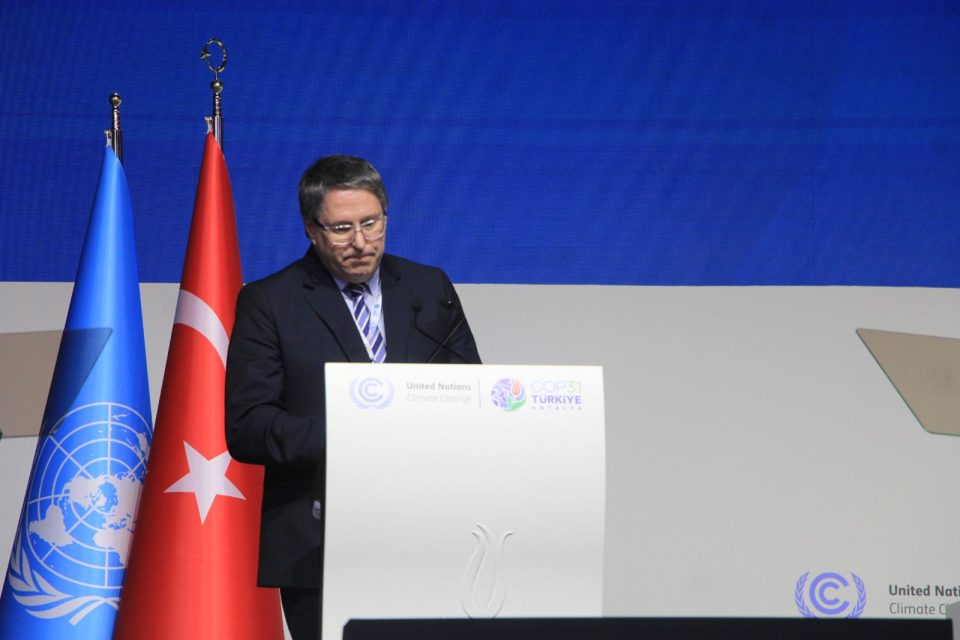
Delivering South Africa’s national statement at the United Nations Climate Change Conference (COP31) in Antalya, Türkiye, on 17 November 2026, Minister David Maynier, speaking on behalf of President Cyril Ramaphosa, outlined the country’s climate commitments and the financial support required to implement them.
South Africa estimates that it needs more than R250 billion, approximately US$15.6 billion, to fully implement its climate adaptation measures between 2026 and 2035.
The funding would support efforts to strengthen resilience across agriculture, water resources, healthcare, human settlements, infrastructure and other sectors increasingly exposed to climate-related risks.
The government called for adaptation finance to be tripled by 2035, alongside predictable contributions to international climate funds.
South Africa’s statement highlighted the growing consequences of climate change for communities already experiencing socioeconomic challenges.
Severe flooding, droughts, extreme temperatures and environmental degradation are placing additional pressure on infrastructure, livelihoods and essential services.
According to figures cited in the statement, approximately 232,000 people were displaced in South Africa between 2008 and 2024 following 70 sudden-onset disasters, including floods, storms and wildfires.
The government stressed that vulnerable communities, particularly those living in informal settlements and flood-prone areas, face disproportionate risks.
Beyond adaptation, South Africa reaffirmed its commitment to reducing greenhouse gas emissions while expanding economic opportunities through renewable energy, sustainable manufacturing and emerging technologies.
The country’s updated climate commitments include a 2035 emissions target of between 320 and 380 megatonnes of carbon dioxide equivalent, compared with its 2030 target range of 350 to 420 megatonnes.
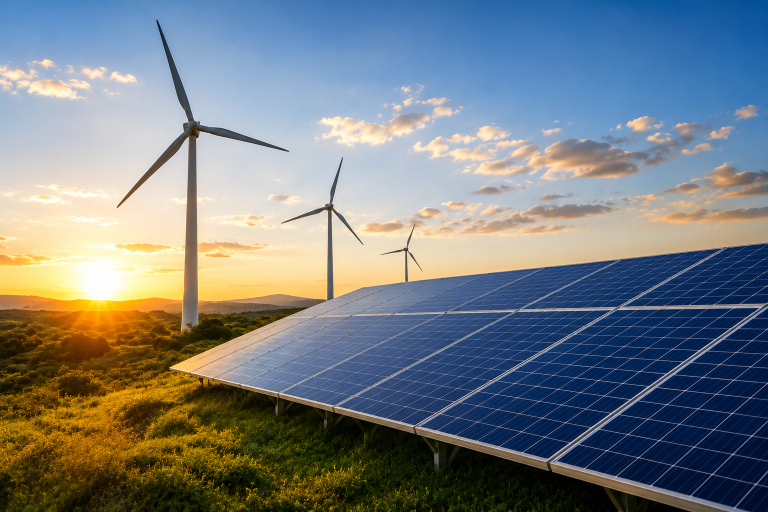
The statement also highlighted progress under the Renewable Energy Independent Power Producer Procurement Programme, which has procured 12,405 megawatts of renewable energy capacity from 126 projects since 2010.
Of this, 8,064 megawatts from 105 projects is operational.
South Africa is also pursuing a transmission expansion programme targeting approximately 14,500 kilometres of new electricity transmission lines by 2034 to accommodate additional renewable energy capacity.
However, the government emphasised that climate action must extend beyond electricity generation and emissions reductions.
Its just transition approach includes protecting workers and communities affected by the planned closure of coal-fired power stations, developing new skills, supporting economic diversification and creating employment opportunities.
South Africa called for the operationalisation of an international Just Transition Mechanism to facilitate technical assistance, knowledge-sharing, capacity-building and access to financing for developing countries.
The statement also raised concerns about climate-related trade measures introduced unilaterally by developed economies, warning that these could restrict market access and undermine industrial development in emerging economies.
South Africa urged developed countries to honour their international climate finance obligations through accessible, adequate and predictable funding.
The government maintained that meaningful climate action requires cooperation between developed and developing countries, with financing arrangements that recognise differing national circumstances and capacities.
For South Africa, the central challenge is ensuring that climate commitments translate into practical investments that protect communities, create jobs and strengthen long-term economic resilience.