
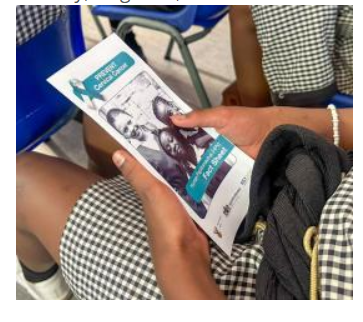
Gauteng recorded a 29% increase in cervical cancer screenings, with 198,611 women screened in 2025/26 as the province expands prevention and early detection efforts.
The Gauteng Department of Health (GDoH) announced the increase as South Africa commemorates National Women’s Day and the 70th anniversary of the historic 1956 Women’s March.
A total of 198,611 women underwent cervical cancer screening during the 2025/26 financial year, compared with 153,703 in 2024/25. This means an additional 44,908 women accessed screening that can identify changes in the cervix before they develop into cancer.
Gauteng MEC for Health and Wellness Faith Mazibuko said the improvement demonstrates what can be achieved when women have greater access to health information and preventative services.
“The women of 1956 understood that progress begins when women stand up and act. Seventy years later, we honour them by ensuring that women are empowered with information and access to services that can save their lives. Every woman who goes for screening is taking charge of her health, her future and the wellbeing of her family,” Mazibuko said.
The department attributed the increase to cervical cancer awareness drives implemented across all five Gauteng districts from the third quarter of the 2025/26 financial year.
The West Rand recorded the greatest improvement, while Ekurhuleni has been identified for further targeted interventions to increase screening uptake.
“The increase is encouraging, but our work will continue until every eligible woman understands the importance of screening and can access the service,” said Mazibuko.
Prevention and early detection
According to the World Health Organization Regional Office for Africa’s March 2024 report, cervical cancer is the leading cause of cancer-related deaths among women in sub-Saharan Africa.
The report states that 18 of the 20 countries with the highest cervical cancer burden globally are in the African Region, which accounted for 23% of global cervical cancer deaths in 2022.
Cervical cancer, however, is largely preventable through Human Papillomavirus (HPV) vaccination and regular screening and can be cured when detected early and treated promptly.
The increase in screening is being complemented by the department’s single-dose HPV vaccination campaign targeting eligible Grade 5 girls aged nine years and older.
During the 2025/26 implementation period, 72,249 Grade 5 girls were vaccinated at public schools, while another 9,740 were vaccinated at independent schools.
That means a total of 81,989 girls received HPV vaccinations during the period.
During the current 2026/27 financial year, the department will continue its awareness drives and train Ward-Based Primary Health Care Outreach Teams to provide education during household visits.
Under the department’s screening programme, HIV-negative women are screened at the ages of 30 and 50, while women living with HIV are eligible for screening from the age of 20.
Women are encouraged not to wait for symptoms before seeking screening because early changes in the cervix may not produce noticeable symptoms.
The department advises women to seek medical attention if they experience abnormal vaginal bleeding, including bleeding after sex, between periods or after menopause; unusually heavy or prolonged periods; unusual vaginal discharge; pain during sex; or lower abdominal pain.
“This Women’s Day, the department calls on women to make their health part of the continuing march towards equality and empowerment by going for cervical cancer screening and encouraging other women to do the same,” the department said.
Parents and caregivers are also being encouraged to promptly sign and return HPV vaccination consent forms to schools so eligible girls do not miss the opportunity to receive protection against cervical cancer.
