
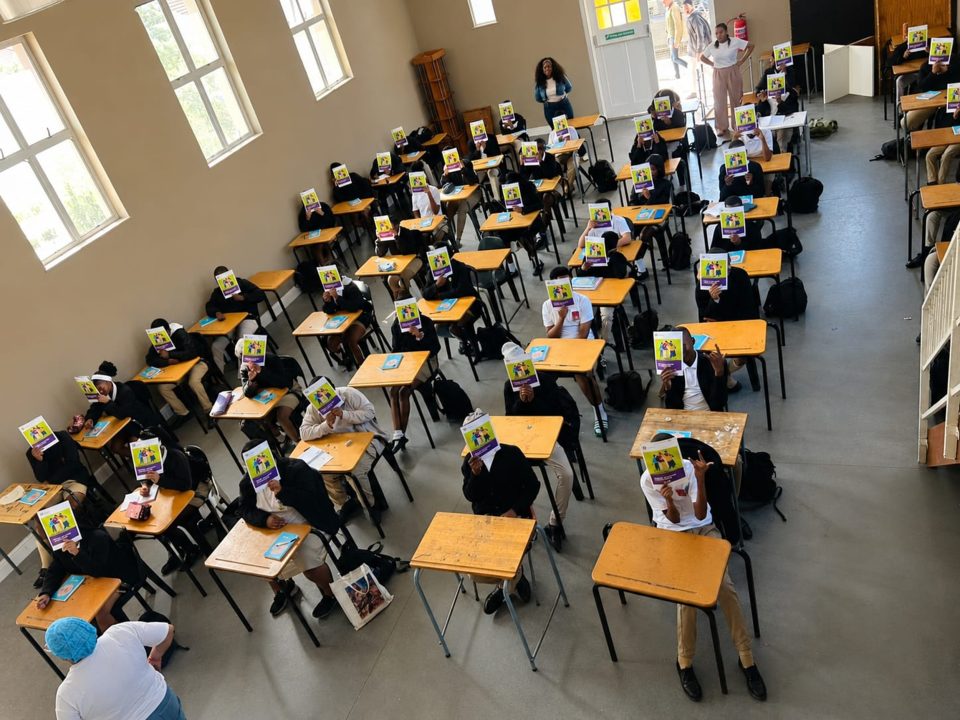
More than 5 000 learners have participated in the City of Cape Town’s substance abuse prevention programmes, exceeding targets as demand for youth interventions continues growing.
In just nine months, the City’s Community, Arts and Culture Development substance use prevention programme reached 5 193 learners across the metro, significantly surpassing its original target of 3 500 participants.
According to the City’s Mayoral Committee Member for Community Services and Health, Francine Higham, the increased demand reflects both the value of prevention programmes and the growing impact of substance abuse within communities.
“We cannot ignore the direct link between substance abuse and the violence and crime that plague many of our communities. These programmes do more than educate young people about the dangers of substance use – they also address bullying, peer pressure, self-worth and making good decisions,” Higham said.
She added that many schools requested the programmes be extended to reach additional learners, contributing to the higher participation numbers.
The City’s key prevention initiatives include Driving My Future, Essentially Me and its Family Strengthening Programmes, which equip young people and families with practical skills to prevent substance abuse and strengthen resilience.
Last year, the Family Strengthening Programme was expanded with the introduction of the Sinovuyo Teens initiative, a nine-week intervention designed for caregivers and teenagers aged 10 to 17.
The programme promotes positive parenting strategies, strengthens family communication, develops coping and problem-solving skills, encourages non-violent discipline and creates supportive home environments.
This year’s International Day against Drug Abuse and Illicit Trafficking, observed on 26 June, focuses on prevention, compassionate support and evidence-based treatment while encouraging alternatives to punishment for people affected by substance use.
Prevention remains one of four strategic pillars of the City of Cape Town’s Alcohol and Other Drug (AOD) Strategy, alongside treatment, enforcement and coordinated action.
Treatment services are provided through City Health’s outpatient Matrix® substance abuse programme, while the Safety and Security Directorate leads enforcement initiatives. These efforts are coordinated through the City’s Alcohol and Drug Action Committee.
Higham said the City has begun reviewing its Alcohol and Other Drug Strategy to ensure it remains responsive to emerging substance abuse trends and the specific needs of Cape Town’s communities.
Residents seeking assistance can contact the City’s 24-hour Alcohol and Drug Helpline on 0800 HELP 4 U (0800 435 748) or email matrix@capetown.gov.za for information about Matrix Clinics.
