The South African Reserve Bank has launched a public museum designed to strengthen financial literacy, transparency and understanding of South Africa’s economy.
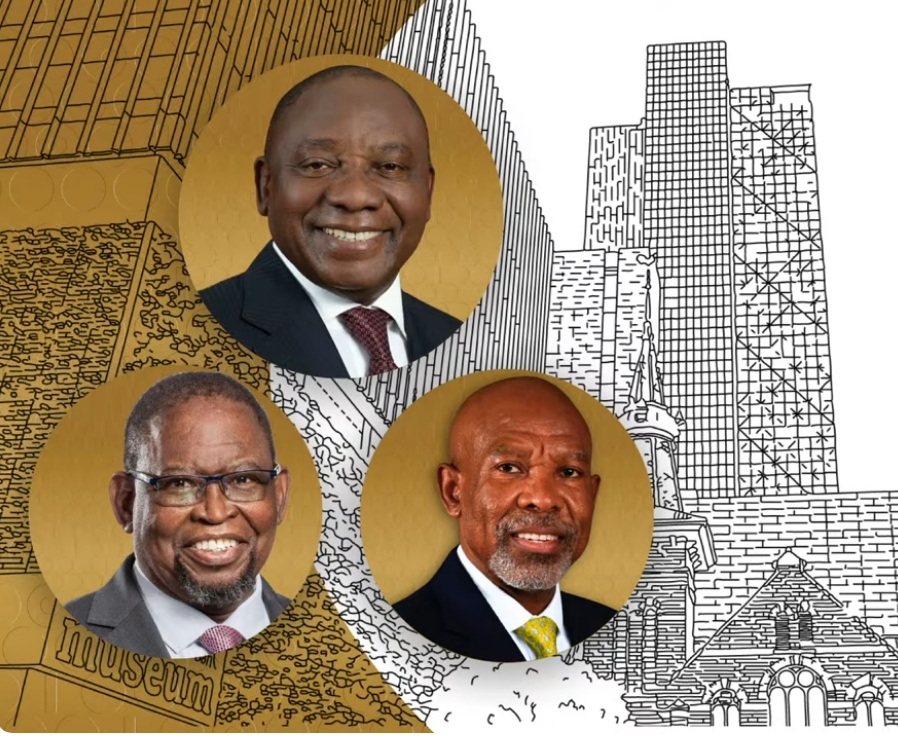
President Cyril Ramaphosa has officially launched the South African Reserve Bank (SARB) Museum at the institution’s newly renovated Head Office Campus in Pretoria, creating a new public space dedicated to economic education, financial literacy, heritage preservation and public engagement.
The museum forms part of the Reserve Bank’s commitment to transparency and accountability, providing South Africans with an opportunity to better understand the role of the central bank and the impact its work has on everyday life.
Speaking at the launch, SARB Governor Lesetja Kganyago said the museum is about far more than displaying money and financial artefacts.
“Today is about more than buildings. It is about opening our institution to the people of South Africa,” he said.
Kganyago noted that central banks are often viewed as distant institutions that many people do not fully understand. Through the museum, the Reserve Bank hopes to make its work more accessible while strengthening public trust and accountability.
The museum traces South Africa’s economic history and explores how ideas of money, value, trust and institutions have evolved over thousands of years. Visitors can explore exhibitions spanning from early barter systems and trade networks through colonialism, apartheid and democracy, while learning about the establishment of the South African Reserve Bank in 1921 and its role in a modern democratic society.
Among the museum’s most significant attractions are archaeological artefacts dating back approximately 75 000 years, a numismatic collection spanning more than 300 years and South Africa’s first minting press from 1891, which remains operational today.
However, education sits at the heart of the museum’s purpose.
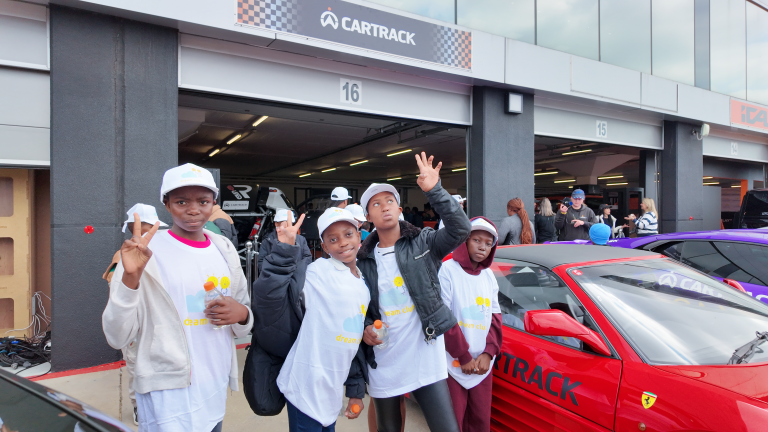
The facility will host a dedicated school outreach programme designed to improve financial and economic literacy among young South Africans. The initiative will complement the Reserve Bank’s flagship Monetary Policy Committee Schools Challenge, which encourages learners to explore economics and central banking through practical simulations and presentations.
“The museum will be a place for young people to learn about our history while also gaining practical insights into the world of economics and central banking,” said Kganyago.
The launch also coincides with Youth Month and the Reserve Bank’s broader focus on education.
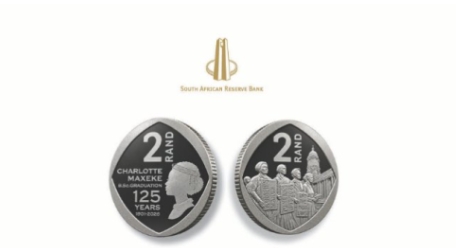
To commemorate significant milestones in South Africa’s educational journey, the SARB has released a special series of circulation coins centred on the theme of education. The first R2 commemorative coin marks 50 years since the 1976 Youth Uprising. Additional coins celebrating Charlotte Maxeke’s educational achievements and the constitutional right to education will be released later this year.
Beyond economics and history, the museum also serves as a major cultural and artistic destination.
For the first time in the institution’s history, members of the public will have access to the SARB’s extensive corporate art collection, consisting of more than 1 200 works. Rotating exhibitions will ensure that the collection remains accessible to visitors while showcasing the diversity of South African artistic expression.
Current exhibitions include ZA@WORK, which celebrates the contribution of everyday workers to the South African economy, and Her Currency: Stories of Heritage, Identity, Memory and Power, featuring works by renowned South African artists including Esther Mahlangu, Helen Sebidi and Mary Sibande.
The museum also reflects the Reserve Bank’s commitment to the revitalisation of Pretoria’s inner city.
As part of the renovation project, the SARB chose to remain in Tshwane rather than relocate to Johannesburg, reinforcing its commitment to investing in the capital city and contributing to urban renewal.
The Head Office renovation represents the first major redevelopment of the campus in more than four decades and has transformed the facility into a more public-facing institution that encourages engagement with citizens, learners, researchers and visitors.
Ultimately, the SARB Museum seeks to bridge the gap between financial institutions and the public by making economic knowledge more accessible and helping South Africans understand how monetary policy, financial stability and economic decisions influence their lives.
By combining history, education, economics and art under one roof, the museum creates a unique learning environment that celebrates South Africa’s past while preparing future generations to participate in the country’s economic future.
As the Reserve Bank approaches its 105th anniversary, the museum stands as a symbol of openness, accountability and public engagement, ensuring that the story of South Africa’s economy can be explored and understood by all.