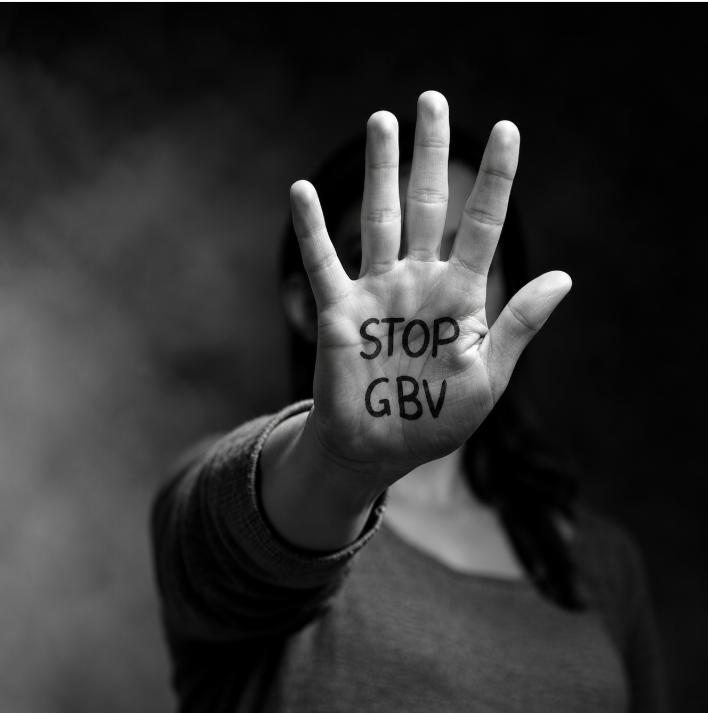
South Africa’s response to violence against women is moving back into national focus as government prepares new measures following nine deaths investigated around Ekurhuleni communities recently.
President Cyril Ramaphosa has announced that he will address the nation on steps government is taking to confront gender-based violence and provide an update on investigations into the killings of women in and around Ekurhuleni.
His announcement follows the discovery of the bodies of nine women in Ekurhuleni and surrounding areas over the past two months. Investigations into the deaths remain underway.
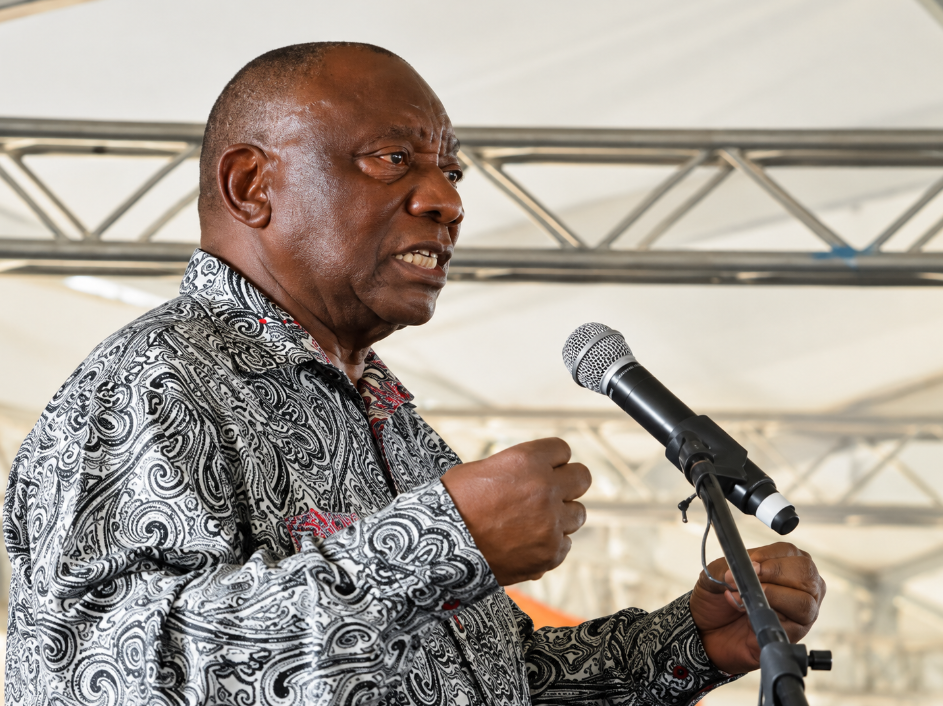
Speaking during National Heritage Day celebrations at Bongolethu Sport Stadium in Oudtshoorn, Ramaphosa placed women’s everyday safety within the wider discussion about freedom, dignity and the kind of society South Africa wants to build.
“The abuse, rape and killing of women is not our heritage. There is no culture worthy of the name that diminishes the dignity of women,” he said.
His comments focused attention on a basic measure of freedom: whether women can move through their communities without having to constantly calculate the risk of violence.
Ramaphosa said women should have the right to walk South Africa’s streets at any hour without fear, adding that freedom is experienced differently by men and women when personal safety cannot be assumed.
The Ekurhuleni killings have already prompted an intensified government response.
An expanded Operation Shanela has been introduced in the area, bringing national and municipal law-enforcement agencies together to increase visibility, address illegal liquor and drug activity and strengthen crime-prevention efforts.
Government has also linked neighbourhood maintenance to community safety through interventions including clearing overgrown spaces and illegal dumping areas that can contribute to unsafe environments.
Those interventions highlight that reducing violence against women involves more than responding after crimes have occurred.
Safer streets, functioning public spaces, effective policing, accessible support services and communities willing to report abuse all influence whether women and girls can participate freely in everyday life.
The impact extends into education, employment and economic participation.
A woman who does not feel safe travelling early in the morning or returning home after dark may face practical limitations on where she can study, work, trade or access opportunities.
Ramaphosa used the Heritage Day platform to argue that South Africa’s promise of freedom remains incomplete where those freedoms are experienced unequally.
“It is profoundly unequally lived by a man who can walk the streets without fear, and a woman who must constantly consider whether she will be safe,” he said.
Government has described the recent Ekurhuleni deaths as part of a wider challenge requiring stronger enforcement of laws protecting women and girls.
The President said violence against women should not become part of what South Africa leaves to future generations.
That places attention on what follows the upcoming national address.
Beyond policy announcements, the practical test will be whether interventions improve the ability of women to report violence, receive protection, move safely through communities and see crimes properly investigated and prosecuted.
Ramaphosa connected that challenge with other pressures affecting South African communities, including unemployment, corruption, crime and substance abuse.
“We must tackle these problems together, like our forebears did when they fought side by side until they defeated apartheid,” he said.
For the families affected by the recent Ekurhuleni deaths, the immediate priority remains justice and answers.
For the country more broadly, the challenge is larger: turning the constitutional rights to life, dignity and freedom into an everyday reality in which women do not have to organise their lives around the possibility of violence.
The President’s forthcoming address is expected to provide further detail on government’s response and the progress of investigations into the Ekurhuleni killings.
The social impact will ultimately be measured not only by additional programmes or enforcement operations, but by whether women experience a meaningful improvement in safety in their homes, streets, workplaces and communities.