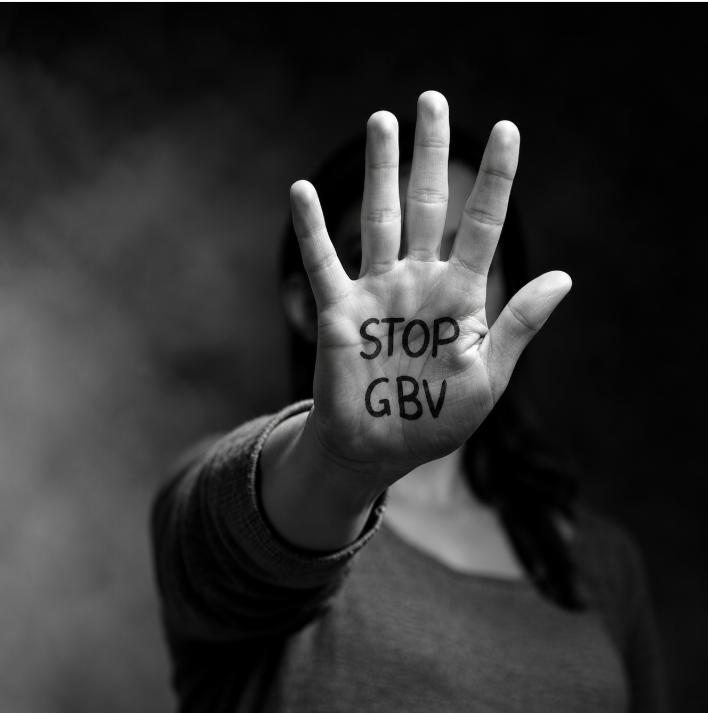
A national GBVF inquiry is placing survivor experiences at the centre of efforts to expose justice-system shortcomings and strengthen protection, accountability and access to justice nationwide.
The Commission for Gender Equality, South African Human Rights Commission and CRL Rights Commission have extended their Joint National Inquiry into how South Africa’s criminal justice system responds to gender-based violence and femicide.
The inquiry will examine what happens from the moment violence is reported through victim support, police investigation and the pre-trial stages of criminal cases.
Its first phase will put the experiences of victims and survivors directly into the process, creating an opportunity for those who have encountered the justice system to explain where they received support and where they experienced barriers.
The three Chapter 9 institutions said the process has attracted significant public participation from survivors, families, community organisations, civil society groups, researchers, legal practitioners, academics, service providers and members of the public.
Earlier in the process, the commissions extended the deadline for written submissions to 11 September after receiving what they described as an overwhelming response and requests for more time to consult affected communities and prepare supporting evidence.
That level of participation gives the inquiry an opportunity to move beyond statistics and examine how the system operates in real cases.
For survivors, the effectiveness of the criminal justice system can depend on practical issues such as whether a complaint is taken seriously, how quickly evidence is gathered, whether protection is available and whether different institutions communicate effectively.
The inquiry is grounded in Pillar 3 of South Africa’s National Strategic Plan on Gender-Based Violence and Femicide, which focuses on justice, safety and protection through stronger investigation, prosecution, survivor support, institutional accountability and coordination.
The commissions said the process is intended to identify systemic challenges and determine what changes may be required to improve the justice system’s response.
That focus comes as gender-based violence remains under intense national scrutiny.
The SAHRC renewed its call for public participation in the inquiry in September following reports of women being killed in Ekurhuleni, arguing that the country needed to examine whether institutions responsible for protecting women were responding effectively.
Government has separately introduced an emergency response following the discovery of the bodies of nine women in Ekurhuleni, with measures focused on law enforcement, protection, safety and survivor-centred support.
The inquiry is broader than those individual cases.
Its purpose is to examine patterns across the criminal justice system and identify weaknesses that could affect survivors anywhere in South Africa.
The first stage will focus on survivor testimony and lived experiences.
The second will examine pre-trial functioning and accountability, including the processes that take place before cases reach trial.
That distinction matters because delays, poor coordination or failures during the early stages of a case can affect whether a prosecution is ultimately possible.
The commissions are constitutionally mandated to protect and promote rights and can make recommendations aimed at improving accountability, equality, dignity and access to justice.
Parliament’s Portfolio Committee on Women, Youth and Persons with Disabilities welcomed the establishment of the joint inquiry in July, saying concerns had persisted about the support received by GBVF victims and survivors and the functioning of the justice system.
The social impact of the inquiry will ultimately depend on what follows the testimony and findings.
Survivors sharing their experiences can expose recurring problems, but meaningful change requires recommendations to translate into stronger procedures, better coordination and measurable accountability across institutions.
For women and families affected by violence, improvements could mean faster investigations, more effective protection, better support during cases and greater confidence that reporting abuse will lead to action.
The public hearings are scheduled to take place at Braampark Office Park in Braamfontein from 29 September to 2 October 2026.
By placing survivor experiences alongside institutional evidence, the inquiry has an opportunity to identify where the criminal justice process is working and where reforms are needed.
For South Africa, the test will be whether those findings ultimately make the justice system safer, more accessible and more responsive to the people it is intended to protect.