
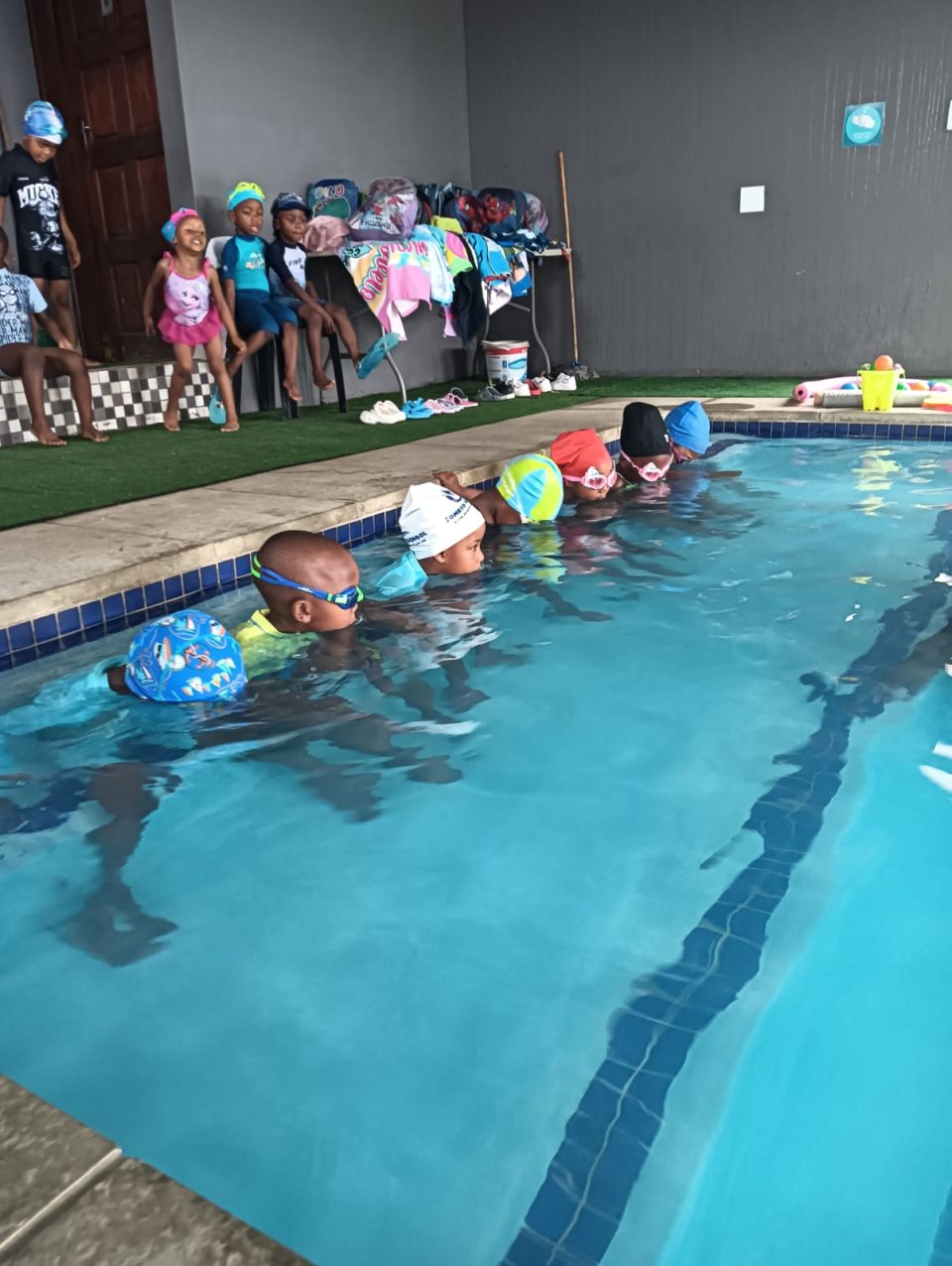
Soweto Swim School has partnered with US Paralympian Jamal Hill to expand swimming access, water safety education and youth opportunity across South African townships.
The partnership between Soweto Swim School and the Los Angeles-based Swim Up Hill Foundation aims to tackle drowning prevention while helping thousands of young South Africans gain access to structured swimming education.
Founded by Tumi and Moses Masekela, Soweto Swim School became the first privately owned swimming facility in Soweto and has spent the past five years building affordable, accessible swimming programmes for township communities.
The collaboration will support the development of two additional swimming facilities planned for 2026 and 2027, with the organisations targeting 10,000 learners across South Africa by 2027.
“This partnership goes beyond expanding access to swimming—it’s about saving lives and unlocking the full potential within our communities,” said Tumi Masekela, Co-Founder of Soweto Swim School.
“Many township children, including those on the autism spectrum, lack access to safe swimming facilities. By joining forces with Jamal Hill and the Swim Up Hill Foundation, we’re not just teaching children to swim, we’re giving them confidence, keeping them engaged in school, and creating pathways to Olympic and Paralympic dreams.”
According to the National Sea Rescue Institute (NSRI), approximately 1,477 drownings occur annually in South Africa, with many incidents believed to go unreported in township communities.
The Swim Up Hill Foundation, founded by decorated US Paralympian and LA28 athlete ambassador Jamal Hill, focuses on culturally relevant swimming education for underserved communities around the world.
“Water doesn’t discriminate, but access to swimming education often does,” said Hill.
“As we approach LA 2028, this collaboration demonstrates how the power of sport can bridge continents and create lasting change. Together, we’re not just teaching swimming, we’re building a global movement for inclusion, safety and opportunity.”
The organisations are now seeking funding and strategic partners to support the construction of new facilities and further expand swimming access across Africa.
Beyond sport, the initiative is positioning swimming as a tool for social development, confidence building, school engagement and long-term opportunity for young people growing up in underserved communities.
