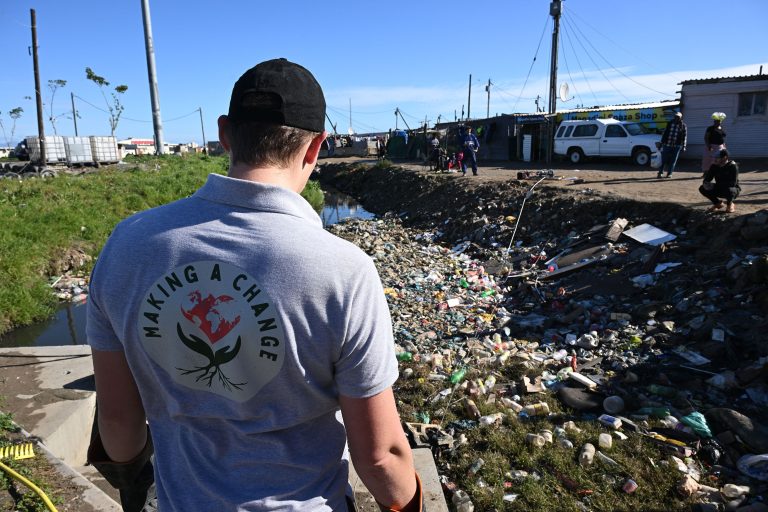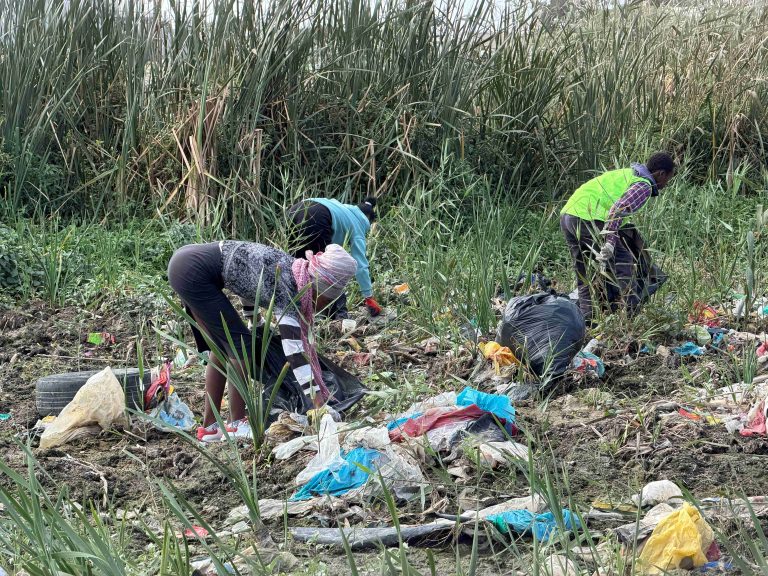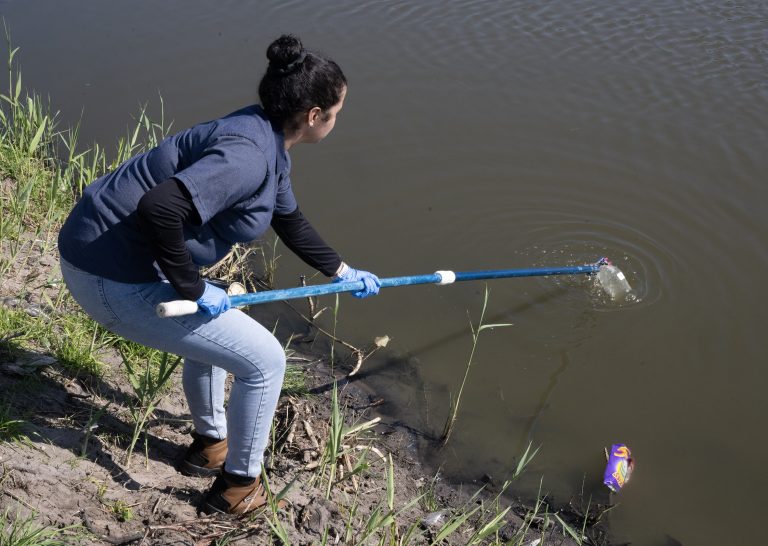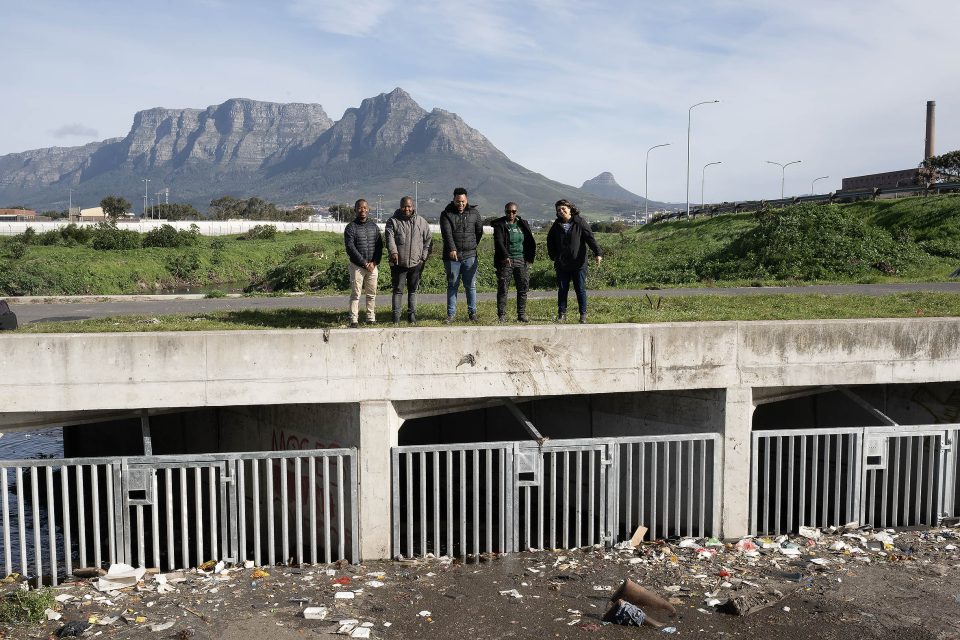
Cape Town has installed seven new waste interceptors across key waterways strengthening efforts to stop litter reaching rivers and the ocean while protecting vulnerable local ecosystems.
The City of Cape Town invested R2.5 million in the new systems during the 2025/26 financial year, bringing the total number of waste interceptors operating across the metro to 27.
The initiative aims to prevent floating litter and other debris from travelling downstream through rivers and waterways before ultimately reaching the ocean.
Each interceptor is designed according to the type and volume of waste found at its location, allowing the City to respond to different pollution challenges across communities.
The programme was launched during the 2024/25 financial year and has since become part of the City’s Mayoral Priority Programme.
The seven new installations have been placed across the eastern, southern and central regions of Cape Town.
In Strand, a new litter fence has been installed in the Soet River along Broadway Boulevard.
Two grids have been installed in the southern region, including one at Jakkalsvlei near the footbridge on Bhunga Avenue in Bridgetown and another at Bokmakierie at 3rd Avenue.
The central region has received four new systems. These include a litter fence in the Black River at the Sally Little Golf Course on the M5, two litter grids at the Langa Silt Trap and another at Milky Way Pond in Joe Slovo.
Keeping the systems operational requires regular maintenance, with the interceptors cleaned at least twice a week and before and after rainfall events.
By capturing waste before it moves further through the water system, the interceptors can contribute to cleaner rivers, healthier ecosystems and reduced pollution reaching Cape Town’s coastline.
However, the City says infrastructure alone cannot solve the problem and preventing litter from entering waterways remains essential.
“Waste interceptors help us remove litter from our waterways, but addressing the challenges at source to prevent waste from entering our rivers in the first place remains essential,” said Alderman Zahid Badroodien, the City’s Mayoral Committee Member for Water and Sanitation.
“We appeal to residents to dispose of their waste responsibly.”
The City is also encouraging communities to help protect the installations from vandalism and tampering, which can compromise their ability to capture waste effectively.
“Anyone who witnesses tampering and vandalism of the installations is encouraged to report it, so that we can maintain these systems and protect our natural environment,” Badroodien said.
The expansion of the programme combines infrastructure investment with community responsibility, offering Cape Town another practical intervention to reduce river pollution and prevent waste from reaching the ocean.