Government has launched a National Water Action Plan to improve water security, strengthen infrastructure and restore reliable water services across South Africa.
President Cyril Ramaphosa has unveiled a National Water Action Plan aimed at addressing South Africa’s worsening water supply challenges through coordinated reforms, infrastructure investment and stronger municipal accountability.
The plan was announced following a meeting of the National Water Crisis Committee (WATERCOM) at the Union Buildings in Pretoria. Established after the 2026 State of the Nation Address, WATERCOM brings together government departments, public agencies and the South African Local Government Association (SALGA) to coordinate the national response to the country’s water crisis.
The National Water Action Plan outlines short-, medium- and long-term interventions to improve water security, restore reliable services and expand access to quality water for households, communities and businesses.
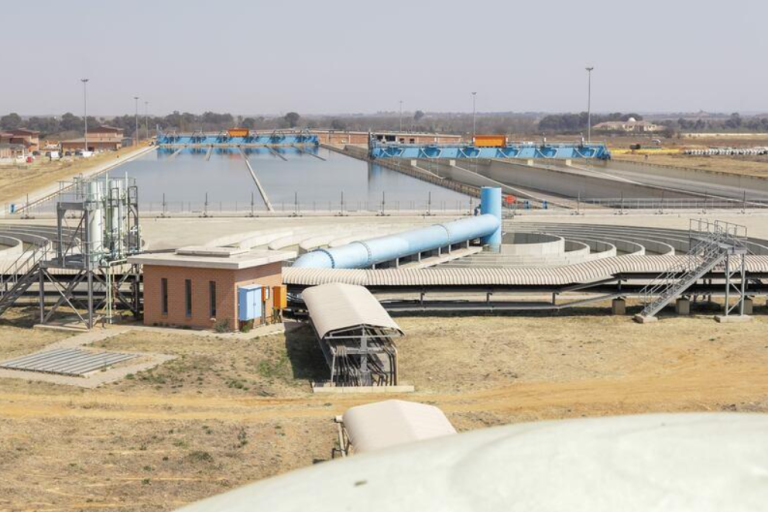
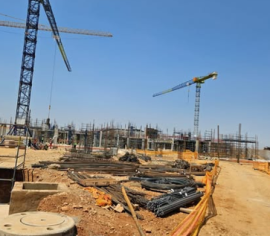
Key priorities include increasing investment in bulk water and distribution infrastructure, encouraging private-sector participation, strengthening legal and regulatory frameworks, and tackling corruption and criminal activity affecting the water sector.
The plan also seeks to reform how municipal water services are managed by ring-fencing water revenue, ensuring that income generated through water services is reinvested into maintaining infrastructure, upgrading systems and employing skilled technical personnel.
According to the Presidency, one of the underlying causes of the water crisis has been the diversion of water revenue to other municipal functions, leaving insufficient funding for maintenance and long-term infrastructure investment.
Government also identified fragmented accountability as a major obstacle, noting that technical water departments often have limited control over billing, revenue collection and protecting critical water infrastructure.
Dedicated implementation teams have been appointed to support municipalities, mobilise technical expertise, develop new partnerships and accelerate delivery of the plan’s objectives.
President Ramaphosa said government intends applying the same focused approach that addressed South Africa’s energy crisis to resolving water challenges.
“By acting boldly and decisively to improve the performance of Eskom and reform our energy system, we were able to end load shedding and achieve a secure and reliable energy supply.”
“Now, we are applying the same approach to the water crisis that has been unfolding in many parts of our country,” the President said.
Ramaphosa described the National Water Action Plan as providing a “clear, practical and focused approach” to achieving long-term water security for all South Africans, with WATERCOM expected to meet regularly to monitor progress and hold implementing departments accountable.