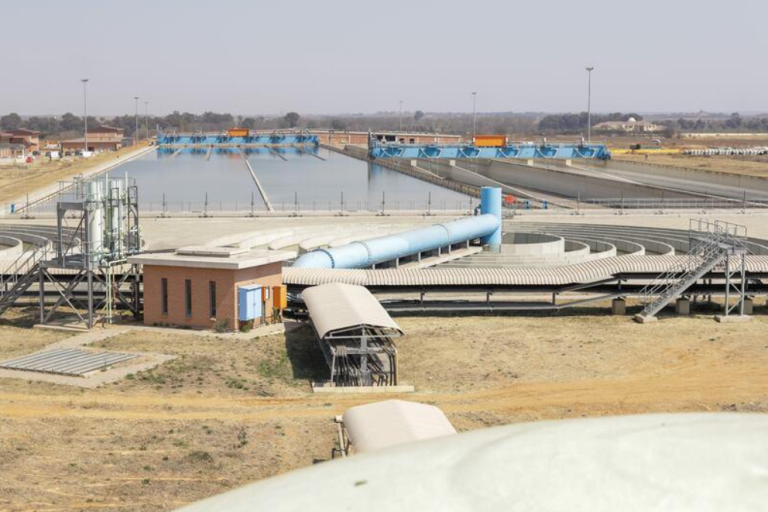
Government has deployed emergency drinking water supplies and launched an infrastructure recovery programme to protect Bronkhorstspruit communities following widespread contamination of the municipal water supply.
The intervention follows 408 reported cases of gastrointestinal illness between 7 and 18 October 2026, affecting residents in Zithobeni, Bronkhorstspruit, Dark City, Rethabiseng and Sokhulumi.
A coordinated response involving the Department of Water and Sanitation, the Department of Health, Gauteng provincial government and the City of Tshwane is focusing on providing safe drinking water, monitoring public health risks and addressing failures at the Bronkhorstspruit Water Treatment Works.
The municipality is deploying 36 water tankers to provide drinking water to affected households while water quality testing continues.
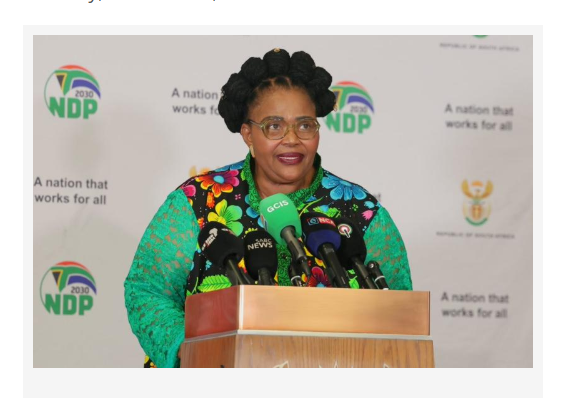
Water and Sanitation Minister Pemmy Majodina said investigations identified a breakdown in chlorine supply that resulted in untreated water leaving the treatment facility between 24 September and 14 October.
Laboratory testing found high levels of bacterial contamination in the municipal water supply, while patient samples revealed pathogens associated with gastrointestinal illness.
The findings prompted the closure of the treatment works on 14 October. Although chlorine supplies were restored and the facility reopened on 16 October, authorities have not confirmed when the water will be safe for household use.
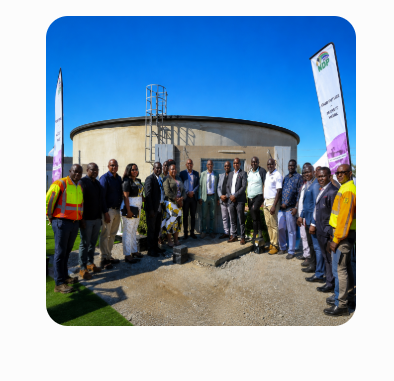
To address the infrastructure problems, the City of Tshwane is working towards appointing Rand Water to assist with improvements at the treatment facility.
Engineers are developing an implementation plan to address malfunctioning equipment and strengthen the reliability of water treatment operations.
The municipality has spent approximately R21 million on the facility during the current financial year, with expenditure and planned investment exceeding R107 million over a three-year period.
The Water Research Commission has also been appointed to conduct independent testing and investigate the causes of the contamination.
The investigation will support efforts to establish accountability and identify measures needed to prevent similar incidents.
For communities dependent on municipal water services, the immediate priority remains access to safe drinking water while longer-term infrastructure improvements are developed.
Residents have been advised to obtain drinking water from municipal tankers and store it in clean, covered containers.
Tap water supplied by the affected treatment works must not be used for drinking, cooking, bathing, brushing teeth or washing clothes. Authorities have advised that it should only be used for flushing toilets.
Residents experiencing symptoms of gastrointestinal illness are encouraged to seek medical attention.
The response places renewed attention on the importance of reliable water infrastructure, public health protection and coordinated government intervention in communities where access to safe water is essential to everyday life.