The African Development Bank Group and Japan have signed a $583.4 million concessional loan agreement to expand affordable development financing for Africa’s lowest-income countries and communities.
The agreement, signed in Tokyo on 13 November 2026, will support the seventeenth replenishment of the African Development Fund (ADF-17), strengthening its capacity to finance essential infrastructure, energy access, food security and regional economic integration.
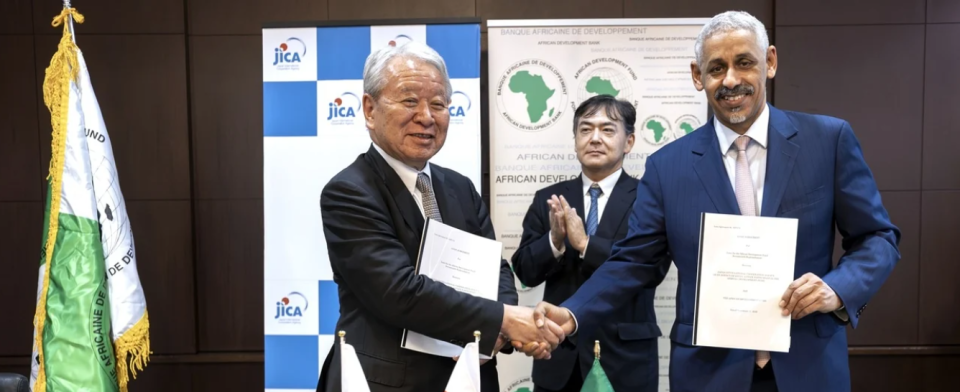
The financing agreement between the African Development Bank Group and the Japan International Cooperation Agency (JICA) represents JICA’s largest official development assistance loan to the Fund.
Bank Group President Dr Sidi Ould Tah and JICA President Dr Akihiko Tanaka signed the agreement, reinforcing a partnership that has supported African development for more than five decades.
The JPY 86.6 billion loan, equivalent to approximately $583.4 million, will provide concessional financing intended to help eligible African countries address development challenges while expanding economic opportunities.
“This financing demonstrates the strength of the partnership between JICA and the African Development Bank Group, and our shared commitment to Africa’s development,” said Tanaka.
He added that the agreement reflected Japan’s confidence in the Fund’s ability to support resilient, inclusive and sustainable development.
The commitment forms part of the ADF-17 replenishment, which mobilised a record $11 billion from 44 development partners.
However, the African Development Bank Group is also pursuing changes to how development finance is mobilised and distributed across the continent.
“ADF-17 mobilised a record $11 billion from 44 partners. But our ambition goes beyond replenishing resources. Through the New African Financial Architecture for Development, we are transforming how Africa mobilises and deploys development finance,” said Ould Tah.
The Fund’s evolving financing model seeks to combine traditional donor contributions with innovative instruments, including concessional donor loans and market borrowing, to increase the resources available for development.
For lower-income African countries, access to affordable long-term financing remains important for delivering infrastructure and public services without placing excessive pressure on national budgets.
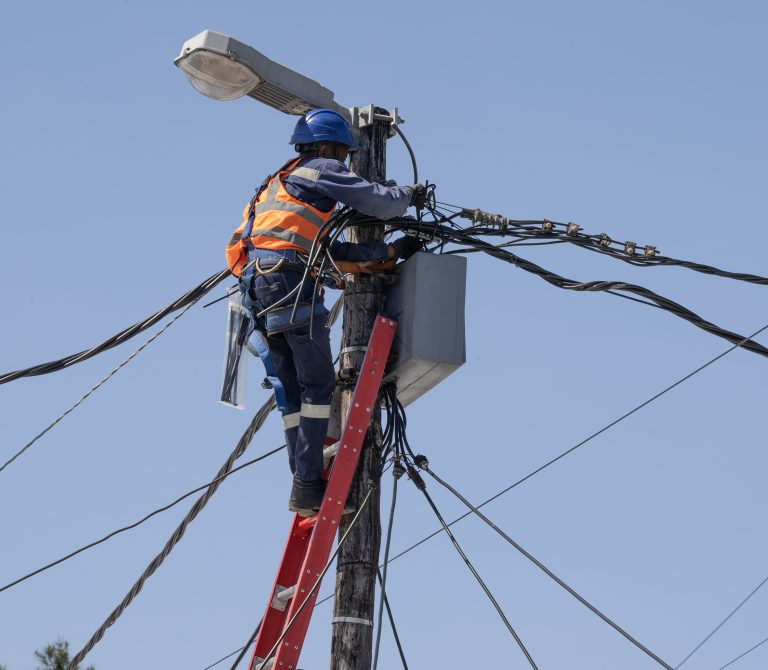
Japan’s latest commitment is expected to support investments that improve access to electricity, strengthen food systems, develop infrastructure and connect African economies through regional trade.
The agreement fulfils a pledge made by Japan’s Ministry of Finance during the ADF-17 replenishment negotiations in December 2025.
It complements approximately $600 million in other Japanese contributions, including grants and support under the Multilateral Debt Relief Initiative.
Kazuki Watanabe, Deputy Vice Minister for International Affairs at Japan’s Ministry of Finance, said Japan expected the replenishment to produce measurable development outcomes.
“Japan expects ADF-17 to deliver tangible results by expanding quality infrastructure, strengthening governance and institutional capacity, and promoting sustainable debt management.”
The agreement follows an exchange of diplomatic notes in Abidjan, Côte d’Ivoire, on 5 November between the Bank Group’s Vice-President for Finance and Chief Financial Officer, Hassatou Diop N’Sele, and Japan’s Ambassador to Côte d’Ivoire, Junji Gomakubo.
Japan has been a member of the African Development Fund since 1973 and joined the African Development Bank in 1982.
Over the decades, the partnership has expanded to include private-sector investment, technical cooperation, skills development and institutional support.
Established in 1972, the African Development Fund provides grants and low-interest loans to eligible African countries, particularly those with limited access to affordable commercial financing.
The latest agreement strengthens the Fund’s ability to support development priorities while encouraging greater mobilisation of investment capital.
For African communities, the potential benefits extend beyond the financing agreement itself. Investments in reliable energy, transport infrastructure, food security and economic development can improve access to essential services, support employment and strengthen local economies.
The next measure of success will be how effectively these financial commitments translate into projects that deliver lasting social and economic benefits across the continent.