
African policymakers are redesigning tax systems to better support women entrepreneurs, improve formalisation and strengthen inclusive economic growth through fairer taxation across the continent.
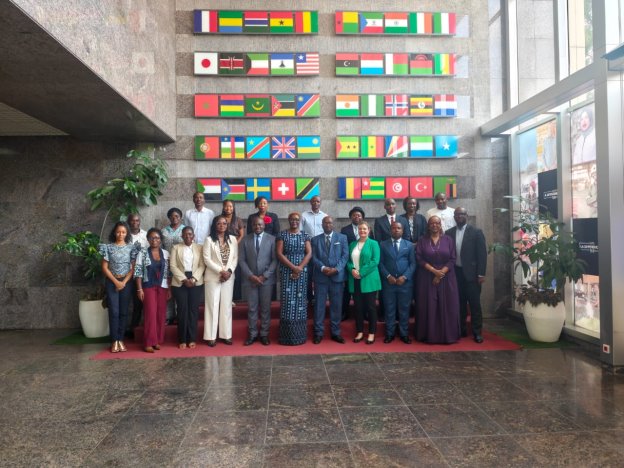
The African Development Bank Group and African Tax Administration Forum (ATAF) brought together tax administrators, researchers, development partners and gender specialists for a hybrid seminar in Abidjan and online on 7 September.
Held under the theme “Gender and Taxation: Advancing Gender-Responsive Tax Systems in Africa,” the seminar explored how tax policy and administration can better reflect the different economic realities experienced by women and men.
The discussions focused particularly on creating tax systems that support women’s economic participation and entrepreneurship while strengthening domestic resource mobilisation across African economies.
Women make up a significant proportion of Africa’s informal workforce. According to the African Development Bank’s African Economic Outlook 2026, informal employment accounts for about 86% of total employment across the continent.
An estimated 89.2% of employed women work informally, compared with 82% of men, making the design of taxes affecting informal businesses particularly important for women’s economic participation.
Participants examined how presumptive taxes, market levies, compliance requirements and business formalisation processes can affect women differently and potentially create additional barriers for entrepreneurs operating in the informal economy.
The seminar brought together representatives from Ministries of Finance, Ministries of Gender, tax administrations, civil society and research institutions to share evidence, country experiences and practical recommendations.
“We can design tax systems that reflect the realities of women and men, improve the data behind our decisions, make compliance and formalization more accessible and ensure domestic resources and fiscal policy contributes rather than constrains gender equality and women’s economic participation,” said Dr Jemimah Njuki, Director of the Gender, Women and Civil Society Department at the African Development Bank Group.
Women’s representation within tax administrations was another area highlighted during the discussions. ATAF’s African Tax Outlook found that women occupied only 27% of executive positions in African tax administrations in 2022.
Caroline Mutayabarwa, Manager of ATAF’s Tax Academy, said the objective extended beyond making technical changes to tax administration.
“We set out not merely to adjust administrative rules, but to build tax systems that serve every citizen fairly — which means confronting the structures that currently place an undue share of the burden on women,” she said.
The seminar also marked five years of the ATAF Women in Tax Network (AWITN), established in March 2021 to promote women’s leadership and participation in tax administration across Africa.
Since its establishment, the network has supported the professional development of women working in revenue authorities and promoted greater discussion around gender-responsive tax policy.
The gathering was the third in a series organised through the African Development Bank’s Gender and Macroeconomics Programme, which works to integrate gender considerations into macroeconomic policy and decision-making across Africa.
The programme operates through four areas: knowledge products, a webinar series, a platform bringing together Ministries of Gender and Finance, and capacity building.
It follows the programme’s November 2025 launch webinar, “From Policy to Practice: Advancing Gender-Responsive Macroeconomics in Africa,” and a gender-responsive budgeting webinar held in April 2026.
The African Development Bank and ATAF will continue collaborating on gender-responsive fiscal policy and tax administration through knowledge sharing, policy dialogue and the exchange of evidence and experiences between countries.
The broader objective is to build tax systems that raise the resources governments need while creating an environment in which more African women can participate in the economy, formalise enterprises and grow businesses.
