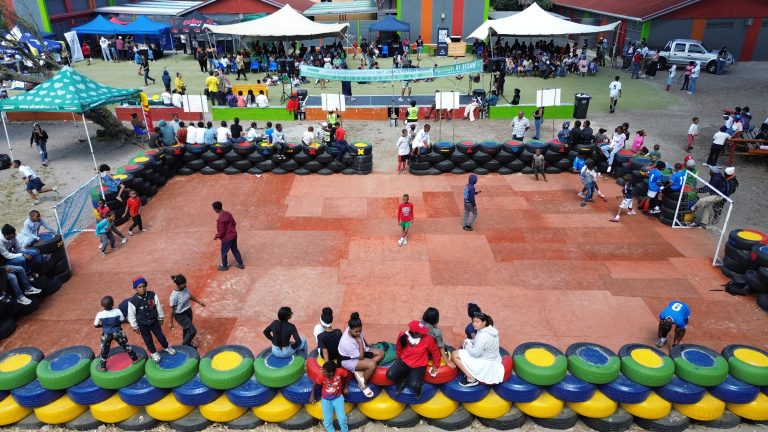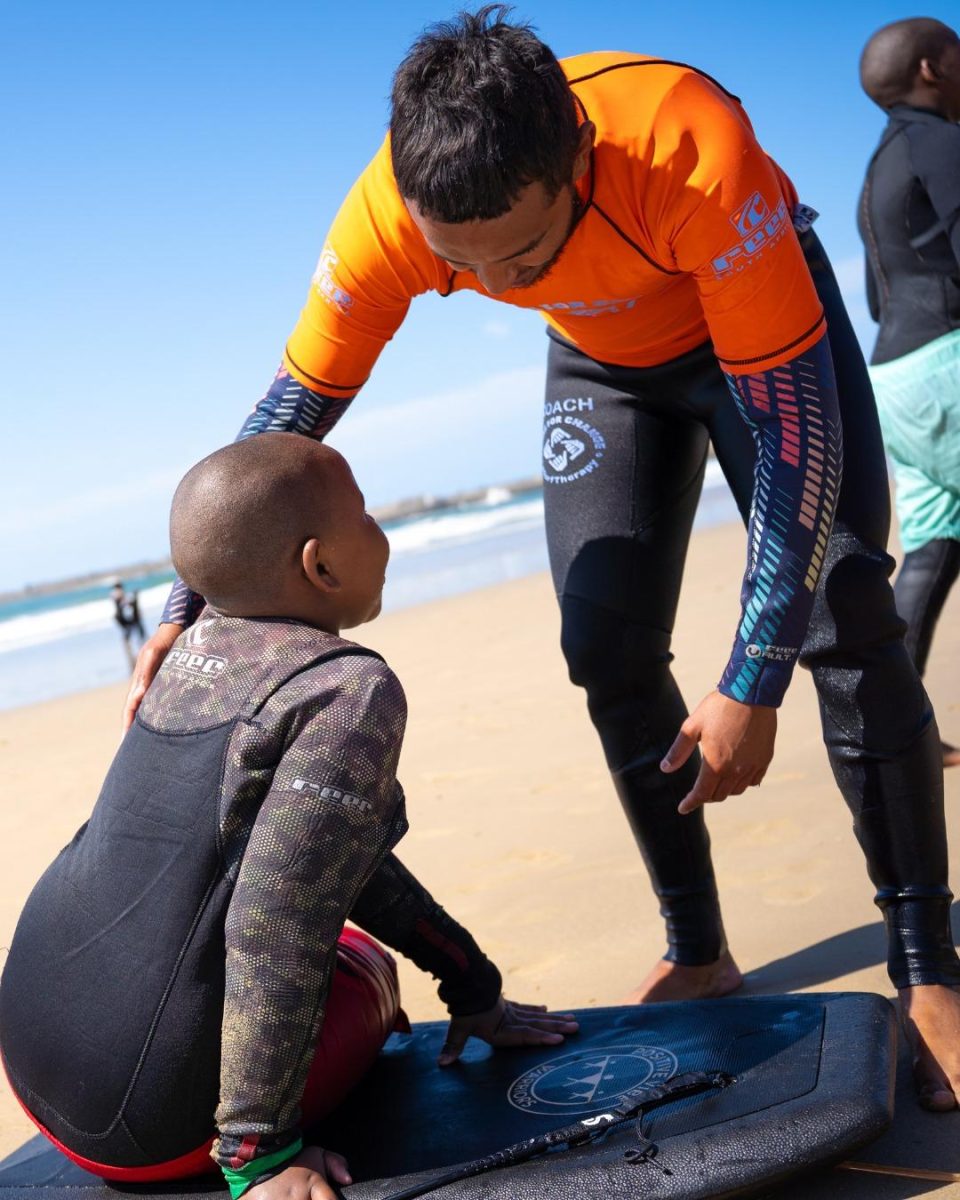
Cape Town is strengthening its approach to youth development through partnerships that aim to transform afterschool programmes from recreational activities into supportive environments where young people can build resilience, develop relationships and experience a sense of belonging.
The City of Cape Town’s Recreation and Parks Department, Western Cape Department of Cultural Affairs and Sport (DCAS), and Waves for Change brought together government officials, researchers and nonprofit organisations to explore how afterschool programmes can deliver more meaningful developmental outcomes.
Held at the Smart Living Education Centre in Green Point on 27 October 2026, the seminar, titled Beyond Participation: Shaping the Experiences of Youth in the Afterschool Programme Space, examined how programme quality, positive adult relationships and supportive environments can influence young people’s experiences.
The discussions highlighted a significant challenge for organisations investing in youth development: participation numbers alone do not demonstrate whether programmes are improving children’s wellbeing.
Research presented at the seminar included findings from a Planet Youth survey involving more than 47,000 Grade 8 and 9 learners across the Western Cape.
The findings indicated that participation in sport does not eliminate the risk of substance use, reinforcing the importance of providing appropriate supervision, positive relationships and supportive environments alongside recreational opportunities.
For government departments, community organisations and social investment partners, the findings suggest that measuring programme success requires looking beyond attendance figures to understand what young people actually experience.
Charlene Petersen-Vos from The Learning Trust emphasised that creating meaningful opportunities for young people involves more than simply providing activities.
“A practitioner’s duty is not only to offer the programme, but to ensure that youth feel welcome, have a voice, discover their interests, build relationships and experience a sense of belonging,” she said.
The approach reflects a growing focus on the quality of social interventions and the relationships that support positive youth development.
One example discussed at the seminar was Take 5, an approach developed by Waves for Change to strengthen the capabilities of existing sports coaches.
The initiative aims to equip coaches with skills to create safe, supportive environments where children can experience caring relationships, find respite from stress and learn ways to manage adversity.
Rather than treating sport as an intervention that automatically delivers positive outcomes, Take 5 focuses on the role of coaches in shaping the experience of young participants.
The approach recognises that coaches can become important sources of support, particularly when they are equipped to build trust, respond appropriately to children’s needs and encourage positive relationships.
For the Western Cape Department of Cultural Affairs and Sport and Waves for Change, strengthening coach competency represents an opportunity to improve the developmental value of existing sports programmes.
The partnership also demonstrates how social innovation can be integrated into established public services rather than requiring entirely new infrastructure or delivery systems.
By improving the skills of practitioners already working with children, organisations can explore ways to strengthen programme quality within existing afterschool activities.
The seminar also examined the importance of supporting the young people who deliver these programmes.
Wayde Groep from DCAS’s Year Beyond programme shared five lessons from working with young coaches, emphasising responsibility, meaningful support, intentional personal development and the importance of creating pathways beyond a year of service.
The discussion highlighted that young practitioners also need to feel safe, valued and supported if they are to provide positive experiences for learners.
This creates a wider development opportunity in which afterschool programmes can support both participating children and the young adults responsible for delivering activities.
The importance of measuring these outcomes will be explored through new research partnerships.
The ALIVE Randomised Controlled Trial, undertaken with the University of Cape Town, will investigate the effectiveness of integrating the Take 5 approach into DCAS school sport programmes.
Scheduled to run from 2027 to 2029, the three-year study will examine adolescent health and behavioural outcomes in participating schools, including whether the approach reduces the incidence of mental illness.
The research will provide an opportunity to assess the effectiveness of the intervention through a structured evaluation rather than relying solely on participation figures or anecdotal experiences.
The City of Cape Town is also undertaking the Cape Town Recreation Study during 2026 and 2027.
This research aims to understand participation in sport and recreation, including the factors that encourage or discourage people from taking part.
Together, the studies could help government departments and nonprofit organisations make more informed decisions about programme design, resource allocation and future investment.
They also highlight the importance of collaboration between public institutions, researchers and community-based organisations in developing and evaluating social interventions.
For organisations involved in corporate social investment and youth development, the approach offers a relevant lesson: meaningful impact depends not only on how many young people participate, but also on the quality of their experiences and the outcomes achieved.
Investments in sport, recreation and afterschool activities can potentially deliver greater social value when accompanied by practitioner development, supportive relationships and evidence-based programme design.
Young people’s contributions to the seminar reinforced the importance of safety, belonging, purpose and opportunities to develop skills.
These experiences point to the role afterschool programmes can play in building social capital by strengthening relationships between young people, coaches, schools and community organisations.
However, the extent to which improved programme quality leads to measurable long-term health and behavioural outcomes remains an important question for the forthcoming research.
Councillor Francine Higham, the City’s Mayoral Committee Member for Community Services and Health, said collaboration is essential to creating afterschool experiences that respond to young people’s needs.
“Afterschool programmes should be about more than giving young people something to do. We want learners to feel safe, supported and included, with opportunities to build confidence and positive relationships. This is why working with our partners matters. By understanding what young people need, we can help make these programmes more meaningful for them,” Higham said.
The seminar concluded with a commitment to work towards closer collaboration across the afterschool sector.
For Cape Town’s youth development partners, the next challenge is translating these discussions into programme improvements that can be implemented, evaluated and sustained.
The collaboration between the City, DCAS, Waves for Change, The Learning Trust and research institutions demonstrates how shared expertise can contribute to more responsive approaches to youth development.
By placing young people’s experiences at the centre of programme design, the initiative highlights an important shift in social investment: moving beyond participation as a measure of success towards understanding whether interventions are creating safer environments, stronger relationships and meaningful opportunities for development.