
South Africa is stepping up efforts to divert electronic waste from landfills, expand recycling access and create economic opportunities through a growing circular economy nationwide today.
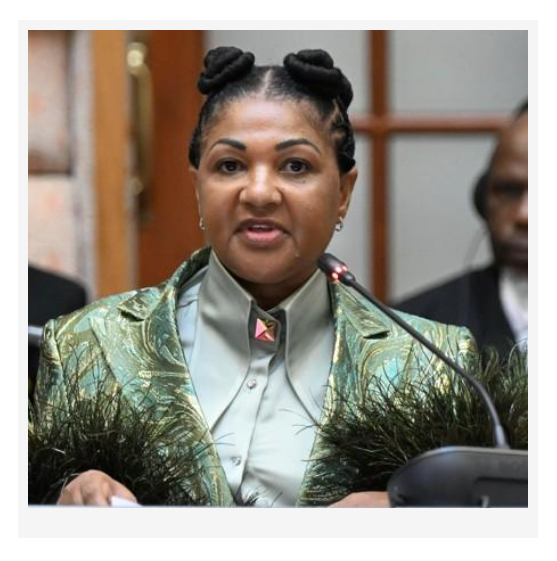
Deputy Minister of Forestry, Fisheries and the Environment Bernice Swarts has called on households, businesses and institutions to stop throwing unwanted electronic equipment into ordinary waste and instead use recognised collection and recycling facilities.
Her call came as South Africa marked International E-Waste Day on 14 October under the theme “Fast Tech | Don’t bin it, bring it!”, drawing attention to the growing volume of small electronic products entering the waste stream.
Items such as earphones, charging cables, adapters, electronic toys and small household gadgets are often discarded individually, but collectively they form part of a rapidly expanding environmental challenge.
“Small electronic items may appear insignificant when discarded individually, but collectively they contribute to a rapidly growing waste stream,” Swarts said.
“This year’s message, ‘Don’t bin it, bring it’, reminds us that electronic products should be returned to appropriate collection and recycling channels rather than thrown away with ordinary waste.”
South Africa generates more than 360 000 tonnes of electronic waste each year, according to the Department of Forestry, Fisheries and the Environment, while only about 10% is estimated to be properly recycled.
That leaves a substantial volume of electronic equipment either stored unused, discarded illegally or entering waste streams not designed to manage potentially hazardous materials.
Electronic products can contain substances including lead, mercury and cadmium, creating risks to soil, water and human health when they are dumped or handled incorrectly.
But e-waste is also increasingly being viewed as an economic resource.
Old electronics contain materials that can be recovered, reused or returned to manufacturing supply chains, creating opportunities for recyclers, waste reclaimers and smaller businesses operating within the circular economy.
This is where South Africa’s e-waste challenge becomes a shared-value opportunity.
Through Extended Producer Responsibility regulations, producers of electrical and electronic equipment are required to take greater responsibility for what happens to products once consumers no longer want them.
The department, producers and Producer Responsibility Organisations are rolling out collection and recycling initiatives across all nine provinces, with particular attention being given to rural and peri-urban communities where specialised recycling infrastructure can be harder to access.
Producer Responsibility Organisations are expected to work with municipalities, existing collectors, waste reclaimers and micro, small and medium enterprises to establish collection points and strengthen recycling and recovery systems.
That model creates an opportunity to connect environmental responsibility with enterprise development.
Instead of electronic waste simply becoming a municipal problem, collection and recycling can support local businesses, create income opportunities and bring informal waste reclaimers into more structured value chains.
The Extended Producer Responsibility system also provides for participation by young people, women and persons with disabilities within the waste economy.
For communities where formal employment opportunities remain limited, the growth of recycling and recovery businesses can create new pathways into economic participation while helping South Africa reduce the amount of valuable material being lost to landfill.
“Many of these interventions have targeted rural municipalities where access to specialised e-waste collection and recycling infrastructure remains limited,” the department said.
“The programme aims to establish long-term recycling habits, improve awareness and create locally accessible collection systems.”
The disposal of electronic waste to landfill has been prohibited in South Africa since August 2021, increasing the importance of accessible alternatives for consumers and businesses.
Without convenient collection points, however, regulation alone is unlikely to change behaviour.
Long-term success will depend on households knowing where to take electronic products, municipalities supporting collection infrastructure and businesses making responsible disposal easier for consumers.
The department continues to work with Producer Responsibility Organisations and municipalities to expand permanent collection infrastructure, improve public awareness and connect local collectors and enterprises to licensed recycling facilities.
That broader system is increasingly important as South Africa seeks to transition towards a circular economy in which products and materials remain in use for longer rather than following a simple manufacture, use and disposal model.
Greater recovery of electronic waste can reduce environmental pressure while creating new commercial activity around repair, collection, dismantling, recycling and material recovery.
It also demonstrates how ESG commitments can move from corporate reporting into practical systems that change what happens to products after they leave the marketplace.
“South Africa’s transition towards a circular economy will require greater recovery of valuable resources from waste, increased recycling, stronger public-private partnerships and greater participation by local enterprises and informal waste reclaimers,” the department said.
The message for consumers is considerably simpler.
That old charger, broken pair of earphones or unwanted electronic device may look insignificant on its own.
But what happens to millions of those products collectively will determine whether they become an environmental burden or part of a growing circular economy.
