
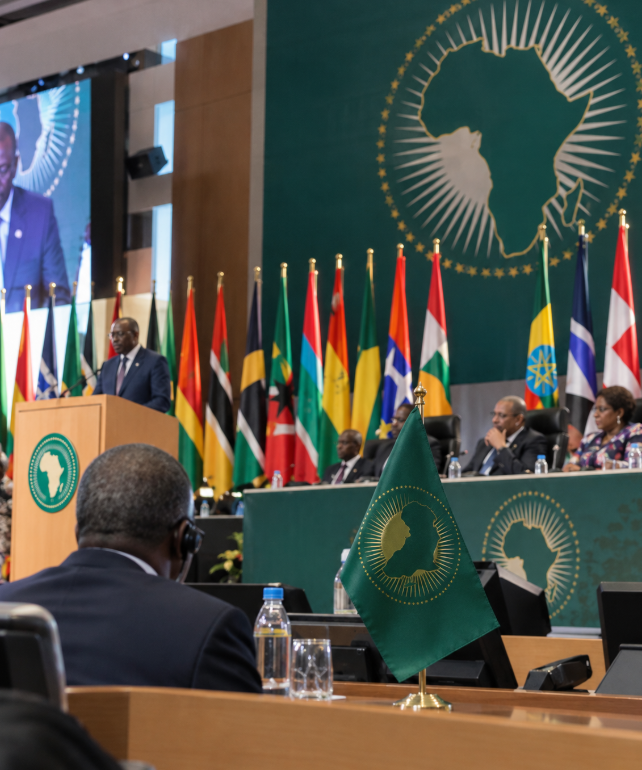
Africa is preparing to launch its own credit rating agency in Mauritius, creating a continental institution designed to strengthen transparency, investment confidence and financial sovereignty continentwide.
The African Union will officially launch the Africa Credit Rating Agency, known as AfCRA, in Port Louis, Mauritius, on 7 October 2026, marking the culmination of several years of work to establish an African-led institution capable of assessing governments, businesses and other issuers across the continent. African Union
AfCRA has been designed to provide independent, evidence-based credit assessments while incorporating African data, expertise and economic context. The agency is intended to complement existing international rating agencies rather than replace them, giving investors and African issuers an additional source of information on credit risk. African Union
Credit ratings influence how investors assess the likelihood that governments and companies will repay borrowed money. Those assessments can affect whether an institution can access capital and how much interest it ultimately pays.
For African economies, the issue is particularly important because borrowing costs can directly influence the amount of money governments have available for infrastructure, health, education and other development priorities.
The African Union says AfCRA is intended to address information gaps and improve how African sovereigns, sub-sovereigns and businesses are understood in international financial markets.
According to the AU, only 32 of Africa’s 55 states currently carry ratings from the three dominant international agencies, leaving 23 countries unrated. Expanding coverage could therefore help more governments, institutions and businesses become visible to investors that require formal credit assessments before allocating capital. African Union
The African Peer Review Mechanism estimates that Africa represents a market worth approximately US$4 trillion, while less than 5% of financial instruments by value are currently rated. The organisation argues that limited rating coverage can make borrowing more difficult and restrict the number of investors able to consider African opportunities. SABC News
AfCRA’s development has been overseen by the African Peer Review Mechanism under a mandate from the African Union.
The journey towards establishing the agency dates back to 2018, when the AU Assembly endorsed the concept. African finance ministers subsequently strengthened political support for the initiative, while governance structures, methodologies and institutional frameworks were developed during 2024 and 2025. African Union
Mauritius was selected as AfCRA’s headquarters following a competitive process involving African jurisdictions. Its established financial services sector, regulatory environment and international connectivity contributed to its selection as the agency’s primary jurisdiction. African Peer Review Mechanism (APRM)
The organisation is being structured differently from a traditional intergovernmental institution.
AfCRA will be private-sector driven, self-funded and operationally independent. Governments will not be permitted to own shares in the agency, a safeguard intended to reduce the potential for political interference in rating decisions. African Union
That independence will be important to the agency’s credibility.
An African rating agency will only have value to investors if its assessments are viewed as rigorous, transparent and capable of producing difficult ratings when the evidence requires them. The objective is therefore not to automatically award African governments or companies better ratings, but to provide an additional assessment informed by deeper knowledge of African markets.
APRM CEO Ambassador Marie-Antoinette Rose-Quatre has previously stressed that AfCRA is not being created to provide preferential treatment, but to produce what the organisation believes can be fairer and more accurate alternative assessments of credit risk. African Union
The potential economic consequences extend beyond individual ratings.
The African Union says Africa’s external debt service increased from approximately US$61 billion in 2010 to US$163 billion in 2024. In many countries, rising interest costs are placing increasing pressure on public finances and competing with spending on essential services. African Union
Better information alone cannot solve Africa’s debt challenges, but more comprehensive and context-specific assessments could help investors distinguish between different levels of risk instead of treating African markets as broadly similar.
AfCRA will be able to rate sovereign governments, sub-sovereign entities, companies and public and private institutions, creating the potential for a much larger pool of African entities to develop formal credit profiles. African Union
The agency is also expected to work alongside institutions including the African Development Bank, regional economic communities, national financial regulators and other African financial institutions.
Its launch comes as the continent increases efforts to strengthen its own financial architecture and mobilise more capital for development.
Earlier this month, African Development Bank President Sidi Ould Tah also announced an initiative to help African countries strengthen their ability to prepare for and manage sovereign credit ratings, reflecting a broader push to improve the continent’s engagement with rating agencies and global capital markets. Reuters
For investors, AfCRA could provide another set of data and analysis through which African opportunities can be assessed.
For governments and businesses seeking capital, its success will ultimately depend on whether the agency can build enough credibility for investors to use its ratings when making real financial decisions.
The launch in Mauritius therefore represents the beginning rather than the conclusion of the process.
AfCRA will now have to demonstrate that an African-owned institution can combine local knowledge with international standards of independence, governance and technical credibility.
If it succeeds, the result could be more than another credit rating agency. It could help expand the number of African governments and businesses visible to global investors while giving the continent a stronger role in determining how African financial risk is measured and understood.
