
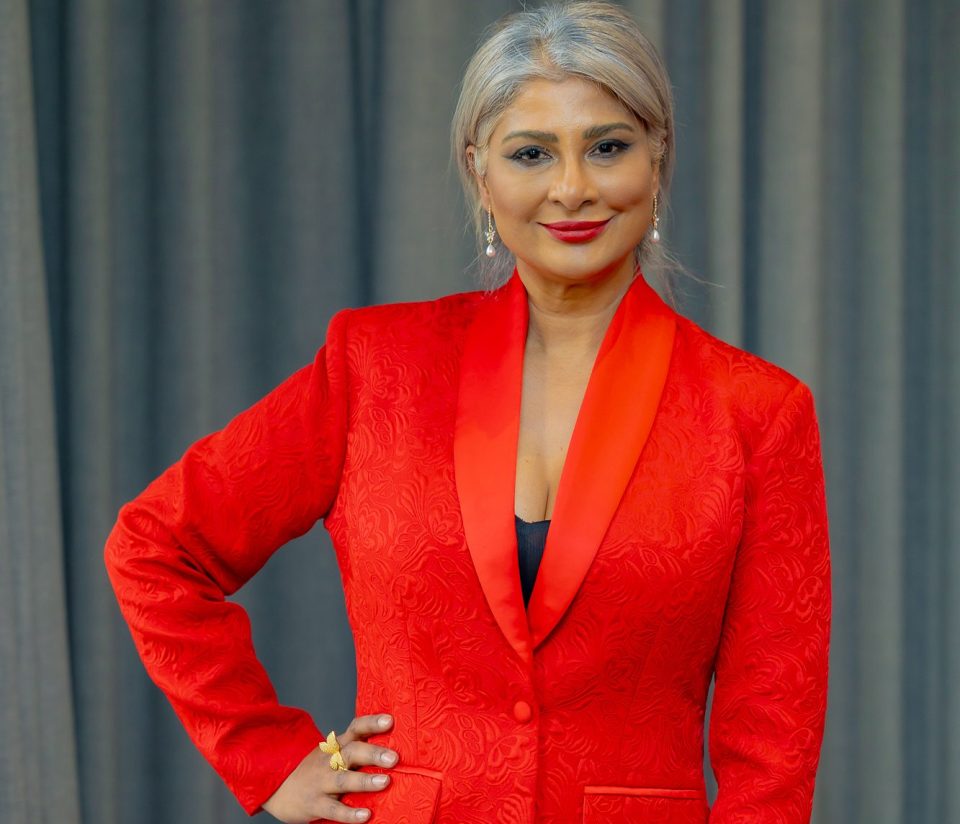
Seventy years after the historic 1956 Women’s March, W-Suite founder Katie Mohamed is challenging corporate South Africa to move beyond celebrating women towards creating economic power.
Every August, Women’s Month brings conferences, breakfasts, campaigns, panel discussions and recognition of women leaders across South Africa.
Mohamed argues that recognition has value, but says the women who marched to the Union Buildings in 1956 were demanding something far more substantial.
“The women of 1956 did not march for applause. They marched because they wanted change,” Mohamed said.
For Mohamed, commemorating the 70th anniversary of the Women’s March should therefore involve more than remembering the courage of the thousands of women who participated.
“History should move us forward.”
She believes the conversation around women’s empowerment needs to progress from celebration to participation, from participation to partnership, and ultimately towards ownership and economic power.
Women are already active throughout the South African economy as employees, executives, entrepreneurs, professionals, creators, caregivers and business owners.
The more important question, Mohamed argues, is where women are positioned within the economic value chain and how much influence they have over the creation and distribution of economic value.
“There is a difference between being invited into a room and having influence over what happens in that room.”
The same distinction exists for women entrepreneurs.
“There is a difference between being recognised as a woman entrepreneur and being awarded a meaningful contract that allows that business to grow.”
Mohamed believes South Africa has become comfortable with encouraging and recognising women but needs to become equally comfortable with transferring meaningful economic opportunities.
That includes improving access to markets and capital for women-owned businesses, providing sponsorship that moves emerging leaders into positions of influence and creating opportunities for established women to build assets and wealth.
“We have become very comfortable with encouraging women. We are less comfortable with transferring real opportunity.”
Ownership, she argues, is where the discussion around women’s economic participation becomes more significant.
It requires examining who owns businesses, holds equity, controls capital and intellectual property, and ultimately benefits when economic value is created.
“A woman can be highly visible and still have very little economic power.”
Women can appear on magazine covers, receive awards and participate in high-profile discussions while their businesses continue struggling to secure working capital or major procurement opportunities.
“Visibility matters. But visibility alone does not create wealth.”
Mohamed believes corporate South Africa has an important role to play in moving women’s economic participation towards greater economic power.
This means looking beyond Women’s Month campaigns towards procurement, supplier development, investment, leadership pipelines, executive appointments, sponsorship and access to markets.
“It means asking whether the money follows the message.”
Mohamed argues that celebrating women during August has limited impact if the economic systems determining opportunity remain largely unchanged throughout the rest of the year.
“This is not an argument against Women’s Month. It is an argument for making it matter.”
The women who marched in 1956 were organised and purposeful, demonstrating that meaningful change required participation and action.
Seventy years later, Mohamed believes honouring that legacy means demonstrating measurable progress in women’s economic participation.
“Don’t tell us how much you value women in August. Show us where you invest in women from September to July.”
For Mohamed, that represents the next stage of the journey.
“That is how celebration becomes participation. That is how participation becomes ownership. And that is how remembrance becomes economic power.”
Katie Mohamed is CEO and co-founder of BrandFusion, founder of W-Suite and ChangeHub Foundation, and an advocate for women’s economic participation. She is also the author of Brave, Today, which explores courage, identity and healing.
