
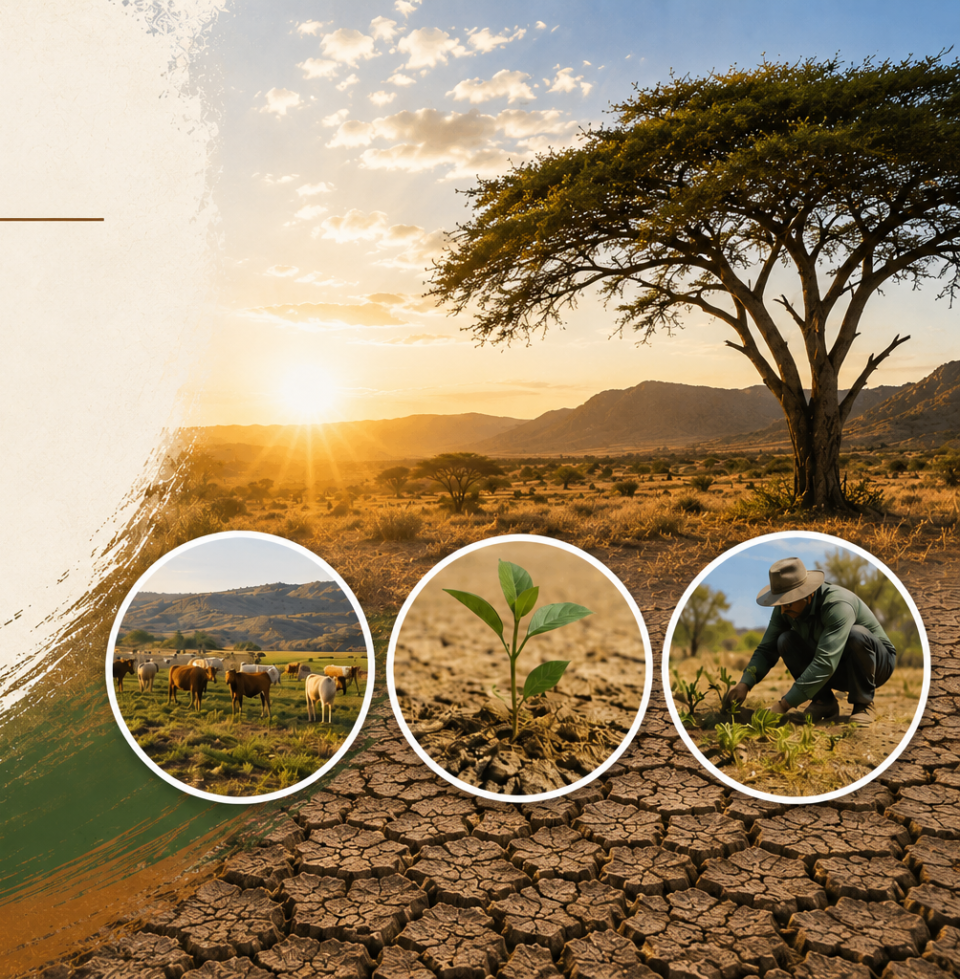
The Department of Forestry, Fisheries and the Environment is highlighting sustainable rangeland restoration as a pathway to food security, jobs and climate resilience.
As South Africa marks Desertification and Drought Day 2026 on 17 June, the Department of Forestry, Fisheries and the Environment (DFFE) is drawing attention to the critical role that healthy rangelands play in supporting biodiversity, protecting water resources, strengthening food security and creating economic opportunities for rural communities.
This year’s global theme, “Rangelands: Recognise. Respect. Restore.”, focuses on the importance of protecting and restoring rangelands, which cover vast areas of the world’s surface and provide essential ecosystem services. These landscapes support livestock grazing, carbon sequestration, biodiversity conservation and water regulation while sustaining the livelihoods of millions of people.
Despite their importance, rangelands remain among the world’s most vulnerable and degraded ecosystems. Ongoing land degradation, drought and climate pressures continue to threaten agricultural productivity, water security and the resilience of rural communities.
According to DFFE, the 2026 commemoration aims to raise awareness about the benefits of sustainable land management and ecosystem restoration. Healthy rangelands contribute not only to environmental sustainability but also create opportunities for employment, entrepreneurship and green economic development.
To support these objectives, DFFE is working with the Department of Agriculture and the International Union for Conservation of Nature (IUCN) through the Global Environment Facility-funded project, Mainstreaming Sustainable Land Management for Large-Scale Impact in the Grazing Lands of Limpopo and Northern Cape Provinces in South Africa.
The project is already delivering measurable benefits to communities living in drought-prone regions.
Among its achievements, two boreholes have been officially handed over to the communities of Rietfontein and Philandersbron, improving access to water in areas that have faced ongoing water shortages and drought-related challenges.
The programme has also prioritised skills development and job creation. A total of 84 beneficiaries, including women, young people and persons with disabilities, have received training and employment opportunities through invasive plant species removal programmes covering approximately 700 hectares of land.
Particular attention has been given to the removal of invasive Prosopis species, which threaten local biodiversity, reduce water availability and place additional pressure on already stressed ecosystems.
In addition to the larger restoration programme, a complementary small-grant initiative is being implemented between April 2026 and April 2027. The project will create a further 10 temporary jobs while supporting sustainable land management and food security interventions in participating communities.
Deputy Minister of Forestry, Fisheries and the Environment Bernice Swarts said protecting and restoring land resources remains essential for building resilient communities and sustainable local economies.
“Together we need to work towards ensuring sustainable land management and environmental stewardship to ensure healthier ecosystems and strengthened socio-economic conditions of rural communities,” said Swarts.
As climate change, drought and land degradation continue to affect communities across South Africa, initiatives that combine environmental restoration with job creation and community development are becoming increasingly important.
Through partnerships, community involvement and targeted investment, DFFE is demonstrating how environmental stewardship can support both conservation outcomes and socio-economic development, helping communities build resilience while protecting natural resources for future generations.
