Hospice Week is shining a spotlight on the growing reach of palliative care in South Africa, while calling for broader access so more families can receive support during life-limiting illness.
As Hospice Week takes place from May 4 to 10, the focus is on both progress and possibility — recognising the thousands of South Africans already receiving palliative care, while highlighting the opportunity to extend these services further.
More than 40,000 people currently access palliative care each year through a network of providers supported by the Association of Palliative Care Centres (APCC). These services offer far more than medical support, addressing emotional, psychological, social and spiritual needs for patients and their families.
At its core, palliative care is about improving quality of life — ensuring that individuals facing serious illness can live with dignity, comfort and support throughout their journey.
APCC CEO Motlalentoa Motsoane emphasised the importance of expanding access so that more people can benefit from this care.
“We are confronted with a stark reality: while some patients benefit from access to services, many more are left without the care they need at the most vulnerable time of their lives,” he said.
Stories from across the country continue to highlight the difference that palliative care can make.
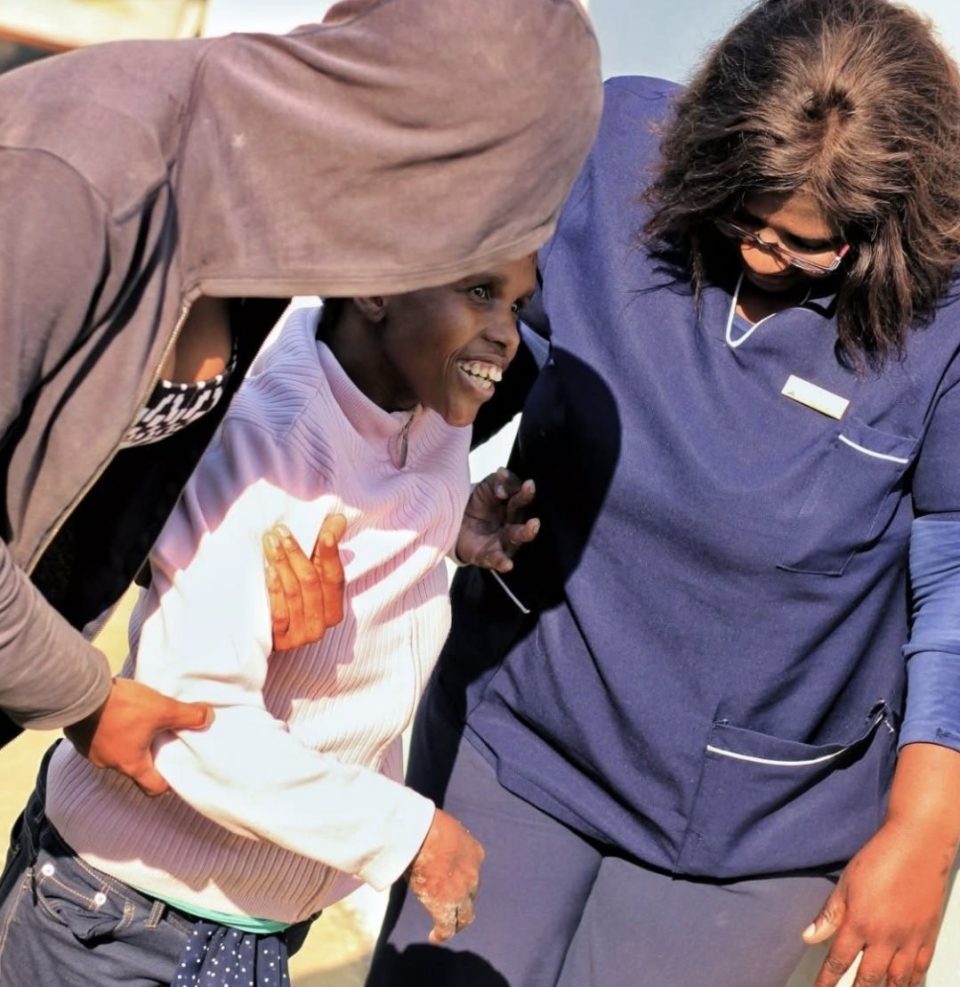
In one case, a patient named Nonthobeka received support from a hospice team after returning home from hospital. Through coordinated care, her pain was managed, her family received food assistance, and her children were supported through education and counselling.
Reflecting on the experience before her passing, she shared:
“I thought I was just going to die and then Knysna Sedgefield Hospice came and I lived to see my children’s happiness.”
These moments reflect the deeper impact of palliative care — not only easing physical suffering, but strengthening families and providing emotional stability during difficult times.
Healthcare professionals also highlight the role of palliative care in empowering patients and families to make informed decisions, ensuring that care is aligned with individual needs and preferences.
Despite these successes, access remains uneven. Many families are still unaware that palliative care services exist, or assume they are unaffordable, limiting uptake.
Hanneke Lubbe, APCC Chairperson in the Free State, stressed the importance of recognising palliative care as a fundamental part of healthcare.
“A dignified death should be afforded to all,” she said, noting that many providers rely on community support and fundraising to sustain services.
The APCC is calling for stronger collaboration between government, healthcare systems, medical aids and communities to expand access and ensure long-term sustainability.
“When people have access to quality palliative care, they are not only given self-respect, but can live longer with pain managed and families strengthened through the journey of care,” Motsoane added.
As Hospice Week continues, it serves as a reminder of what is possible — and what still needs to be done — to ensure that compassionate, comprehensive care is available to every South African who needs it.