
Teenage pregnancy is rising in Cape Town, where thousands of young women are accessing antenatal care, exposing health risks and socioeconomic pressures on families and communities.
New data from City Health shows that in 2025, more than 22,000 women accessed basic antenatal care services across the metro. Of these, 1,230 were teenagers under the age of 18, marking a 1.2% increase from the previous year. The figures, released as South Africa marks Pregnancy Awareness Week, point to a persistent and troubling trend with long-term social and economic consequences.
Teenage pregnancies are widely recognised as higher risk, both medically and socially. Young mothers face increased chances of pregnancy-related complications, interrupted education, reduced earning potential and long-term dependency, while families and communities absorb the knock-on effects of early parenthood.
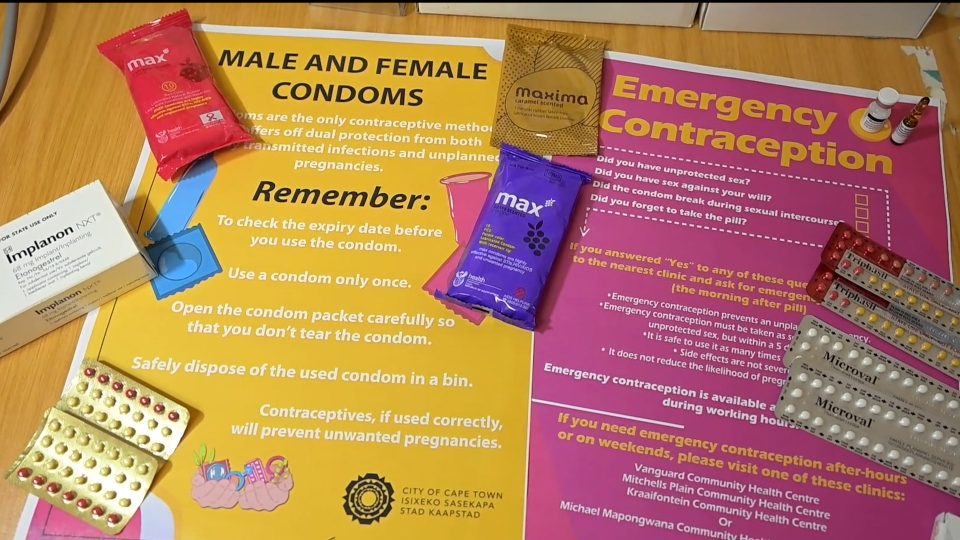
Health officials say the data reinforces the importance of prevention, early intervention and accessible healthcare. City Health facilities across the City of Cape Town offer adolescent- and youth-friendly services aimed at supporting sexually active teenagers to access contraception, counselling and reproductive health advice without stigma.
Mayoral Committee Member for Community Services and Health, Francine Higham, said young people are encouraged to engage with healthcare professionals to understand their options. She noted that a range of contraceptive methods is available at all clinics, and that clients of all ages can seek confidential advice.
While teenage pregnancy numbers have increased, City Health has recorded a modest but important improvement elsewhere. Over the past three years, fewer pregnant women are presenting for their first antenatal visit after 20 weeks, an indicator of earlier engagement with healthcare services.
Early antenatal care is critical. Clinicians monitor key indicators such as blood pressure, maternal weight, urine tests and foetal growth, allowing for early detection of complications and timely intervention. Evidence consistently shows that early booking improves outcomes for both mother and baby.
Health practitioners are also emphasising the broader factors that shape pregnancy outcomes. Nutrition, avoidance of alcohol and tobacco, and mental health support during pregnancy all play a decisive role in lifelong health for both mother and child. Research increasingly links poor maternal mental health to adverse outcomes later in life.
Women are encouraged to seek support through clinics, community networks or professional services, and to discuss HIV prevention options such as PrEP, as well as postpartum contraception, with healthcare providers. Where possible, partners are urged to attend antenatal visits to strengthen shared responsibility and support.
City Health is calling on all expectant mothers to register for antenatal care as soon as pregnancy is confirmed. Appointments for antenatal and contraceptive services can be booked online through the Healthcare Appointment System or directly at local facilities.
For Social TV, this story underscores a deeper social challenge. Rising teenage pregnancy is not only a health issue but a reflection of inequality, access gaps and the urgent need for youth-centred interventions that combine healthcare, education and social support to break intergenerational cycles of vulnerability.
