South African healthcare experts and policymakers are calling for greater investment in disease prevention, mental health support and community healthcare to reduce pressure on public hospitals.
The call emerged from the Progressive Business Forum’s (PBF) Health and Wellness Colloquium in Johannesburg, where government representatives, healthcare professionals and business leaders examined how preventative healthcare could improve community wellbeing and support economic participation.
The discussions focused on the financial and social consequences of preventable illness, substance dependence and limited access to early healthcare interventions, particularly in communities facing poverty and unemployment.
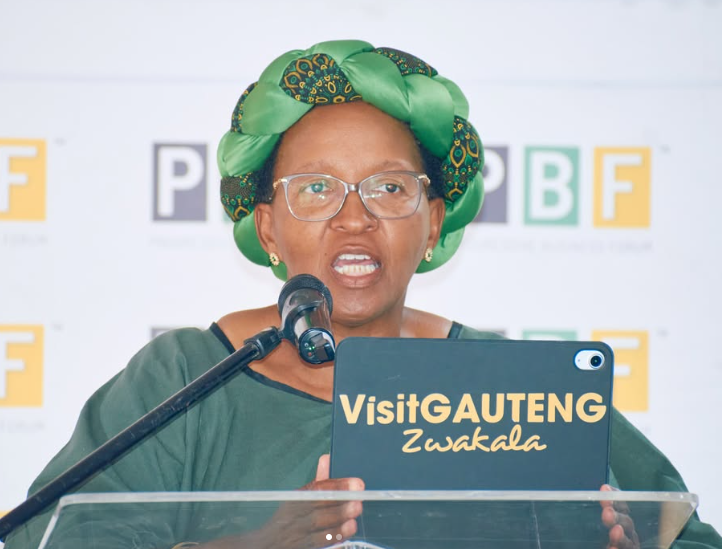
Gauteng Health MEC Faith Mazibuko highlighted the pressure on provincial healthcare facilities, where millions of patients rely on public hospitals and clinics. She called for stronger primary healthcare services and community outreach programmes to improve access to treatment before health conditions become more serious.
Minister of Trade, Industry and Competition Parks Tau drew attention to the relationship between substance dependence, poverty and economic exclusion, noting that disadvantaged communities often experience greater exposure to harmful substances and their consequences.
Tau argued that reducing substance dependence requires interventions that consider the social and economic circumstances affecting individuals, rather than relying exclusively on enforcement.
“We have to and are working on programmes that reduce dependence on these substances as a means to ensure greater economic activity,” he said.
He also questioned the effectiveness of approaches based entirely on forcing individuals to stop using harmful substances, calling for policies informed by scientific evidence.
Professor Monique Marks advocated for greater investment in preventative healthcare, lifestyle management and mental health services, particularly at community level.
Marks argued that healthcare interventions should address the underlying causes of substance dependence and support individuals in making sustained improvements to their health.
She emphasised the importance of “reducing harm without moralising”, highlighting the role community-based programmes can play in encouraging people to access healthcare and support services.
Health policy expert Dr Confidence Moloko called for evidence-based harm reduction policies that recognise differences in risk associated with substance use.
He questioned inconsistencies in international approaches to harm reduction, particularly in relation to tobacco policy, and argued that developing countries should have access to interventions supported by scientific evidence.
His remarks included discussion of South Africa’s proposed tobacco legislation and whether public health regulations should distinguish between products according to their relative risks. These views formed part of the policy debate and did not establish the safety of any tobacco product.
ANC Treasurer-General and PBF Chairperson Dr Gwen Ramokgopa emphasised the importance of collaboration between government, business and communities in developing healthcare initiatives that improve wellbeing and support economic development.
Participants also examined the potential economic benefits of prevention, including reduced healthcare expenditure, improved employee wellbeing and greater participation in economic activity.
Proposals discussed at the colloquium included establishing a multisectoral task team involving government, business and academic institutions, expanding public-private partnerships in employee wellness and community health, and strengthening research into the economic benefits of preventative healthcare.
Delegates also called for mental health support and evidence-based harm reduction to be considered within broader public health planning.
The proposed measures remain recommendations from the colloquium, with no confirmed implementation timetable announced.