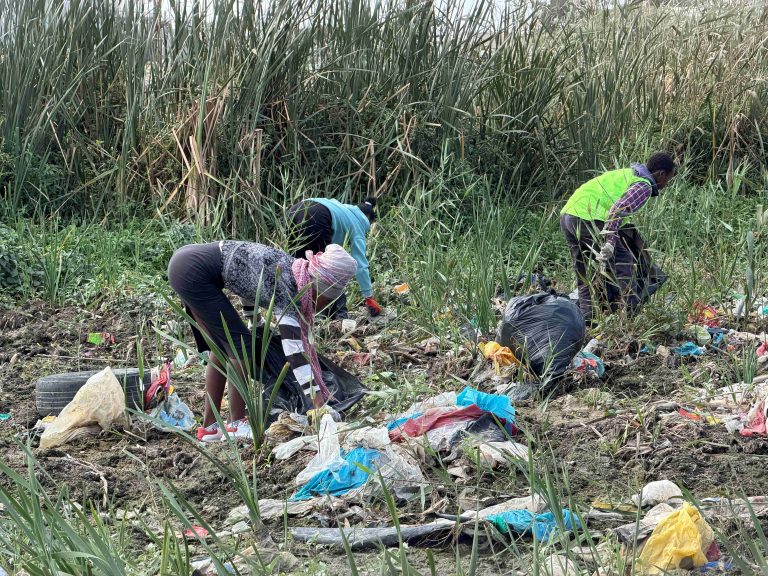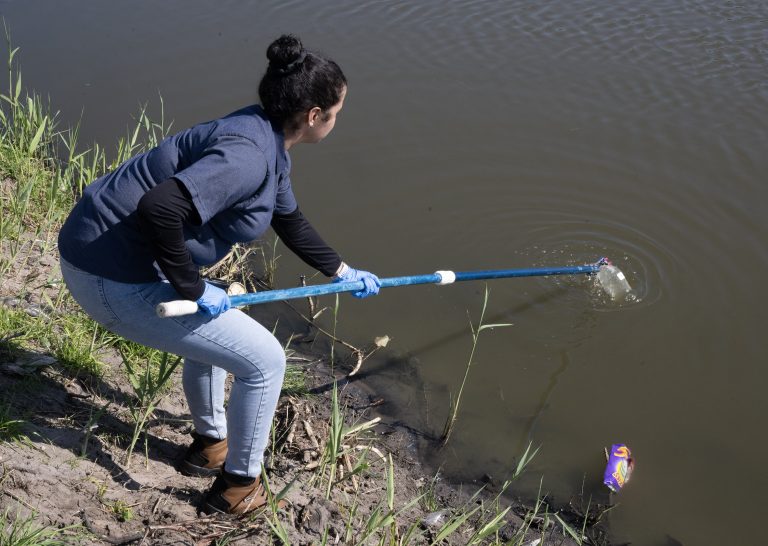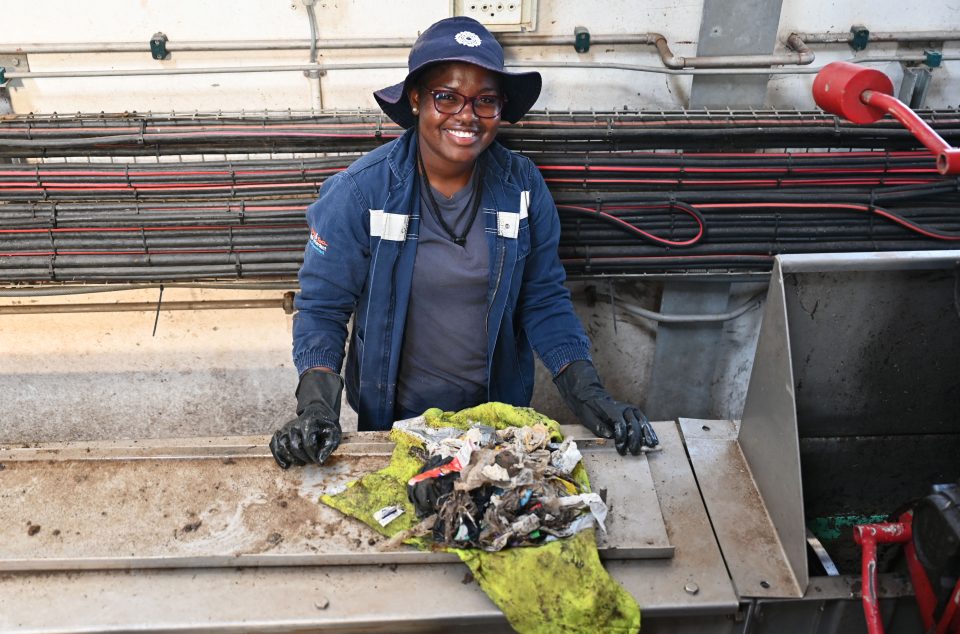
Cape Town is expanding treated effluent infrastructure at Scottsdene Wastewater Treatment Works to save millions of litres of drinking water every single day.
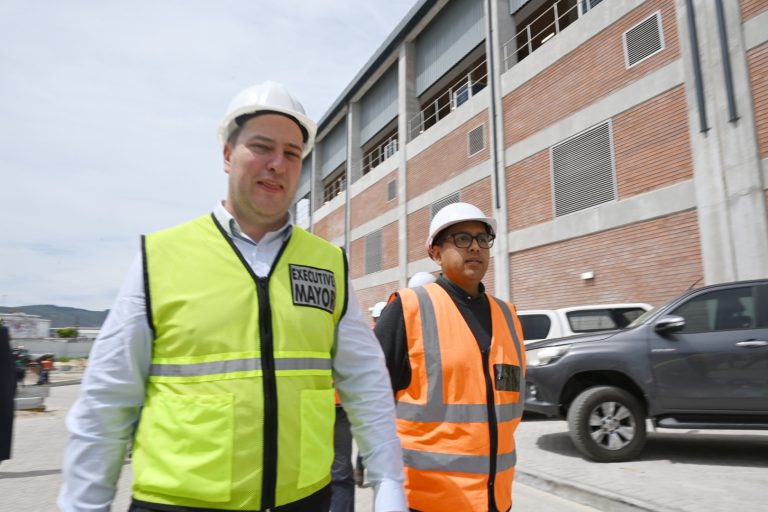
City of Cape Town has completed a new treated effluent pump station at the Scottsdene Wastewater Treatment Works (WWTW), strengthening efforts to improve water sustainability and reduce pressure on drinking water supplies.
The City invested R32.5 million into the project, which is expected to supply up to six million litres of treated effluent daily to customers using alternative water sources for irrigation, construction and industrial activities.
The upgraded facility forms part of Cape Town’s broader water resilience strategy aimed at reducing reliance on potable water for non-drinking purposes.
According to the City, industries, schools, sports facilities, parks and developments across Bellville Industria, Bellville South, Stikland, Glenhaven, Kuils River, Scottsdene, Northpine, Wallacedene, Brackenfell and Protea Heights are encouraged to connect to the treated effluent network.
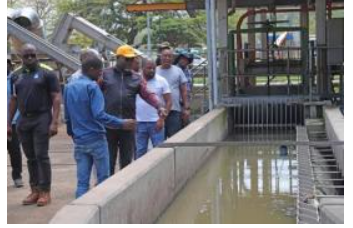
The pump station extracts and filters treated wastewater before distributing it for approved non-potable uses, while excess treated effluent is discharged safely into receiving rivers.
Further expansion plans include extending the Scottsdene treated effluent network by an additional 14 kilometres to increase access to more users.
Mayoral Committee Member for Water and Sanitation, Councillor Zahid Badroodien, said the project plays an important role in protecting scarce water resources.
“Every litre of treated effluent used is a litre of drinking water saved, helping to preserve our scarce water resources,” he said.
Badroodien added that the initiative also creates financial benefits for businesses by offering a more affordable alternative to drinking water.
The Scottsdene Wastewater Treatment Works was originally constructed in 1976 and services communities including Scottsdene, Northpine, Bernadino Heights, Wallacedene and Bloekombos.
Over the years, the plant has undergone several major upgrades to meet growing demand linked to population growth and housing development in the area.
The City says treated effluent is currently supplied from nine wastewater treatment plants across Cape Town and remains an important part of the municipality’s long-term sustainability and water security planning.