
South Africa’s invitation to the world is simple: “South Africa Awaits – Come Find Your Joy.” For one traveller, that joy may be a first safari. For another, it is a meal that becomes a long conversation, a live performance, or the pleasure of returning to a place they thought they knew. The campaign speaks to something deeply personal: people travel for experiences that stay with them.
Yet a destination brand makes a promise. The work of tourism is to deliver it, from the first search to the journey home.
This year’s World Tourism Day theme, “Digital Agenda and Artificial Intelligence to Redesign Tourism,” asks us to consider how technology can improve that journey. For South Africa, the most useful question is a practical one: can we help more people find the experience that is right for them, plan it with confidence and enjoy it with less friction?
A traveller considering South Africa may already be drawn to our landscapes, wildlife, food and culture. But inspiration alone does not complete an itinerary. They need to know how to get between places, what an experience costs, whether it suits their interests and how to book it. If those answers are difficult to find, we risk losing a visitor who was ready to come.
Better digital information can close that gap. A traveller should be able to move from seeing a compelling story to finding reliable details and a clear path to booking. A smaller tourism business should have a fair opportunity to appear in that journey. And when people ask questions in their own language or search for a trip built around their particular interests, emerging AI tools could help them explore possibilities they might otherwise miss.
We should be clear about the limits, too. AI can suggest a route; it cannot guarantee that a road is easy to travel. It can describe a local experience; it cannot create the welcome a visitor receives there. Information must be accurate and kept current. Recommendations should reflect the breadth of South Africa, including businesses and places that may have less money to spend on promotion. Trust is part of the visitor experience.
That is why this agenda requires work across the sector. South African Tourism can build demand and make the destination visible. Travel businesses can make experiences easier to find and buy. Public partners can improve the information and conditions that help visitors move with confidence. Working together, we can identify the points where interest falls away and decide which changes would make the greatest difference.
The opportunity goes beyond making existing trips easier to book. South Africa has many stories that visitors may never encounter if we repeatedly show them the same familiar itinerary. Good digital discovery can help a conference delegate make the most of an extra day, encourage a repeat visitor to explore another province, or connect a family with an experience that fits its budget. When those choices bring visitors to local guides, restaurants and smaller businesses, the benefits of tourism can travel further.
As marketers, we should measure whether that is happening. Reach tells us if our message has been seen. We also need to know whether people can act on what they see: whether they find relevant experiences, progress from planning to booking, travel more widely and leave wanting to return. Their questions and frustrations are as valuable to us as their photographs and praise.
“Come Find Your Joy” is a confident invitation because South Africa offers so many ways to answer it. The digital agenda gives us an opportunity to make that invitation easier to accept.
Our task is to use the tools thoughtfully, improve the journey honestly and ensure that the experiences people find are every bit as compelling as the promise that brought them here.
BIO:
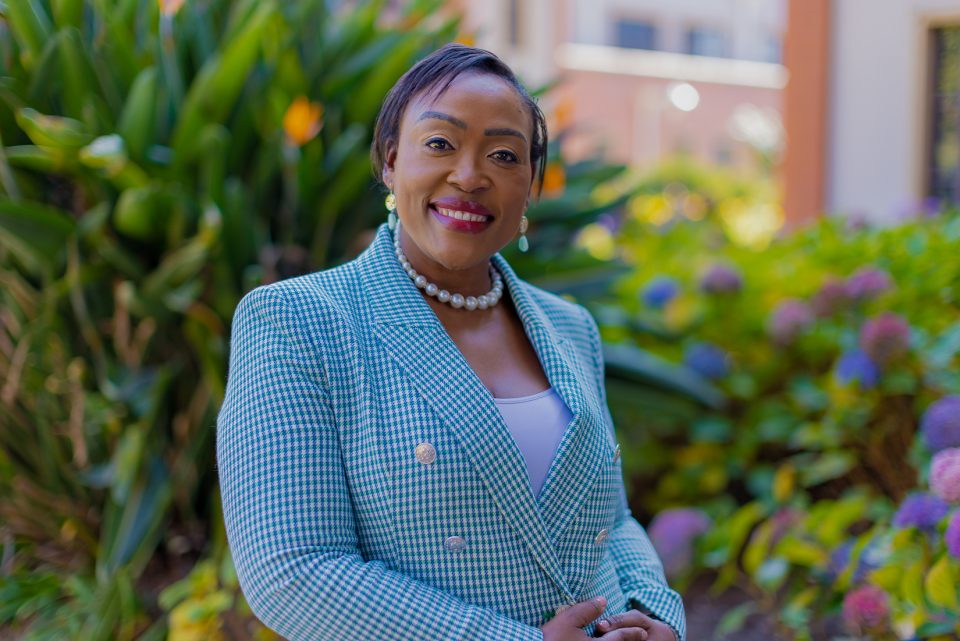
Sithembile Ndaba is the Chief Marketing Officer of South African Tourism, with more than 25 years of experience in brand strategy, integrated marketing and reputation management. Before joining South African Tourism in April 2026, she served as General Manager: Marketing at Brand South Africa and held several senior executive roles, contributing to the development of South Africa’s nation brand and international positioning.
