
South Africa’s National Biodiversity Strategy and Action Plan Consultative Conference has concluded with a strong call for more inclusive, people-centred biodiversity implementation across the country.
The two-day conference, hosted in Boksburg from 20 to 21 May 2026, formed part of South Africa’s programme leading up to the International Day for Biological Diversity Global Flagship Event, hosted locally under the theme “Acting Locally for Global Impact.”
Convened by the Department of Forestry, Fisheries and the Environment, the conference brought together more than 400 delegates from government, civil society, academia, Indigenous Peoples and local communities, youth formations, development partners and the private sector.
The discussions focused on strengthening South Africa’s revised National Biodiversity Strategy and Action Plan (NBSAP), which serves as the country’s primary framework for implementing the Convention on Biological Diversity.
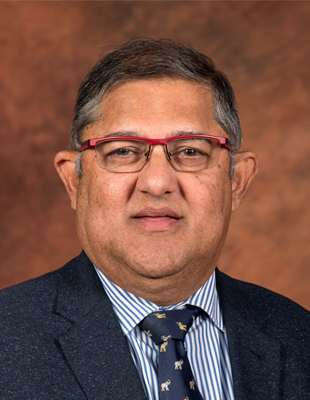
Deputy Minister of Forestry, Fisheries and the Environment, Narend Singh, said the conference highlighted the importance of ensuring biodiversity action benefits communities directly.
“What emerged clearly is that biodiversity action must be people-centred, locally driven and adequately supported,” said Singh.
“As we move toward finalising the NBSAP, communities, municipalities, young people, traditional knowledge holders and all sectors of society must remain active partners in protecting nature while advancing livelihoods, resilience and sustainable development.”
Delegates emphasised the need for stronger support mechanisms for municipalities, recognising their critical role in environmental implementation and service delivery at local level.
Participants also called for improved access to financial resources for community-led conservation initiatives, including greater investment in skills development, project preparation and nature-positive economic opportunities.
Youth participation emerged as another major focus area, with delegates stressing that young people should play a more central role in biodiversity leadership, innovation and employment opportunities.
The conference further reinforced the importance of Indigenous and local knowledge systems in conservation, restoration and biodiversity stewardship efforts across South Africa.
The Department of Forestry, Fisheries and the Environment said the draft NBSAP will now be revised to incorporate stakeholder inputs before proceeding through intergovernmental processes and a 30-day public comment phase.
South Africa aims to submit the final NBSAP to the Convention on Biological Diversity ahead of COP17, scheduled to take place in Yerevan, Armenia, in October 2026.
