
Femagene has launched a new initiative, #FemEffect, aimed at addressing period poverty by donating menstrual cups to women who lack access to menstrual care. The campaign links product purchases to donations, with one menstrual cup given to a woman in need for every Femagene item sold.
In partnership with the non-profit organisation Ubuntu, the campaign seeks to provide a sustainable solution for menstrual health management while also challenging the stigma surrounding menstruation. According to Ubuntu spokesperson Amkela Makhanya, an estimated 7 million girls in South Africa do not have access to basic menstrual products.
“Access to menstrual care is a fundamental right,” said Makhanya. “Femagene’s contribution is not just a donation; it’s a meaningful step toward ensuring dignity, reducing stigma, and breaking the cycle of period poverty.”
Lindie Pretorius, speaking on behalf of Femagene, said the campaign is rooted in a commitment to women’s health and empowerment. “We believe that when women are supported with the right tools, they are better equipped to face challenges and lead with confidence,” Pretorius said.
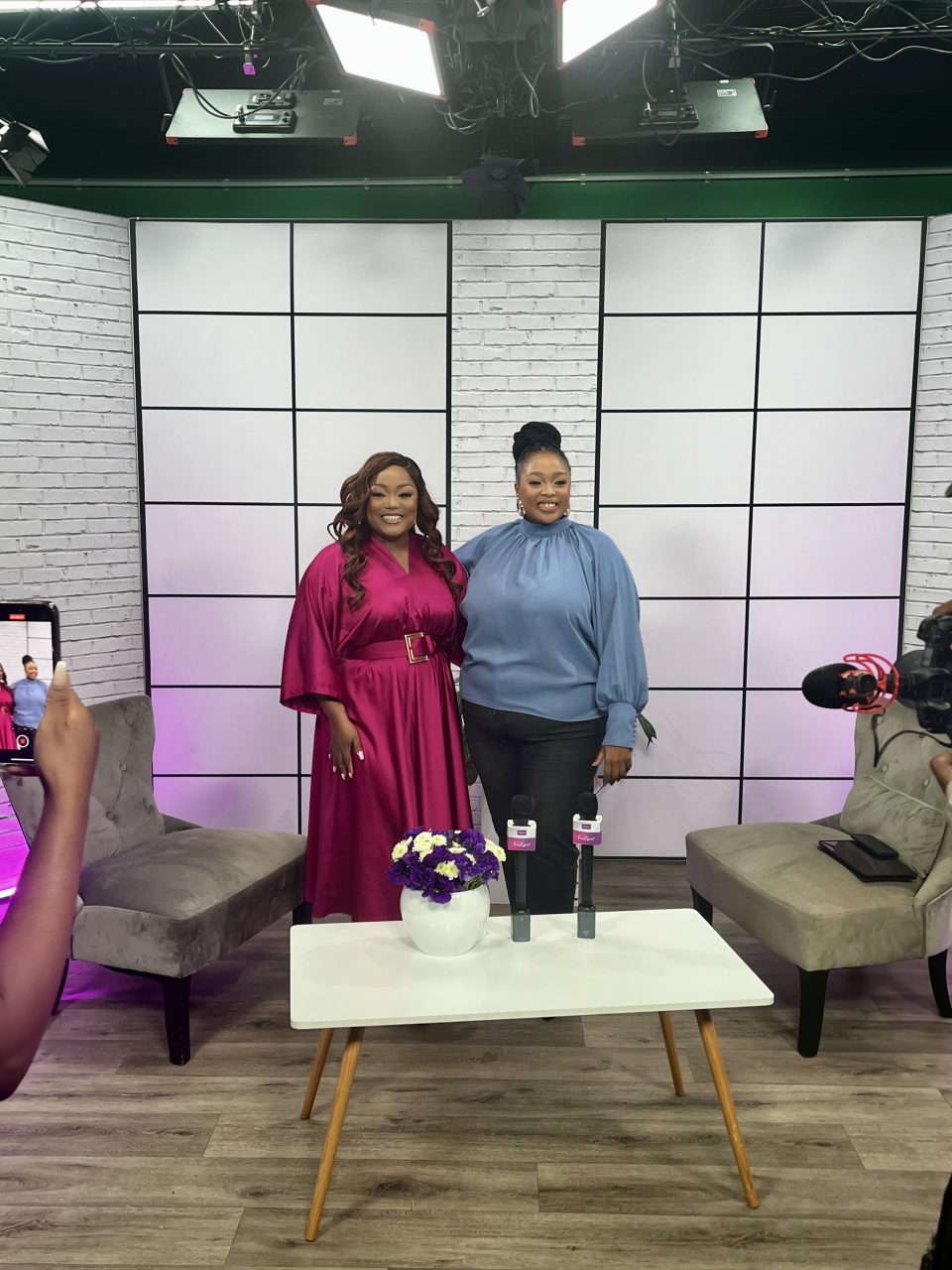
The campaign also includes a digital storytelling component. A TikTok series hosted by broadcaster and producer Relebogile Mabotja features well-known South African women, including Mpoomy Ledwaba, Amanda Dambuza, Pamela Mtanga, and Thobile Khumalo. These voices speak candidly about self-confidence, mental health, body image, and navigating societal expectations.
“Confidence isn’t just about how we look—it’s about how we show up,” said Pretorius. “By sharing these stories, we hope to inspire more women to take control of their lives.”
While South Africa continues to face widespread challenges in menstrual health access, initiatives like #FemEffect are bringing much-needed attention to the issue—and offering practical support to those affected. The campaign encourages consumers to make informed choices that contribute to both personal well-being and collective empowerment.
Femagene’s message is clear: supporting women’s health is not only possible but essential—and it begins with small actions that can make a lasting impact.
