
Independent crash test findings are strengthening consumer awareness and driving accountability, reinforcing the importance of transparent vehicle safety standards across African automotive markets today.
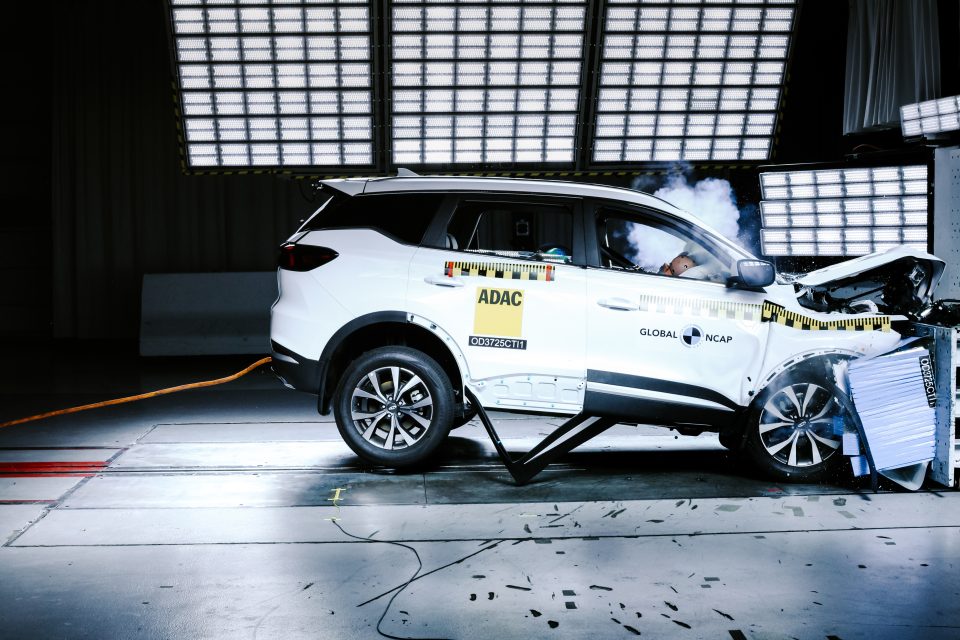
The Automobile Association (AA) has raised important consumer protection concerns following the latest #SaferCarsForAfrica crash test results from Global NCAP, which assessed the Chery Tiggo 7 Pro currently on sale in South Africa. The vehicle received a two-star rating for adult occupant protection, highlighting safety shortcomings that reinforce the need for transparent safety standards and stronger regulatory alignment to protect motorists.
The test results showed that the entry-level Tiggo 7 Pro lacks standard side head protection for both front and rear occupants. This absence meant that a side pole impact test could not be performed, as Global NCAP protocols require side head protection to evaluate this scenario. The footwell area and bodyshell were also found to be unstable and not capable of withstanding further loadings, which could increase injury risk during a collision.
Child occupant protection was rated at three stars. However, the Child Restraint System (CRS) revealed limitations, including failed installation in certain rearward-facing positions and the absence of an option to deactivate the passenger airbag when placing a rearward-facing child seat in the front passenger position. This finding underscores the importance of clear safety information for families transporting young children.
Global NCAP Chief Executive Officer, Richard Woods, emphasised the importance of accurate safety communication to empower consumers. He stated:
“A two-star rating for the Tiggo 7 Pro is very disappointing, but this poor result is seriously compounded by the publication of misleading information on crash test results from other markets. South African consumers need independent and accurate information to inform their purchasing decisions. Transparency and accountability on vehicle safety, not marketing smoke and mirrors, is fundamental to consumer safety”.
The AA also raised concerns regarding recent local crash demonstrations conducted outside the Global NCAP framework, noting that consumers should rely on independently verified safety assessments relevant to African markets. AA Chief Executive Officer, Bobby Ramagwede, stated:
“We note with concern the recent crash test conducted by Chery SA locally, which we deem as both an unsafe exercise and one misleading based on the principles of the NCAP studies undertaken in this critical area of safety. We further note recent media releases around the Tiggo 7 CSH and its five-star Euro NCAP rating – and again find this information one-sided as it does not flag the safety inadequacies of the entry-level models in this very range. Euro NCAP ratings are also specific to that market, for a rating to be recognised locally the vehicle needs to be assessed under the #SaferCarsForAfrica campaign conducted by Global NCAP.”
Ramagwede further highlighted broader structural challenges affecting vehicle safety equity across global markets, reinforcing the importance of consistent safety standards. He said:
“We have been asked repeatedly by the local consumer to start testing Chinese vehicle brands for local NCAP safety ratings. These latest results highlight two key areas, a continuing pattern in which vehicles sold in Africa do not offer the same safety standards as other regions, alongside a heightened campaign to avoid disclosing to the local consumer the broader safety picture across a specific vehicle range.”
He added that improving safety standards remains essential to protecting motorists and strengthening consumer trust in the automotive sector.
“We’ve said it before and we’ll say it again, South African motorists deserve better, irrespective of source or price-point of a vehicle, with this two-star rating reinforcing the urgent need for all manufacturers to commit to equal safety for all markets. This result underlines why Africa urgently needs stronger regulatory standards and greater manufacturer accountability.”
The AA reiterated that vehicle safety transparency plays a critical role in advancing public safety, strengthening consumer protection, and ensuring that motorists across Africa have access to vehicles that meet internationally recognised safety benchmarks. The organisation also continues to support initiatives such as the #SaferCarsForAfrica campaign, which aims to improve vehicle safety standards and provide consumers with independent, evidence-based information to guide purchasing decisions.
Global NCAP, which has conducted more than 100 safety assessments across Africa and India since 2014, continues to play a key role in strengthening road safety awareness and encouraging manufacturers to prioritise safety innovation. These independent assessments contribute to safer mobility ecosystems by promoting accountability, transparency, and improved vehicle safety performance, ultimately supporting the wellbeing of drivers, passengers, and communities across the continent.
