
Cape Town is reshaping how communities influence development by opening up spatial planning to residents, turning technical city-building decisions into a shared, participatory process rooted in local voices.
The City of Cape Town has launched the Spatial Planning Collective, a new platform designed to educate, empower and engage residents and stakeholders in how spatial planning decisions are made in their neighbourhoods and subcouncils. The initiative responds to growing public interest in how land use, development and infrastructure shape daily life, economic opportunity and long-term sustainability.
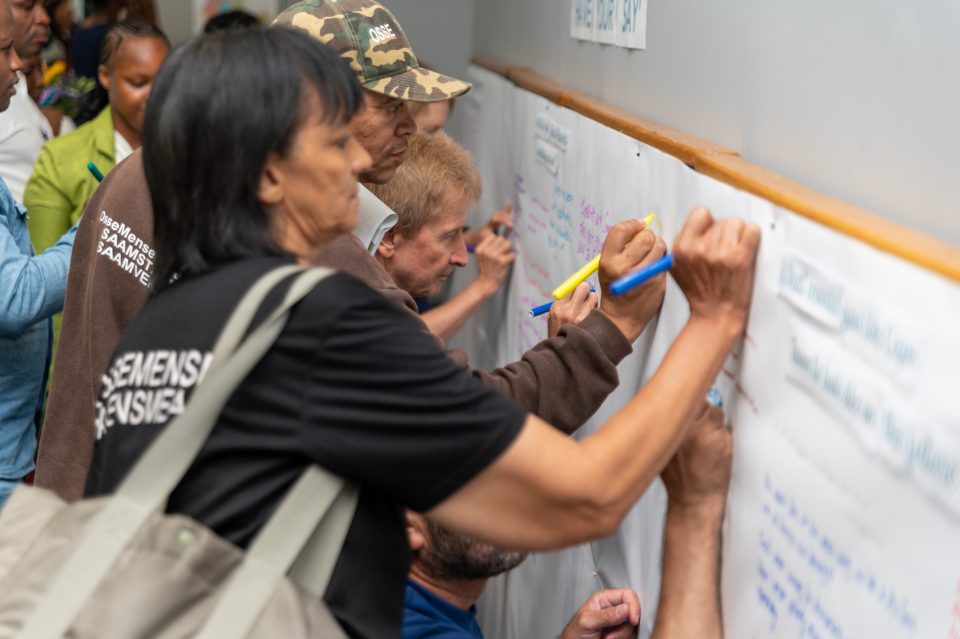
More than 220 nominated community representatives attended the launch at the Civic Centre, representing residents’ associations, civic organisations and stakeholder groups across all 20 subcouncils. These representatives will now serve as formal points of engagement between their communities and the City on spatial planning matters.
Spatial planning determines where housing is built, how transport networks evolve, where businesses can operate and how cities respond to population growth, climate pressures and economic change. Yet for many residents, these processes have historically felt inaccessible, technical and removed from everyday experience.
City leadership acknowledges this gap. The Spatial Planning Collective has been created to build shared understanding, provide practical training and enable meaningful participation so residents can contribute constructively to shaping spatial policies that affect their areas.
At the launch, participants engaged directly with senior planning officials and received hands-on training on how to read spatial maps, understand planning frameworks and interpret the policies that guide development decisions. This included insight into the City’s long-term spatial vision, historical development patterns and the pressures created by rapid urban growth.
The programme is led by the City’s Urban Planning and Design Department and is intended to function as an ongoing forum rather than a once-off consultation. Each subcouncil will host its own Spatial Planning Collective, allowing discussions to reflect the unique challenges, assets and opportunities of different neighbourhoods.
Further skills development is planned, including training on public participation processes, budgeting, environmental planning, housing delivery, transport, climate resilience and local economic development. These focus areas recognise that spatial planning intersects directly with social equity, access to opportunity and quality of life.
By equipping residents with knowledge and structured channels for engagement, the City is shifting spatial planning from a top-down process to a collaborative one. The goal is not only better-informed communities, but better-informed decisions that reflect lived realities on the ground.
The Spatial Planning Collective represents a form of social innovation in governance, strengthening social capital by building trust, transparency and shared responsibility between the City and its residents. It positions communities not as passive recipients of planning outcomes, but as active partners in shaping a more inclusive, resilient and sustainable Cape Town.
