
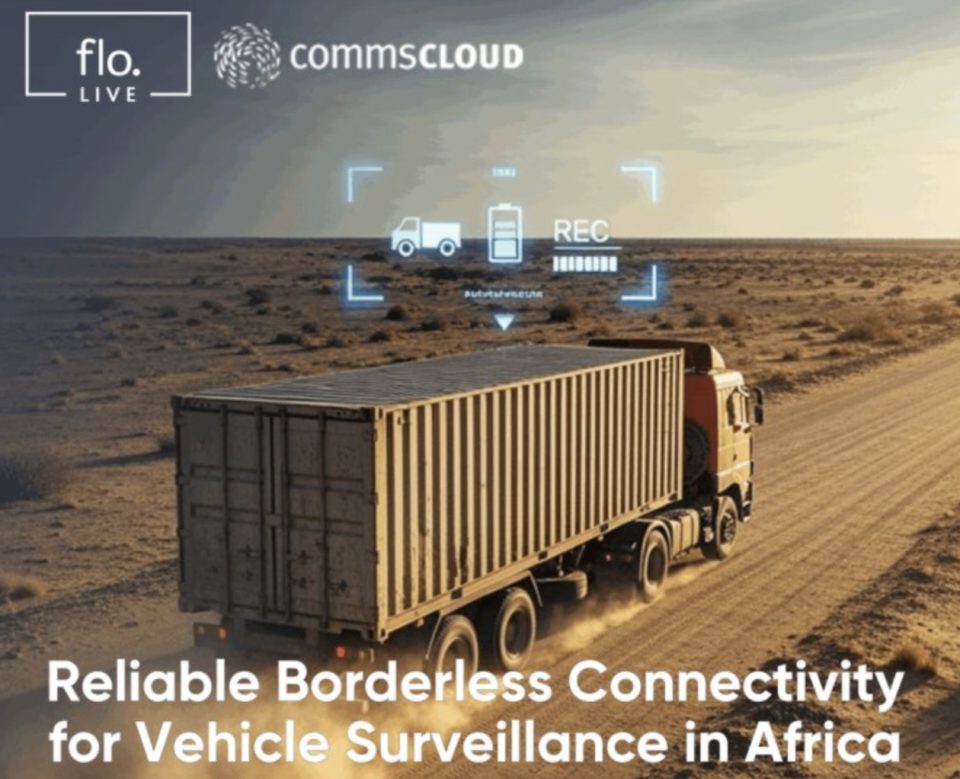
Africa’s intra-continental trade could double by 2035, and new connectivity solutions along key freight corridors are emerging as a powerful enabler of safer, smarter and more inclusive logistics.
As trade across Africa accelerates under the African Continental Free Trade Area (AfCFTA), the logistics sector is undergoing a quiet but significant transformation. At the centre of this shift is digital connectivity, increasingly recognised as essential infrastructure for modern trade, not a luxury add-on.
Across major trade routes linking ports, cities and landlocked economies, logistics operators rely on connected technologies to track cargo, manage fleets, monitor safety and ensure goods arrive intact and on time. When connectivity fails, the impact is felt across supply chains, affecting businesses, workers and consumers alike.
According to Peter Walsh, managing director of IoT connectivity provider CommsCloud, Africa’s logistics corridors have long been constrained by fragmented mobile networks, unreliable roaming and connectivity drop-offs at borders. These challenges have limited the effectiveness of IoT devices that enable real-time visibility and operational efficiency.
For fleets operating across multiple countries, uninterrupted connectivity supports more than efficiency. It reduces safety risks, prevents cargo losses, improves customer confidence and enables better data-driven decision-making. Continuous data streams also strengthen the use of analytics and artificial intelligence, helping logistics providers optimise routes, reduce fuel use and lower emissions.
Africa’s cross-border road freight sector is growing rapidly, driven by rising trade volumes and increasing demand for regional supply chains. High-value and sensitive cargo categories such as retail goods, precious materials and temperature-controlled products depend heavily on reliable digital monitoring to protect quality and security.
A key innovation gaining traction is the use of SIM technology that automatically connects IoT devices across multiple mobile networks and regions. Unlike traditional SIMs that depend on a single network or limited roaming agreements, multi-IMSI, multi-core network SIMs allow seamless switching between networks as vehicles move across borders and remote areas.
This approach treats connectivity as a shared, cross-border resource, aligning digital infrastructure with Africa’s increasingly integrated trade landscape. For logistics operators, it means trucks remain online from departure to destination, without manual intervention, service disruptions or unexpected roaming costs.
CommsCloud, working with regional and global connectivity partners, is applying this model across key African trade corridors, enabling localisation of data traffic and access to high-volume connectivity at competitive rates. The result is more resilient logistics operations that support businesses of all sizes.
Beyond the logistics sector, improved connectivity along freight routes delivers wider social and economic benefits. It strengthens regional trade competitiveness, supports small and medium enterprises reliant on reliable transport, and contributes to job security across transport, warehousing and retail value chains.
As Africa moves toward deeper economic integration, modern connectivity is emerging as a quiet enabler of inclusive growth. By ensuring that digital infrastructure keeps pace with physical trade routes, initiatives like these help unlock the full potential of intra-African trade — for economies, communities and future generations.
