
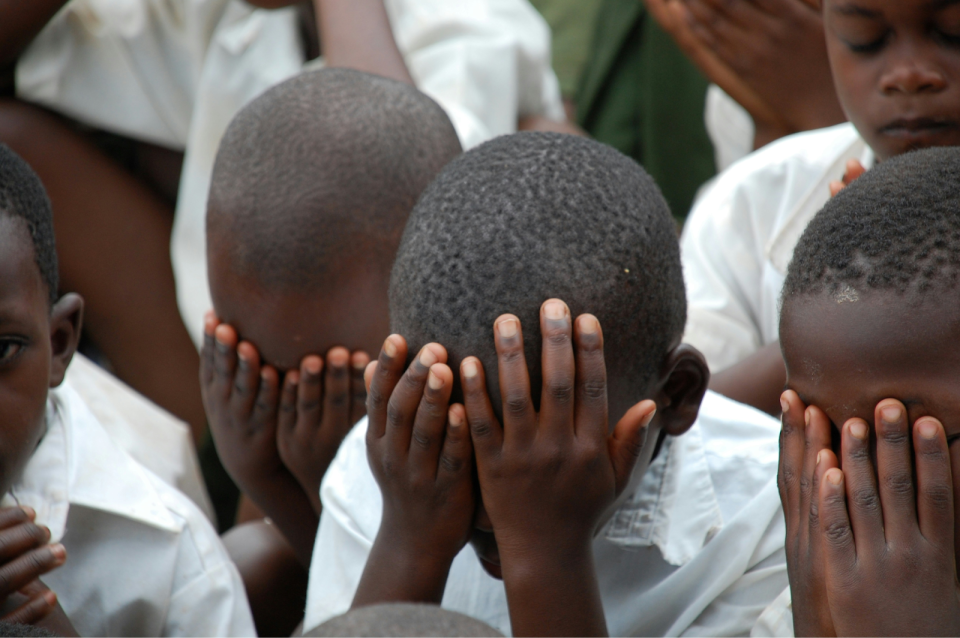
A new study by the University of the Western Cape (UWC) has shed light on the relentless bullying and discrimination faced by Congolese refugee children in Cape Town schools — exposing the harsh reality many families encounter after fleeing war only to find hostility in South African classrooms.
Conducted by Master’s student Adelina Nakatya Ntagwera, the study focused on 20 Congolese parents whose adolescent children attend schools in Maitland and Parow. The families, displaced from the conflict-ridden Kivu province in the Democratic Republic of Congo (DRC), shared harrowing accounts of xenophobia, racism, and systemic neglect within local education institutions.
“They push him, swear at him, and tell him he doesn’t belong here,” said Sakina, a mother whose son was physically assaulted and mocked for his accent.
Children were frequently called slurs such as “makwerekwere” and “black boy,” while others were mocked for their French names, DRC heritage, or older age due to being held back in lower grades. One child tragically died by suicide after enduring relentless bullying over his clothing. In his note, he detailed the pain he suffered daily at school.
The research, conducted during the COVID-19 pandemic and amid protests by Congolese refugees seeking resettlement, found that mistreatment often extended beyond classmates. Teachers and school officials were also implicated. One Xhosa-speaking teacher reportedly refused to translate lessons, telling a Congolese girl, “This is not your country.” Another administrator publicly shamed a student for unpaid school fees.
Romauld Nsombamanya, a 24-year-old rugby captain at UWC and DRC native, echoed these experiences. He recalled being teased for his stutter, spat on, slapped, and punished by a school principal despite being the victim.
“I was the new kid just trying to fit in. South African kids were very reluctant to accept me,” said Nsombamanya. “It was quite hard, quite intense.”
Even in extracurricular activities, discrimination persisted. Some children were reportedly barred from sports finals due to their refugee status, despite qualifying.
Yet amid the trauma, small acts of kindness stood out. Teachers like Ms. McKay at Pinedene Primary helped bridge language barriers, and some children found refuge in friendships with peers who protected them from bullies.
Parents interviewed in the study called for urgent reforms: the enforcement of anti-bullying policies, educator training on xenophobia and racism, and support systems for refugee learners — especially around language and integration.
“We came here for safety,” said one parent, “but our children are fighting another war — this time in the classroom.”
While Ntagwera acknowledged the study’s limitations due to its small sample size, the findings underscore a deeper issue of systemic exclusion in the education system. The study serves as a wake-up call for institutions to protect vulnerable children seeking refuge and belonging in South Africa’s schools.
