
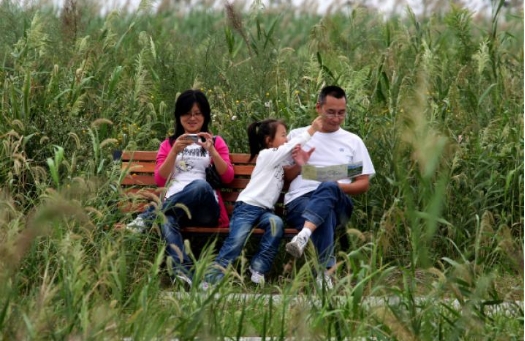
The United Nations says stronger family support systems are essential to reducing inequality and improving child wellbeing as families face growing social and economic pressures worldwide.
Families remain at the heart of communities, shaping the wellbeing, development and future opportunities of children around the world.
As the world marks the International Day of Families on May 15, the United Nations has announced the 2026 theme: “Families, Inequalities and Child Wellbeing.”
The theme highlights how widening inequalities continue to affect family life and children’s futures, while calling for stronger investment in family-oriented support systems and policies.
According to the United Nations, many families continue to face income insecurity, limited caregiving support and unequal access to essential services such as healthcare, education and childcare. These pressures can have lasting effects on children’s health, education and overall wellbeing.
The organisation says inequalities linked to gender, race, disability and migration status often deepen these challenges, particularly for vulnerable communities.
This year’s observance will focus on the importance of integrated social protection systems, including child benefits, parental leave, affordable childcare and early childhood education.
The International Day of Families was officially proclaimed by the United Nations General Assembly in 1993 and is observed annually to raise awareness about the social, economic and demographic factors affecting families globally.
The United Nations also notes that family-oriented policies are critical to achieving many of the Sustainable Development Goals, including reducing poverty, improving education outcomes and promoting equality.
As conversations around inequality, economic pressure and social development continue globally, the observance serves as a reminder that supporting families remains central to building healthier and more resilient societies.
