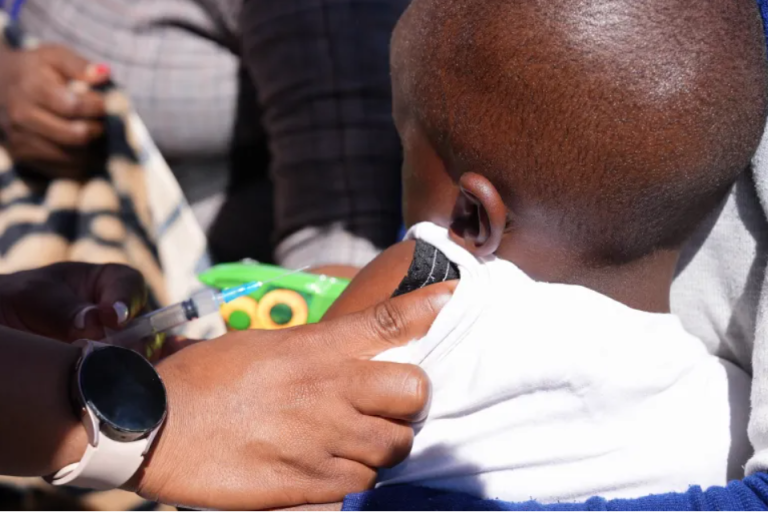
Affordable medicines, pharmaceutical innovation and partnerships between governments, healthcare providers and the private sector are helping transform Africa’s response to HIV, demonstrating how commercial innovation can deliver meaningful social benefits when access to healthcare becomes a shared priority.
For South Africa, where approximately eight million people are living with HIV and more than six million receive treatment, the progress represents one of the continent’s most significant public health achievements. Yet the next challenge is ensuring that emerging prevention technologies reach communities that remain disproportionately affected by new infections.
Paul Miller, CEO of Cipla Africa, believes the transformation of HIV treatment over the past three decades offers a powerful example of how pharmaceutical innovation, affordability and collaboration can address major societal challenges.
Reflecting on the 2026 International AIDS Conference in Brazil, Miller highlighted how expanding access to medicines has changed the trajectory of HIV care, while calling for stronger investment in prevention, local manufacturing and sustainable healthcare partnerships.
During the late 1990s, antiretroviral treatment could cost more than US$12,000 per patient annually, placing life-saving medicines beyond the reach of millions of people across developing countries.
A significant turning point came in 2000 when Cipla’s then-chairman, Dr Yusuf Hamied, committed to making HIV treatment available for approximately one US dollar a day.
According to Miller, the cost of some HIV treatment regimens has since fallen to just over R100 a month, illustrating how generic medicine production and affordability initiatives have contributed to expanding access.
The reduction in treatment costs, alongside government programmes, healthcare worker dedication and community partnerships, has enabled millions of South Africans to access medication that can allow people living with HIV to lead long and healthy lives.
South Africa now operates one of the world’s largest HIV treatment programmes.
According to UNAIDS figures cited in Miller’s commentary, approximately 81% of people living with HIV in South Africa were receiving treatment in 2024.
The progress illustrates the importance of shared responsibility between the public and private sectors, with pharmaceutical manufacturers contributing medicines and production capabilities, governments supporting treatment programmes, healthcare professionals delivering services and community organisations helping people access care.
However, substantial inequalities remain.
UNAIDS figures referenced by Miller indicate that women and girls accounted for 59% of new HIV infections in South Africa.
The Human Sciences Research Council’s national HIV survey also found that HIV prevalence among women aged 15 to 24 was 6.9%, compared with 3.5% among males of the same age group.
These figures underline the importance of targeted prevention programmes that address the particular circumstances of young women and communities facing barriers to healthcare.
Miller believes the next phase of innovation must therefore extend beyond treating HIV to preventing new infections through technologies that are easier to access and maintain.
One of the most important scientific developments has been the understanding of Undetectable = Untransmittable, commonly known as U=U.
When a person living with HIV takes effective antiretroviral treatment and maintains an undetectable viral load, they do not sexually transmit HIV to their partners.
This scientific understanding has strengthened the role of treatment as both a life-saving intervention and an important component of prevention.
Nevertheless, new infections continue to present a major public health challenge.
Miller’s commentary estimates that approximately 500 South Africans acquire HIV every day, highlighting the need for prevention programmes that can reach more people.
Oral pre-exposure prophylaxis, commonly known as PrEP, has already demonstrated its effectiveness in preventing HIV when taken as prescribed.
Emerging long-acting prevention technologies, including injectable options administered every few months or twice a year, could provide additional choices for people who struggle to maintain daily medication routines.
These developments may be particularly important for young people and vulnerable communities where adherence, stigma and access to healthcare services remain challenges.
However, Miller argues that the success of new prevention technologies will depend on more than scientific progress.
“Scientific breakthroughs save lives only when people can afford them, access them and benefit from them,” Miller wrote in his commentary.
His observation highlights the role that responsible pharmaceutical practices and collaborative healthcare models can play in ensuring innovation produces measurable public health benefits.
Voluntary licensing agreements between pharmaceutical innovators and generic medicine manufacturers are among the approaches being used to expand access to newer medicines.
Under such arrangements, manufacturers can be authorised to produce medicines for specified markets, potentially increasing supply and making treatment or prevention options more affordable.
These partnerships illustrate how pharmaceutical innovation and commercial cooperation can contribute to broader healthcare objectives.
For Africa, the opportunities extend beyond access to medicines.
Miller identifies local pharmaceutical manufacturing as a critical component of building stronger and more independent healthcare systems.
Producing essential medicines closer to the communities that need them can reduce dependence on international supply chains, strengthen health security and create opportunities for employment and technical skills development.
Cipla has prioritised local manufacturing as part of its approach to improving access to medicines, reflecting the potential for pharmaceutical production to contribute to both healthcare outcomes and economic development.
“This is not simply a healthcare conversation. It is also an economic and developmental one,” Miller wrote.
The relationship between pharmaceutical production and wider development illustrates the potential of shared-value approaches, where business activity can contribute to addressing social needs while supporting industrial capabilities and economic participation.
However, the extent of those benefits depends on sustained investment, competitive production, appropriate regulation and the ability to deliver medicines affordably.
The importance of developing African manufacturing capabilities has become increasingly apparent as changes in international healthcare funding raise questions about the long-term sustainability of HIV programmes.
Although international partnerships have played a significant role in expanding treatment, greater domestic and regional capacity could help African countries respond more effectively to future healthcare challenges.
Local manufacturing also creates opportunities for collaboration between pharmaceutical companies, research institutions, governments and healthcare providers.
These relationships can strengthen the networks, knowledge-sharing and institutional capabilities needed to address complex public health challenges.
South Africa’s HIV response already demonstrates the value of such collaboration.
Government treatment programmes, pharmaceutical innovation, healthcare delivery and community-based support have collectively contributed to making HIV treatment accessible to millions of people.
The challenge now is to extend that cooperation to prevention technologies and ensure that vulnerable populations are not excluded from the next generation of healthcare innovation.
For companies operating in the pharmaceutical sector, affordable medicine access, responsible partnerships and investment in local capabilities also form part of the wider social responsibilities associated with sustainable business practices.
Within an environmental, social and governance framework, these activities can contribute to healthcare equity, responsible business conduct and long-term community development.
However, meaningful progress must ultimately be assessed through improvements in treatment availability, prevention access, affordability and health outcomes.
Miller believes that continued collaboration between pharmaceutical innovators, generic manufacturers, governments and healthcare providers will be essential to achieving those outcomes.
He also emphasises that prevention technologies must be supported by effective public health services, including testing, early diagnosis, treatment adherence and community education.
These interventions remain especially important for young women and other populations facing disproportionate HIV risks.
For Miller, the advances discussed at the international conference provide grounds for optimism about Africa’s future HIV response.
“The story of HIV in Africa is no longer only about survival. It is increasingly a story about access, dignity, prevention and possibility,” he wrote.
The transformation of HIV treatment over the past three decades demonstrates what can be achieved when scientific innovation is matched by affordability, public investment and collective action.
As new prevention technologies become available, Africa has an opportunity to build on those lessons by strengthening pharmaceutical manufacturing, expanding equitable access and developing partnerships that deliver lasting social and economic value.
The next era of HIV innovation will therefore be measured not only by scientific breakthroughs, but by the communities they reach, the healthcare inequalities they help address and the opportunities they create for a more resilient African healthcare system.