
In an effort to help affected populations tackle climate shocks, the Government of India contributed almost USD one million to the United Nations World Food Programme (WFP) in Zimbabwe.
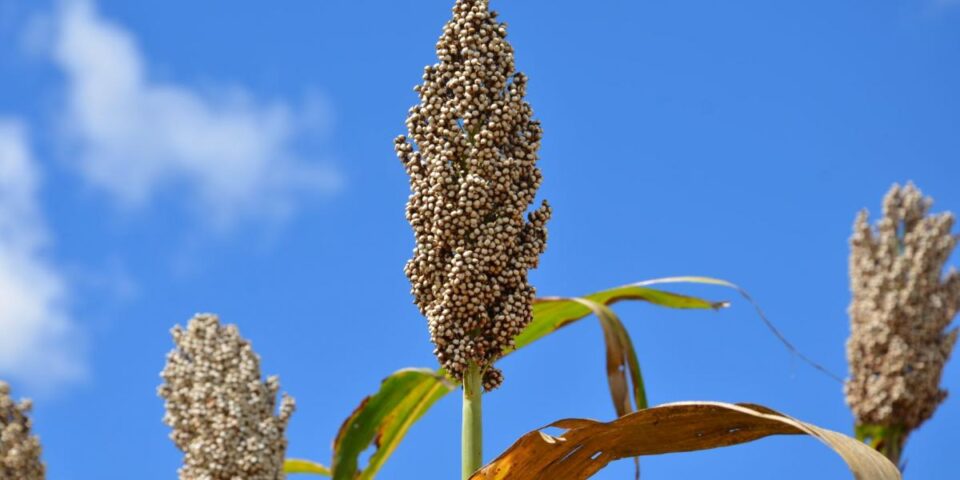
Positively, WFP Zimbabwe will provide expertise through its Smallholder Agricultural Market Support (SAMS) programme, to strengthen the resilience and capacity of selected smallholder farmers. This project is expected to promote the cultivation of drought-tolerant small grains and legumes – reducing the negative effects of recurring droughts in Zimbabwe.
In Chiredzi and Mangwe districts, through the India-UN Development Partnership Fund will assist more than 5200 smallholder farmers. The funding by India highlights its growing contributions to the Global South on efforts towards strengthening resilience to climate change. The country played a role in promoting the adoption of 2023 as the year of millet by the United Nations.
According to the Director of the United Nations Office for South-South Cooperation, Mr Adel Abdellatif, the contribution will ensure the social protection and resilience of smallholder farmers.
Mr Adel Abdellatif said: “Smallholders and family farmers are emblematic of the Global South, and of the challenge to ensure the Agenda 2030 benefits all, including the developing world’s rural and underprivileged communities. Innovations to ensure the social protection and resilience of smallholder farmers abound, with India being a distinct leader developing new and context-appropriate practices to mitigate rural poverty.”
“This project is focused on increasing small grains production and market access. It will provide a good opportunity for successful Southern practices to be tested and scaled, improving the lives of rural Zimbabweans,” Mr Abdellatif further added.
Zimbabwe has been struggling with consecutive years of drought, cyclones, and unpredictable weather patterns. Thus, the investment comes at a critical timing for the country as it relies heavily on agriculture – accounting for approximately 70 percent of the populations’ livelihood activity.
WFP and partners have supported 60,000 smallholder farmers – 70 percent being female-headed households, across 30 rural districts through small grain production activities in Zimbabwe. Between 2020-2021.
