
KwaZulu-Natal women clergy are being urged to use faith leadership to challenge gender-based violence, support survivors and help build safer communities for women and children locally.
KwaZulu-Natal Premier Thamsanqa Ntuli has called on women in the faith sector to use their influence within congregations and communities to strengthen the fight against gender-based violence and femicide.
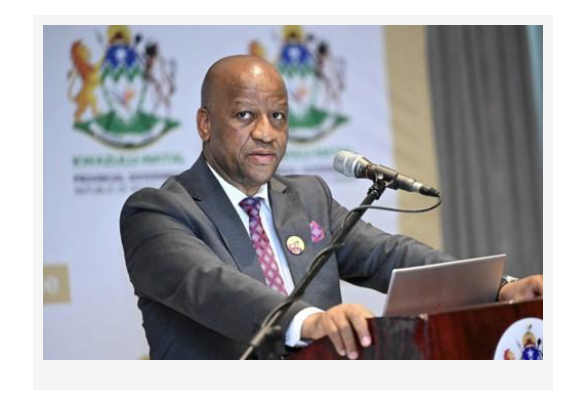
Speaking at the Women in Clergy Workshop in Durban, Ntuli said religious leaders occupy trusted positions that can help challenge harmful attitudes, support survivors and encourage greater accountability within families and communities.
The workshop formed part of the provincial government’s wider efforts to mobilise different sectors of society around preventing violence against women and children.
Rather than treating GBVF solely as a policing or criminal justice challenge, the discussions highlighted the importance of social institutions that shape attitudes, relationships and community behaviour.
Faith organisations are particularly influential because they often engage families during moments of celebration, crisis, conflict and loss, giving religious leaders opportunities to identify abuse, offer support and challenge behaviour that contributes to violence.
Ntuli drew parallels between the role women can play today and the courage demonstrated by the women who marched against apartheid pass laws in 1956.
He encouraged women clergy to bring the same determination, collective leadership and public voice to confronting violence affecting women and children.
“When women raise their voices and unite to fight the cancer of GBVF, such social diseases cease to exist, and communities live in peace and tranquillity,” Ntuli said.
The Premier emphasised that eliminating gender-based violence requires sustained cooperation between government, law enforcement agencies, traditional leaders, civil society, communities and faith-based organisations.
That collective approach recognises that violence often develops within broader social environments where harmful attitudes can become normalised or remain unchallenged.
Churches and other religious institutions can therefore play an important preventative role by promoting respectful relationships, challenging harmful gender norms and creating environments where survivors feel able to seek help.
Delegates at the workshop agreed that religious platforms should be used more actively to promote justice, healing and protection.
Women in the clergy pledged to use their leadership positions to speak openly against abuse and help establish safe spaces for people affected by violence.
The discussions also focused on how faith communities can contribute to behavioural change by addressing attitudes before they escalate into violence.
This includes strengthening conversations around dignity, responsibility, family relationships and the treatment of women and children.
For survivors, trusted faith leaders can also serve as an important point of contact, particularly in communities where people may hesitate to approach formal institutions immediately.
However, effective support requires religious institutions to ensure that survivors are believed, protected and referred to appropriate professional and legal services when necessary.
The workshop further highlighted the need for faith organisations to remain involved in strengthening families and rebuilding communities affected by violence.
Ntuli reaffirmed the provincial government’s commitment to working with faith leaders and other social partners throughout the year rather than limiting GBVF interventions to awareness campaigns or commemorative periods.
That sustained approach is important because violence against women and children is not seasonal and requires continued prevention, education, accountability and survivor support.
The Women in Clergy Workshop ultimately reinforced a broader message: ending GBVF requires more than arrests and prosecutions.
It also requires leadership within homes, congregations and communities where attitudes are formed and where harmful behaviour can either be challenged or allowed to continue.
By using their influence to promote safety, dignity and accountability, women in the faith sector can help turn places of worship into stronger platforms for prevention, support and social change.
