
Cape Town expanded water and sanitation access across informal settlements, installing thousands of toilets and hundreds of taps while improving basic services for vulnerable households citywide.
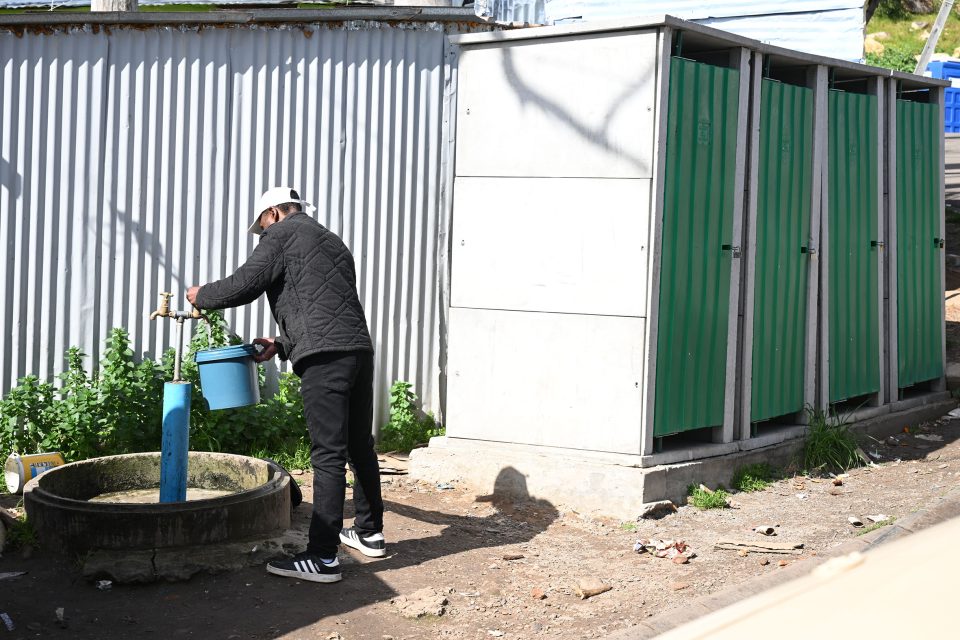
More than 100 informal settlements received 815 new taps and 6,505 new toilets during the 2025/26 financial year as the City of Cape Town continued extending basic water and sanitation infrastructure into communities where permanent services remain limited.
The rollout represents approximately R46 million invested through the City’s Informal Settlements and Basic Services branch and has already exceeded the targets originally set for the financial year.
The City planned to install 750 taps and 4,500 toilets. By year-end, tap installations were almost 9% above target, while the number of toilets delivered was about 45% higher than planned.
For residents, those numbers translate into something much more immediate: shorter distances to water, improved sanitation and greater dignity within communities where households may not have individual connections.
The latest installations bring the total infrastructure provided through the programme to 69,194 toilets and 10,101 taps across 848 informal settlements.
Residents receive the services at no cost, while maintenance and repairs are also funded by the City.
The programme says more than 20,375 households gained new access to clean water during the financial year, while more than 15,193 households benefited from improved sanitation.
Maintenance remains an important part of the investment.
City teams responded to 20,151 water and sanitation service requests in informal settlements during 2025/26, highlighting that expanding infrastructure also creates an ongoing responsibility to keep existing facilities operational.
One community benefiting from the programme is Imizamo Yethu in Hout Bay.
A R1.8 million investment there delivered 110 new full-flush toilets and 34 taps during the financial year.
For densely populated informal settlements, access to functioning sanitation affects more than convenience.
Reliable toilets and clean water support public health, reduce exposure to contaminated environments and provide residents with services that are fundamental to everyday dignity.
Mayoral Committee Member for Water and Sanitation Zahid Badroodien said providing clean water and safe sanitation remained central to improving quality of life.
“Access to clean water and safe sanitation is fundamental to the dignity and quality of life of our residents,” he said.
The expansion has also required the City to respond to changing settlement patterns.
Additional installations were undertaken in newly established informal settlements, while prefabricated toilets that had reached the end of their usable lifespan were replaced.
That flexibility contributed to the programme exceeding its original annual targets.
Infrastructure delivery in informal settlements can be complicated by land ownership, environmental risks, overcrowding, access for construction teams and the physical layout of settlements.
The City says installations are therefore undertaken where they are legally and physically possible.
That limitation makes maintenance of existing infrastructure particularly important in communities where expanding services further may be difficult.
The programme also demonstrates why basic infrastructure investment has a broader social-impact value.
Access to clean water supports household health and hygiene. Safe toilets reduce exposure to disease and unsafe sanitation environments. Reliable services can also reduce the amount of time households spend finding alternative water or sanitation options.
Those benefits are particularly significant for children, older residents and people living with disabilities.
The next phase of investment is already planned.
Cape Town intends allocating another R44 million to informal-settlement basic services during the 2026/27 financial year.
New installations are planned across Gugulethu, Delft, Khayelitsha, Blue Downs, Philippi, Hout Bay, Kraaifontein, Langa, Bloekombos, Strandfontein, Nyanga and Dunoon.
The challenge will be maintaining the pace of expansion while ensuring the thousands of toilets and taps already installed continue functioning.
For communities without household-level connections, a broken communal tap or toilet can affect dozens of people at once.
That makes maintenance, rapid repairs and service-request response times as important as constructing new infrastructure.
The latest figures show both sides of that responsibility: thousands of new facilities were installed while more than 20,000 maintenance and repair requests were attended to.
For Cape Town’s informal settlements, the social impact of the investment is therefore measured one functioning tap and toilet at a time.
The infrastructure may be basic, but the outcome it supports is fundamental: cleaner water, safer sanitation and greater dignity for households that depend on shared municipal services.
previous post
