
Cape Town is about to make history with the launch of South Africa’s first Citizens’ Assembly, and residents are being called to take part. This isn’t just another public meeting; it’s a chance to help shape Cape Town’s future, ensuring that transport works for everyone while tackling climate change head-on.
Citizens’ assemblies have already influenced climate and constitutional policy in Ireland, France and Scotland, proving that ordinary people, given the right tools and information, can make extraordinary contributions to public decision-making. Now, the University of the Western Cape (UWC), via the Politics and Urban Governance Research Group (PUG) and the Centre for Research on Democracy (CREDO) at Stellenbosch University, is taking the lead in South Africa.
The strength of this process lies in its diversity. The more people who register, the more representative the assembly and the stronger its recommendations will be.
PUG spokesperson Dr Meshay Moses said: “A larger, more diverse pool of registrants allows for the random selection to better reflect the full diversity of Cape Town, particularly those who do not typically engage in informal civic processes.”
The Cape Town Assembly on Climate will bring together 100 residents, chosen at random through a process called sortition, similar to jury duty. This ensures the group reflects the full diversity of the city, not just those already active in civic life.
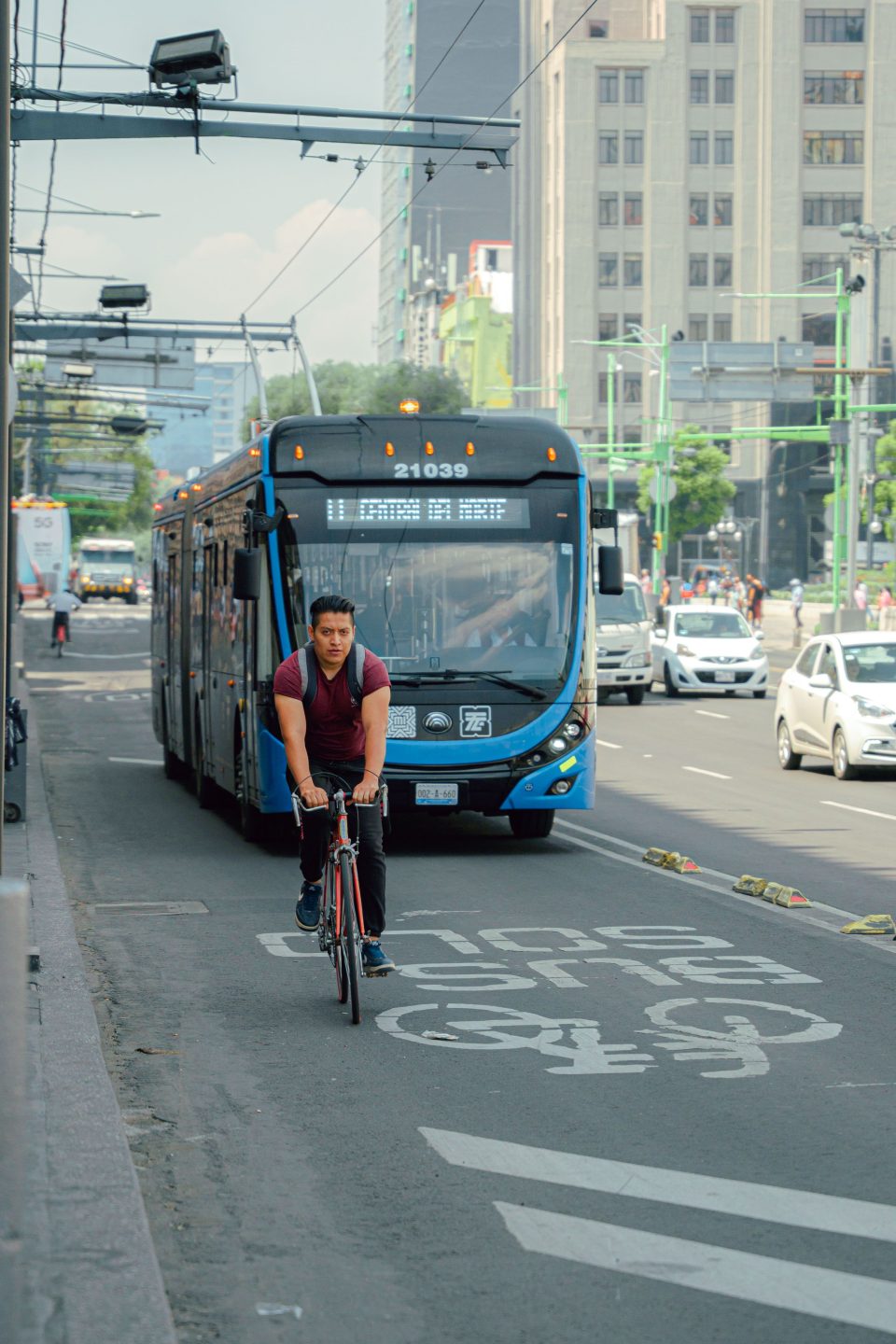
Participants will deliberate on one pressing question: how can Cape Town build a transport system that is equitable, reliable and affordable while reducing pollution and emissions?
Over six Saturday sessions between August and October 2026, participants will meet at the UWC School of Public Health in Bellville.
They will receive expert input, hear evidence and work through trade-offs with skilled facilitators before producing recommendations for decision-makers.
No expertise is required, only a willingness to take part.
To make participation accessible, the assembly offers payment per session, covers travel costs, provides meals and offers childcare on request.
Registration is open until 30 July 2026.
Cape Town residents aged 18 or older can register at capetownassembly.co.za.
Organisers are urging residents not only to register themselves but also to share the invitation widely.
“Every new registrant improves the quality of the assembly and strengthens the collective voice shaping Cape Town’s climate future,” said Dr Moses.
