
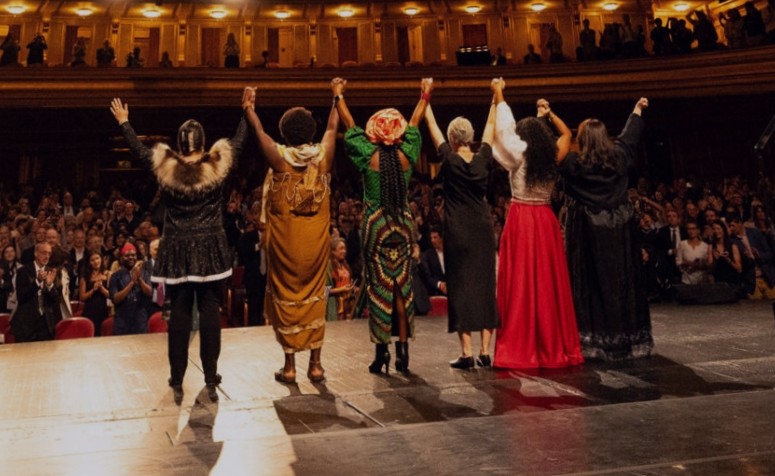
As Earth Month places global focus on environmental action, the 2026 Goldman Environmental Prize has made history — with all six winners being women for the first time.
Often referred to as the “Green Nobel Prize,” the Goldman Environmental Prize recognises grassroots leaders from around the world who are driving meaningful environmental change, often in the face of significant personal and political risk.
This year’s milestone moment reflects a broader shift in climate leadership — one that is increasingly shaped by community-driven action and the growing influence of women on the frontlines of environmental protection.
The 2026 recipients represent six regions across the globe, each addressing deeply rooted environmental challenges within their communities.
In Nigeria, ecologist Iroro Tanshi led a community-based wildfire prevention programme in the Afi Mountain Wildlife Sanctuary, helping protect critical rainforest ecosystems and endangered species.
In South Korea, Borim Kim played a key role in a landmark youth-led climate lawsuit that resulted in a court ruling against the government for failing to adequately protect future generations.
In the United Kingdom, environmental advocate Sarah Finch secured a significant Supreme Court decision requiring fossil fuel developments to fully account for their climate impact — a ruling expected to influence policy and project approvals beyond the UK.
From Papua New Guinea, Theonila Roka Matbob successfully pressured global mining giant Rio Tinto to acknowledge and address long-standing environmental damage caused by the Panguna mine, marking a major step toward environmental justice for affected communities.
In Alaska, Indigenous leader Alannah Acaq Hurley mobilised communities and organisations to halt the proposed Pebble Mine project, protecting millions of acres of land and one of the world’s largest wild salmon ecosystems.
Meanwhile, in Colombia, Yuvelis Morales Blanco has been recognised for her activism following a devastating oil spill, helping drive national attention toward environmental accountability and community rights.
While their causes differ, a common thread connects each of these leaders — a commitment to protecting both people and ecosystems through sustained, grassroots action.
The significance of this year’s awards extends beyond the individual achievements. It highlights a growing recognition that effective environmental leadership is not only about policy or innovation, but about community mobilisation, lived experience and long-term resilience.
As the global conversation around climate change continues to evolve, stories like these offer a clear reminder: meaningful impact often begins at the local level, driven by individuals willing to challenge systems and reimagine what is possible.
In a defining moment for Earth Month 2026, the message is clear — environmental leadership is diverse, community-led, and increasingly female.
