
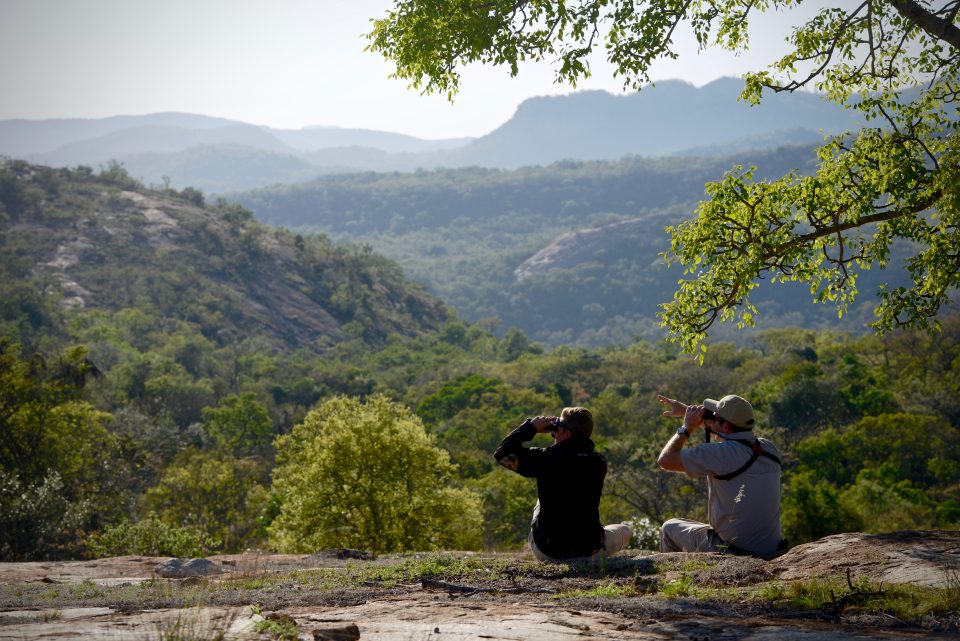
April 2026: As Earth Day on 22 April focuses global attention on the importance of protecting natural ecosystems, conversations around conservation often centre on national parks and large-scale environmental programmes. Yet across South Africa, smaller privately managed nature reserves are quietly playing an important role in restoring landscapes and expanding the country’s conservation footprint.
Set within the Crocodile Valley Conservancy near Nelspruit, Tomjachu Bush Retreat offers a compelling example of how conservation-led land management can rehabilitate ecosystems while supporting nature-based tourism.
Today the reserve spans 500 hectares of Lowveld wilderness, but the landscape has not always looked this way. When the property was originally established, the farm measured around 180 hectares, with large portions of the surrounding land previously used for intensive agriculture.
Over the past three decades, Tomjachu has gradually expanded the reserve while rehabilitating approximately 300 hectares of former farmland, where crops such as tobacco, tomatoes, tree nuts and strawberries were once cultivated. Through careful land management, these previously farmed areas have been restored to natural bushveld and grazing ecosystems, allowing indigenous vegetation to recover naturally.
“The transformation has been remarkable,” says Jack Fillery, Director of Tomjachu Bush Retreat. “Areas that were previously monoculture farmland have gradually returned to the natural biodiversity of the Lowveld landscape. Seeing indigenous grasses and vegetation return gives us real hope for what conservation-led land management can achieve.”
Rehabilitating farmland into functioning ecosystems requires ongoing work. One of the reserve’s major conservation priorities is controlling alien invasive plant species, including lantana, guava and pom pom weed, which compete aggressively with indigenous vegetation for water and space.
Tomjachu operates an ongoing invasive removal programme, supported in recent years by conservation volunteers who assist with clearing these species from the reserve.
The ecological recovery of the landscape has been accompanied by the return of wildlife. Over time the reserve has reintroduced several large mammal species, including giraffe, zebra, impala, nyala, kudu and wildebeest, helping restore a more balanced grazing ecosystem.
In addition, several species have naturally returned to the property as habitats recovered. These include warthog, bushbuck and red duiker, while camera traps have recorded sightings of more elusive wildlife such as serval, honey badger and even the occasional leopard passing through the reserve.
Birdlife has also flourished. To date, around 300 bird species have been recorded on the property, including sightings of secretary birds, black sparrowhawks and the threatened crowned eagle.
The return of wildlife is also mirrored by a resurgence in smaller species. Without the use of crop spraying and intensive farming practices, the reserve has seen the reappearance of a wide range of insects, amphibians and reptiles, signalling the recovery of a more complete and naturally functioning ecosystem.
Tomjachu has recently begun an ambitious biodiversity recording project aimed at cataloguing as many species of flora and fauna as possible on the reserve. Although the project is still in its early stages, close to 1,000 species have already been identified.
For Fillery, these developments reinforce the importance of smaller reserves in South Africa’s broader conservation landscape. “Earth Day is a reminder that conservation doesn’t only happen in national parks. Private reserves play an important role in protecting biodiversity, rehabilitating land and creating space for wildlife to return,” he says.
Environmental sustainability is also reflected in how the retreat operates. Approximately 60% of Tomjachu’s energy consumption is currently powered by solar, with plans to transition water heating systems to solar power in the coming years to further reduce reliance on grid energy.
Waste management has also been a focus over the past decade. Recyclable materials are sorted on site and transported to town for processing, while food waste is composted and used in the property’s gardens. Efforts to reduce single-use plastics have also significantly lowered the volume of non-recyclable waste generated by the property.
Where possible, the retreat also prioritises local procurement, sourcing many goods and services from nearby suppliers and businesses.
Looking ahead, Tomjachu forms part of a broader vision for landscape-scale conservation. The reserve is included in a proposal to establish a protected wildlife corridor linking the Barberton Valley to the Kruger National Park, creating a larger connected area of conserved land across the region.
For guests visiting the retreat, these conservation efforts are not hidden behind the scenes. Instead, they form part of the story shared with visitors exploring the reserve’s trails and landscapes. “When people see how quickly nature can recover when it’s given the chance, it creates a deeper appreciation for why protecting these landscapes matters,” says Fillery.
As Earth Day highlights the importance of environmental stewardship around the world, places like Tomjachu demonstrate how smaller conservation properties can play a meaningful role in restoring ecosystems, protecting biodiversity and reconnecting people with the natural world.
