
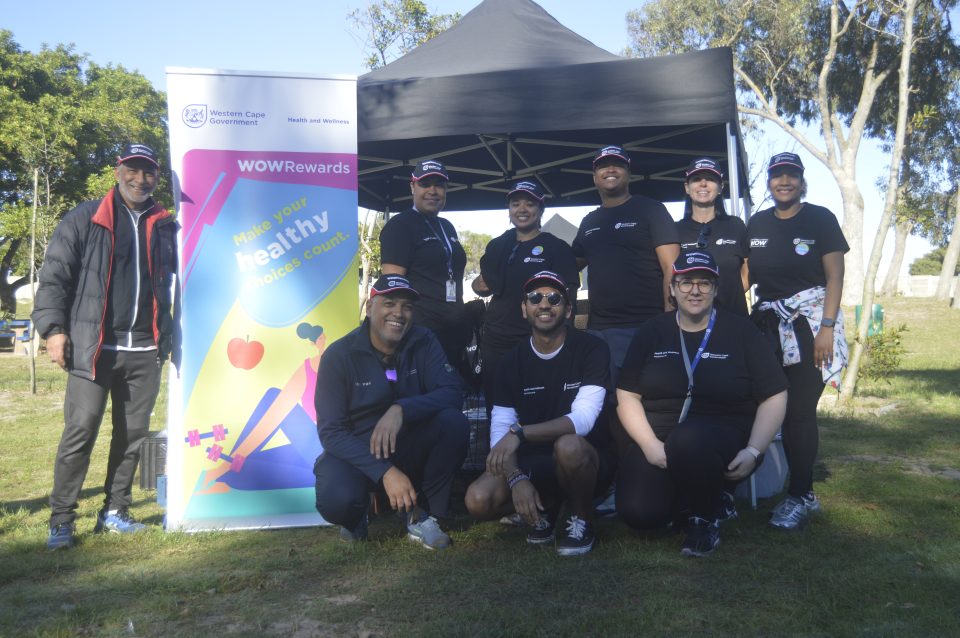
Western Cape residents using public healthcare can now earn small monthly rewards for healthier actions as a new pilot tests whether incentives strengthen preventative care habits.
The Western Cape Department of Health and Wellness has launched WOWRewards, which it describes as South Africa’s first rewards programme designed specifically for residents using the public healthcare system.
The long-term pilot begins in Westridge, Mitchells Plain, and will test whether modest financial incentives can encourage people to access preventative healthcare earlier, attend important appointments and maintain healthier routines.
The initiative introduces an approach commonly associated with private medical schemes into the public healthcare environment, where the majority of South Africans receive their healthcare.
Western Cape Minister of Health and Wellness Mireille Wenger said the programme would explore whether rewards can provide additional encouragement for residents already trying to make healthier choices.
“Prevention is better than cure, but making healthy choices is not always easy,” Wenger said.
“Through WOWRewards, we want to give people a little extra encouragement to take steps that can make a lasting difference to their health.”
The pilot is open to Mitchells Plain residents aged 18 and older who use public healthcare facilities.
It is expected to expand to Knysna in early 2027, allowing the department to test the programme in both metropolitan and rural settings.
Up to 2,000 active participants are expected to be enrolled across the two locations during the pilot period.
Participants will be able to earn rewards worth up to R100 each month by completing approved health-related activities relevant to their circumstances.
These activities include booking antenatal care before 20 weeks of pregnancy, attending scheduled pregnancy appointments, participating in approved exercise sessions and recognised parkrun events, and taking part in weight monitoring.
Parents and caregivers can also qualify through keeping children’s routine immunisations up to date.
People receiving treatment for chronic conditions can earn rewards by collecting scheduled medication parcels on time, while pregnancy and newborn-care learning modules also form part of the programme.
Once an activity has been verified, the relevant reward will be issued through the Zlto digital platform.
WOWRewards builds on the existing community networks of Western Cape on Wellness, working alongside Zlto and local partners to help residents register and participate.
The programme is designed around the idea that small, consistent actions can reduce longer-term health risks while helping residents engage with healthcare before conditions become more serious.
This preventative approach is particularly significant in communities where chronic diseases, delayed healthcare access and pressure on public facilities can create wider social and economic consequences.
Chief Operating Officer for the provincial Department of Health and Wellness Dr Saadiq Kariem said regular physical activity and healthier eating habits can play an important role in improving quality of life.
He said encouraging healthier behaviour could contribute to reducing chronic disease, improving mental wellbeing and supporting healthier weight management.
The pilot will also allow the department to gather evidence about whether financial incentives influence behaviour over time.
“This is a pilot, and we will learn as we go,” Wenger said.
“Over time, we want to understand whether these rewards help people build and sustain healthier habits.”
That evidence will be used to determine how the programme should be improved and whether it could eventually be expanded beyond its initial locations.
The initiative also introduces a wider conversation about how public healthcare systems can encourage prevention rather than responding only after people become ill.
Earlier antenatal care, childhood immunisation, chronic medication adherence and regular exercise can all contribute to stronger health outcomes while potentially reducing pressure on hospitals and clinics.
For residents, the programme adds a tangible incentive to behaviours that may already form part of recommended healthcare.
For the provincial health system, the pilot provides an opportunity to test whether relatively small rewards can support greater consistency in preventative care.
If the model proves effective, WOWRewards could provide useful evidence for how public healthcare systems encourage healthier behaviour while strengthening community participation in prevention.
The immediate focus, however, remains on Mitchells Plain and Knysna, where the programme will test whether making healthy choices count can help those choices become lasting habits.
