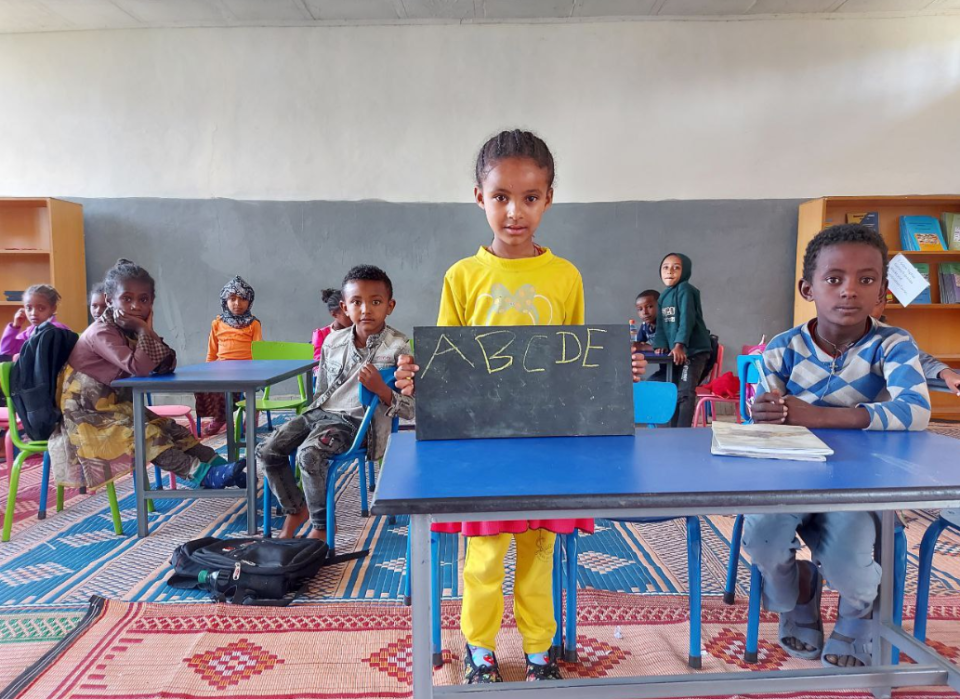
World Vision’s Unlock Literacy programme equipped 21,000 teachers and 200,000 parents during 2025, strengthening community-based literacy support for children across 36 countries.
Marking International Literacy Day, World Vision highlighted the scale and results of its Unlock Literacy approach, which connects foundational reading and writing with practical life skills, environmental learning and livelihoods.
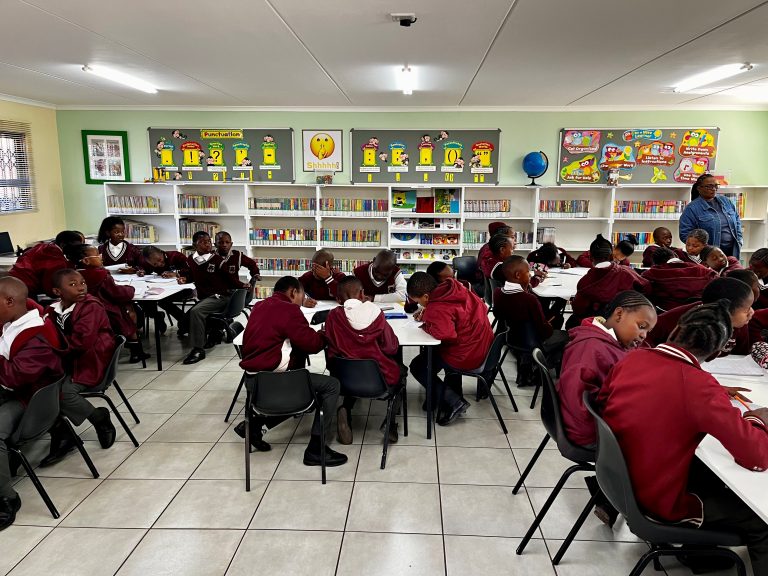
The programme works across schools, homes and communities, recognising that improving literacy requires support for children both inside and outside the classroom.
Rather than treating reading and writing as skills disconnected from everyday life, Unlock Literacy incorporates critical thinking, decision-making and communication. World Vision says this helps children understand how literacy can be used to solve problems, communicate effectively and make informed choices.
In 2025, the organisation supported school districts and communities by equipping 21,000 teachers and 200,000 parents across 36 countries to provide integrated literacy instruction.
Evidence from Uganda demonstrates the potential impact of the approach.
Reading comprehension among Grade 3 learners participating in the intervention increased from 20.2% to 75.2% between 2020 and 2024, while intervention schools outperformed matched comparison schools by more than 10 percentage points.
The model combines classroom teaching with community-based reading support and continued mentorship and coaching for teachers.
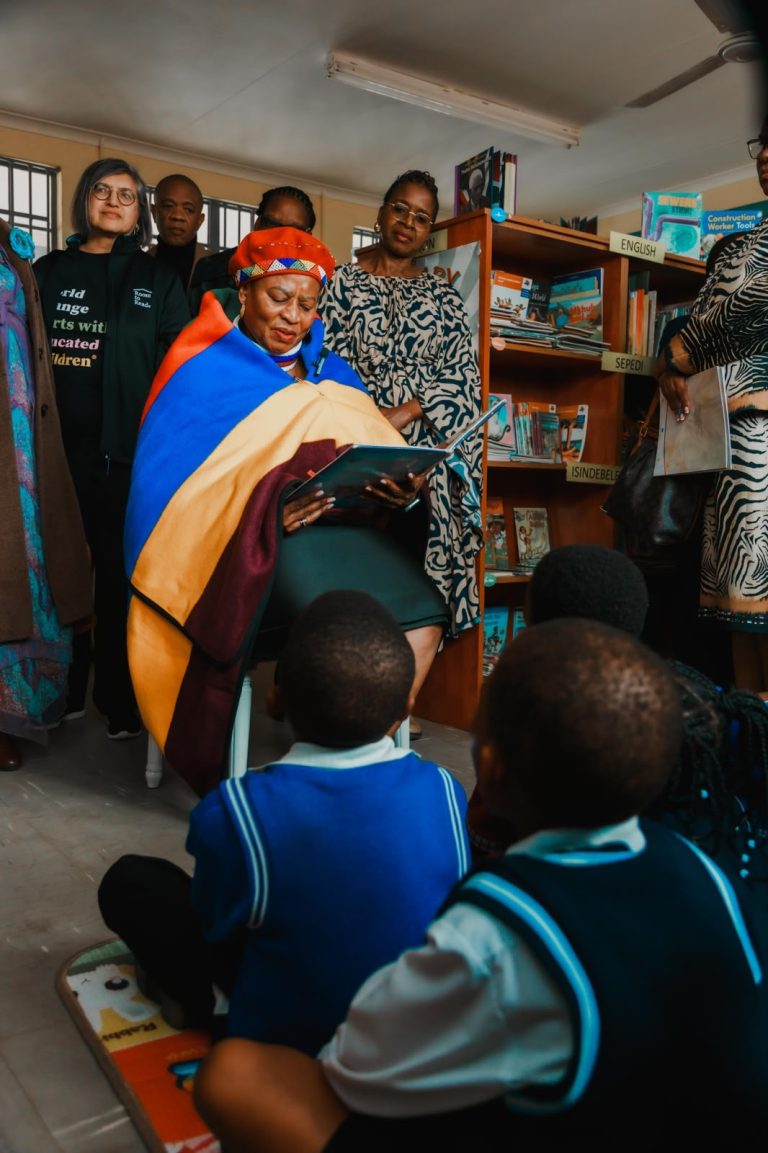
It is also being integrated into education systems. In Uganda, education officials have been trained to monitor instruction and support teachers, while parents, teachers, families and community language boards have helped develop local-language reading materials.
More than 2,000 School Management Committee members across 541 schools have also received training to help sustain literacy initiatives and mobilise resources locally.
The programme has become more cost-effective as it has developed. World Vision reports that the cost per child in the Uganda intervention declined by 47%, from US$30 to US$15.90.
Results have also been recorded in Indonesia, where the proportion of participating children able to read with comprehension increased from 32% in 2022 to 64% in 2025, exceeding the programme’s 53% target.
Importantly, the intervention appears to be producing changes that continue beyond the initial training.
A year after receiving training, 96% of participating teachers in Indonesia were still using Unlock Literacy methods. Eight village governments are also funding reading clubs and tutor incentives from their own budgets.
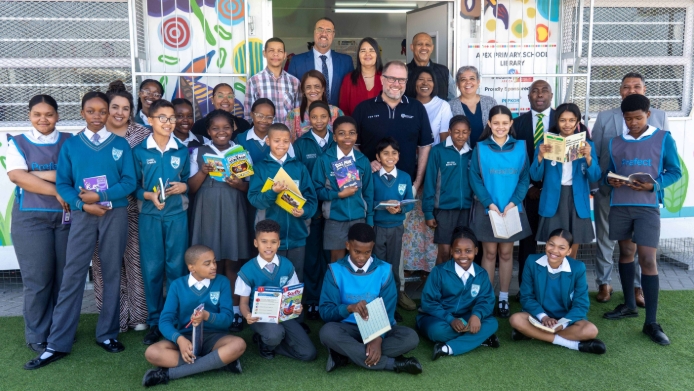
World Vision used International Literacy Day to call for continued collaboration between governments, education partners, communities and parents to strengthen literacy instruction.
By equipping teachers and parents while connecting classroom learning with community support, Unlock Literacy demonstrates how literacy interventions can extend beyond teaching children to read — building local capacity to support learning over the long term.
World Vision International – International Literacy Day 2026